Teeth Grinding at Night: Common Signs and When to Ask a Dentist
Many people experience teeth grinding at night without realizing it. Learn the common signs, possible causes, and when it might be time to consult a dentist for your dental wellness.

Understanding Teeth Grinding at Night
Grinding can range from barely noticeable jaw movements to loud, audible sounds detectable by a bed partner. The forces exerted during sleep bruxism are typically much greater than those used for normal chewing, which may explain why persistent grinding is associated with dental problems over time. Recognizing that this is a common concern is the first step toward safeguarding your oral health and seeking advice when necessary.
“Teeth grinding at night is common but often goes unnoticed until dental symptoms appear.”
Recognizing the Signs: Bruxism Symptoms
Typical bruxism symptoms to watch for include:
- Waking up with a sore jaw, face, or temples
- Morning headaches centered around the temples
- Tooth sensitivity to hot or cold foods and drinks
- Earaches or discomfort near the jaw
- Disturbed or restless sleep, sometimes noted by a partner
- Noticeable clicking, popping, or grinding sounds during the night
Bruxism symptoms often develop gradually, making them easy to overlook until dental damage or sensitivity occurs.
“A sore jaw or morning headaches can be signs of nighttime tooth grinding.”
Common Causes of Nighttime Tooth Grinding
Some causes are associated with increased risk, including:
- Emotional stress or anxiety
- Interrupted or poor-quality sleep
- Certain medications or substances, such as caffeine or alcohol
- Irregular bite alignment (malocclusion)
- Family history of bruxism
Stress and poor sleep are frequently associated with nighttime teeth grinding. Addressing these may help reduce the risk or severity.
“Multiple factors, including stress and sleep quality, may contribute to sleep bruxism.”
Jaw Soreness in the Morning: What It Might Mean
It’s worth noting that such soreness is not exclusive to teeth grinding; similar symptoms can result from other conditions, such as temporomandibular joint (TMJ) disorders or even sleeping positions. Persistent or severe jaw pain, especially when it interferes with eating or speaking, should prompt a conversation with your dentist to identify the underlying cause and discuss possible solutions.
Jaw soreness in the morning is a key tooth grinding sign but can also be linked to various jaw joint issues.
“Morning jaw discomfort is often a clue that teeth were clenched or ground overnight.”
Tooth Damage and Sensitivity as Tooth Grinding Signs
Tooth sensitivity often develops gradually due to the wearing away of protective enamel, making teeth more vulnerable to temperature and pressure changes. Visible wear, flat spots, or chips on the biting surfaces may be noticeable to you or your dentist during regular examinations. These changes are generally slow, so early attention can limit further damage and support long-term dental wellness.
- Increased sensitivity to hot or cold foods and drinks
- Visible flattening or wearing down of tooth surfaces
- Chipped or cracked teeth not caused by trauma
- Teeth feeling loose or unstable
A dentist may notice subtle damage from grinding even before you feel any discomfort.
“Tooth sensitivity and subtle wear are early clues of possible bruxism.”
When Is It Time to Consult a Dentist?
- You regularly experience morning jaw soreness or headaches
- Your teeth feel increasingly sensitive, chipped, or worn
- A partner hears grinding sounds or you wake up during the night with jaw pain
- Pain or dysfunction affects jaw movement or daily activities
Contact a dentist if symptoms are persistent, worsening, or impacting your daily life.
“Don’t ignore ongoing jaw pain or tooth changes—timely advice may help prevent further problems.”
How Dentists Assess and Support Nighttime Bruxism
Dentists may discuss practical strategies that match your individual situation. These might include reviewing stress management practices, sleep habits, or, when appropriate, considering the use of a mouth guard to shield teeth from further wear. It’s important to note that not every case requires a device—recommendations are always tailored based on your symptoms and the potential for tooth damage.
- Physical evaluation of jaw and teeth
- Assessment of tooth surface wear
- Discussion of health history and sleep habits
- Options for stress reduction and improved sleep
- Mouth guards considered in some cases
A dentist’s advice is individual; mouth guards are not needed or suitable in all situations.
“Dentists take a thorough, personalized approach to bruxism management.”
Daytime Impact: How Nighttime Teeth Grinding Affects Your Life
Even if symptoms seem minor, the cumulative impact on dental wellness, energy levels, and mood should not be underestimated. If you notice that teeth grinding is affecting day-to-day comfort or wellbeing, bringing this up with your dentist can be the first step toward practical support and improved quality of life.
- Daytime jaw or tooth discomfort
- Disrupted sleep and lower energy
- Difficulty chewing certain foods
- Irritability or difficulty concentrating
Persistent nighttime grinding may influence mood, sleep, and daily productivity.
“Nighttime bruxism can affect comfort, energy, and concentration well beyond sleep.”
Simple Approaches to Support Your Dental Wellness
Regular dental checkups are important in detecting early tooth grinding signs or damage and discussing personalized strategies with your dentist. These checkups enable early intervention and help protect the long-term health of your teeth and jaw.
- Practice stress reduction where possible
- Establish calming bedtime habits
- Limit caffeine and alcohol in the hours before sleep
- Schedule dental checkups as advised by your dentist
Lifestyle adjustments may help mild teeth grinding, but persistent symptoms should be discussed with a dental professional.
“Small changes—like better sleep routines—may help support oral health for some people.”
Exploring Dental Wellness as You Age
For more insight on how oral health evolves over the years and the importance of maintaining strong teeth and gums into later life, explore our guide to oral health and ageing.
- Changes in oral health can occur with age
- Medication or sleep issues may contribute to bruxism
- Dental reviews help support health across your lifespan
Adapting your dental wellness routine over time supports long-term oral comfort and confidence.
“Oral health needs may shift with age—staying informed is essential.”
Products Worth Exploring
Based on this article's topic, these are the wellness products we've reviewed that may be relevant. Each links to our independent review, where you can check product details before deciding.
Dental & Oral Wellness
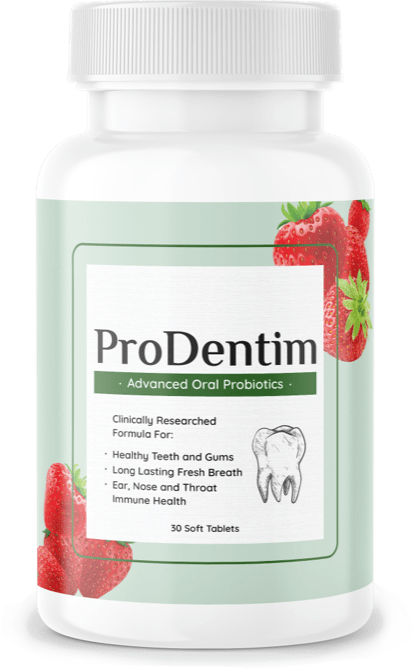
ProDentim
A probiotic-style oral wellness supplement. We look at how it's positioned, the claims, and what to weigh up before buying.
Read Our Review
Dental & Oral Wellness
GumAktiv
An independent look at GumAktiv, its positioning, intended use, available ingredient information, and key considerations.
Read Our Review
Dental & Oral Wellness
Synadentix
An independent look at Synadentix, its positioning, intended use, available ingredient information, and key considerations.
Read Our ReviewRelated buying guides
Ready to compare options? These guides break down products in this category using clearly explained criteria.
Affiliate disclosure: Some links on this page are affiliate links. If you purchase through one of these links, we may receive a commission at no additional cost to you. Affiliate relationships do not determine our editorial conclusions.
Health disclaimer: WellnessScopes provides general informational and educational content. This is not intended to diagnose, treat, cure or prevent any disease and should not replace professional medical advice. Consult a qualified healthcare professional regarding individual health concerns, medications or supplements.