Acidic Drinks and Teeth: What to Know About Enamel Wear
Learn how acidic drinks affect your teeth, the science behind enamel wear, and tips to help protect your dental health from erosion.
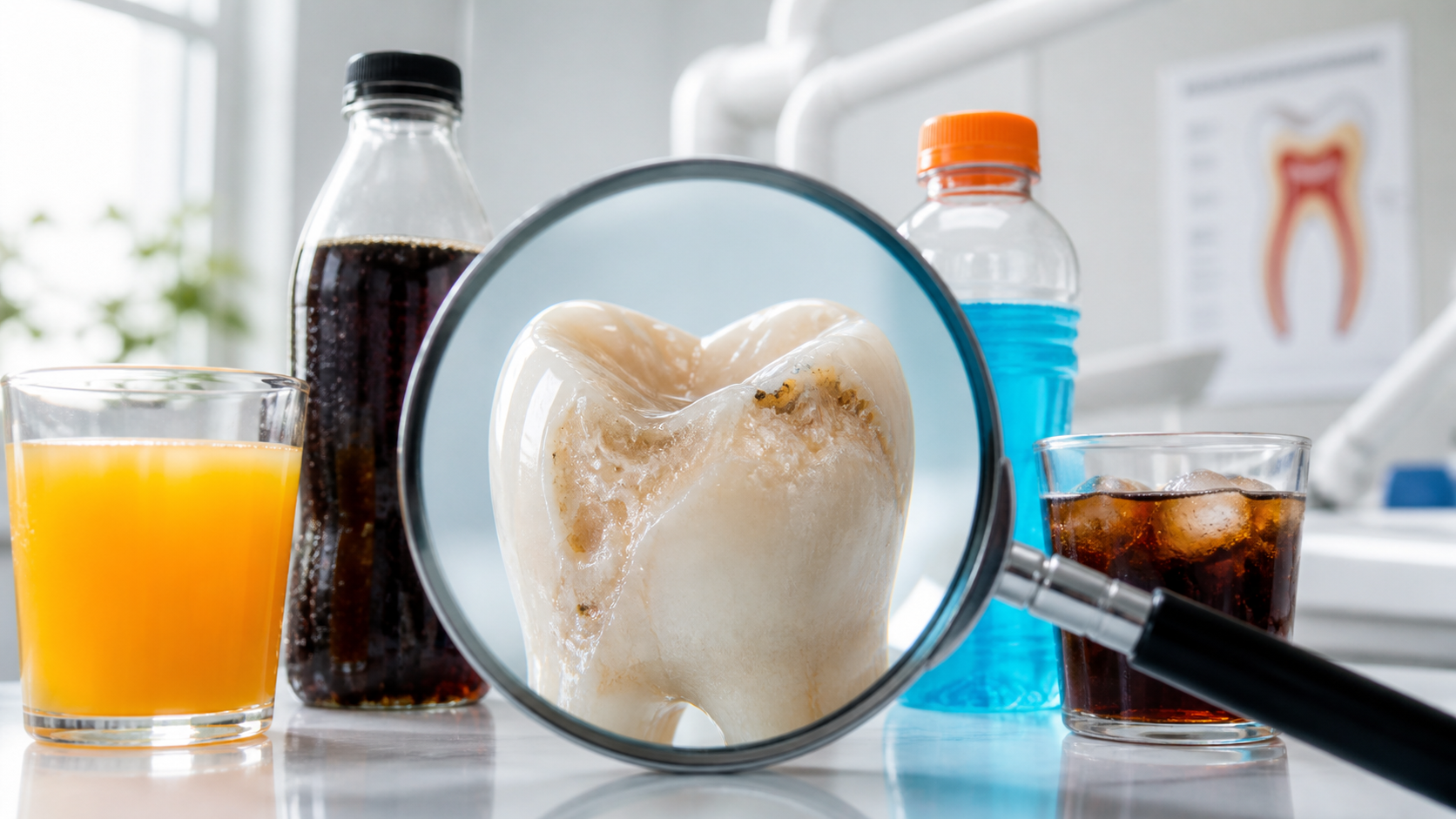
Understanding Acidic Drinks and Teeth
Many popular beverages, from soft drinks to citrus juices, are acidic—meaning they have a low pH. The relationship between acidic drinks and teeth is well-documented: frequent exposure to acidic beverages may contribute to the gradual wearing away of tooth enamel, the tooth's protective outer layer. This topic is essential for anyone aiming to maintain dental and oral wellness, as enamel loss can increase tooth sensitivity and make teeth more susceptible to cavities and other issues. If you regularly consume sodas, fruit juices, or energy drinks, understanding their effect on your teeth can help you make better choices for your oral health.
Acidic drinks include any beverage with a low pH, often below 5.5, such as sodas, fruit juices, sports and energy drinks, vinegars in drinks, and flavoured sparkling waters.
“Frequent exposure to acidic drinks can gradually wear down tooth enamel over time.”
What Is Dental Erosion?
Dental erosion is the loss of tooth enamel caused by direct contact with acids from foods and drinks. Unlike decay, which involves bacteria breaking down sugar to produce acid, dental erosion skips the bacterial step and is directly linked to acids themselves. Over time, repeated acid exposure can soften and gradually dissolve the mineral content in the enamel, leading to thinning, surface pitting, and increased vulnerability to sensitivity and decay. Recognizing the difference between tooth decay and erosion is important—both can harm your teeth but require distinct approaches for care and prevention.
- Dental erosion is caused by acids, not bacteria.
- It is different from tooth decay although both can damage teeth.
- Repeated acid contact leads to gradual enamel loss.
Dental erosion is often a slow process, making early detection and prevention critical for long-term oral health.
“Dental erosion directly results from repeated acid exposure, not bacterial action.”
How Acidic Drinks Weaken Enamel
When you consume acidic drinks, the acids in these beverages can temporarily soften your tooth enamel. This softening makes enamel more prone to physical wear and erosion, especially if you brush right after drinking a highly acidic beverage. If acid exposure is frequent or prolonged, the enamel may not have enough time to recover and re-harden, resulting in permanent enamel wear over months or years. Both sugary and sugar-free acidic drinks can have this effect; sugar content influences decay risk, but any acidic pH can erode enamel.
- Acidic drinks lower the pH in the mouth, softening enamel.
- Enamel takes time to re-harden after acid exposure.
- Both regular and sugar-free acidic drinks may contribute to enamel wear.
It's advisable to wait at least 30-60 minutes after having an acidic drink before brushing your teeth, giving enamel a chance to remineralize.
“Enamel that is regularly softened by acids has less chance to recover, making it vulnerable to permanent erosion.”
Common Acidic Soft Drinks and Dental Erosion Risks
Many drinks popular for their flavor and energizing effects can also pose a risk to your dental enamel due to their acidity. Examples include carbonated soft drinks, diet sodas, sports and energy drinks, fruit juices (especially citrus), and even some bottled iced teas. Some of these beverages combine low pH with sugar or artificial sweeteners, making them doubly concerning for tooth health. The acidity—not just the sugar—means that even sugar-free versions may contribute to enamel wear if consumed frequently. Recognizing these common dental erosion drinks allows you to make informed choices and limit exposure when possible.
- Carbonated soft drinks
- Fruit juices like orange, lemon, grapefruit
- Sports and energy drinks
- Even sugar-free or diet sodas
Acidity in beverages is measured by pH; a lower pH means greater potential for enamel erosion.
“Both regular and diet soft drinks can pose a risk to your enamel due to their acidity.”
Recognizing Signs of Enamel Wear
Enamel wear from acidic drinks can be gradual and hard to spot in its early stages. Common signs include increased tooth sensitivity to hot, cold, or sweet foods; teeth that appear more yellow (as underlying dentin becomes exposed); surface indentations or smoothness on previously rough areas; and greater tendency for chipping or cracking. If you notice any of these signs persisting or worsening, it’s important to discuss them with a dental professional. Early detection may allow for more conservative management and better long-term outcomes.
- Increased sensitivity to temperature or sweetness
- Teeth looking more yellow
- Small pits or indentations on tooth surfaces
- Chipping or thinning at tooth edges
Regular dental checkups are important for catching enamel erosion early, even before symptoms become noticeable.
“Tooth sensitivity or a visibly thinner edge may signal early enamel wear from acidic drink exposure.”
Factors That Influence Enamel Erosion
While acidic drinks and teeth are a key concern, several factors affect how quickly enamel erodes in different individuals. These include the number and frequency of acidic drinks consumed, the way drinks are sipped (holding in the mouth increases contact), underlying saliva production (which helps wash away acids and repair enamel), and existing oral hygiene or dental conditions. Genetics and age can also play a role. Understanding these factors can help you assess your personal risk and develop habits to protect your enamel.
- Frequency and total intake of acidic drinks
- Drinking style—sipping vs. using a straw
- Saliva production and flow rate
- Pre-existing enamel defects or thinning
- Acid reflux or frequent vomiting
Swishing or holding acidic drinks in your mouth extends acid exposure time; using a straw can help limit direct contact with teeth.
“Personal factors, from saliva flow to sipping habits, all shape how much acidic drinks impact your enamel.”
Smart Strategies to Minimize the Impact of Acidic Drinks
Balancing enjoyment of your favorite drinks with protecting your oral health involves mindful habits. Limiting how often acidic drinks are consumed, choosing water or milk as alternatives, and rinsing the mouth with water after drinking acids can all reduce the risk of enamel wear. Waiting before brushing your teeth after consuming an acidic beverage gives your enamel time to recover. Opting for a straw may also help by reducing direct acid contact with teeth. Making these small changes to your drinking habits can have a significant effect over time.
- Drink acidic beverages less frequently and with meals if possible.
- Rinse your mouth with water after acidic drinks.
- Use straws to help keep drinks away from teeth.
- Wait before brushing to allow enamel recovery.
- Choose non-acidic drinks more often.
Milk and plain water are tooth-friendly alternatives to acidic soft drinks, helping neutralize acids and promote remineralization.
“Simple changes—like rinsing with water or using a straw—may lower the risk of dental erosion from acidic drinks.”
Are Some Drinks Less Harmful Than Others?
Not all acidic beverages affect dental enamel equally. The degree of risk depends on the drink’s acidity (pH), how long it’s in contact with your teeth, and whether it’s consumed alone or with food. Drinks with a higher pH (closer to neutral), lower sugar content, and fewer artificial acids are often less erosive. However, repeated or prolonged exposure to even mildly acidic drinks can still contribute to enamel wear over time. Reading labels, being aware of drink ingredients, and moderating frequency are practical ways to assess and reduce risk.
- Drinks with higher pH are generally gentler on enamel.
- Consuming acidic drinks with food reduces enamel exposure.
- Some fruit juices are less acidic—always check the pH if available.
Sparkling water without added flavors or acids typically poses a lower risk to enamel than sweetened, flavored acidic drinks.
“Even among acidic beverages, some pose less risk than others—their pH, ingredients, and how you drink them all matter.”
Dental Wellness Tips and Diet Choices
A well-rounded approach to oral health includes not just managing acidic drink intake, but also paying attention to diet and lifestyle overall. Nutrient-rich foods, particularly those high in calcium and phosphate, can support enamel health. Drinking plenty of water, maintaining regular oral hygiene, and attending dental checkups at intervals recommended by your dental professional are all part of a good dental wellness routine. For more guidance on how what you eat and drink shapes oral health, see the article on diet and oral health in our WellnessScopes journal.
- Eat foods rich in calcium and phosphate for enamel support.
- Maintain regular brushing—wait after acidic drinks.
- Stay hydrated with water to help saliva production.
- Have dental checkups as advised for your needs.
Everyday dietary choices, not just drinks, play a major role in maintaining strong enamel and healthy teeth.
“Building a dental wellness routine goes beyond avoiding acidic drinks—healthy diet and consistent care make a difference.”
When to Seek Professional Dental Advice
For more information on diet and your oral health, visit this guide on food and teeth in the WellnessScopes journal. You can also explore our dental wellness resources for additional support.
- Unexplained or ongoing tooth sensitivity
- Visible enamel loss or changes in appearance
- Questions about drink choices and dental wellness
- Concerns about your personal risk
Professional dental advice is key to managing enamel wear and developing tailored dental wellness strategies.
“Early input from a dental professional can help protect your enamel and guide you in safer beverage choices.”
Products Worth Exploring
Based on this article's topic, these are the wellness products we've reviewed that may be relevant. Each links to our independent review, where you can check product details before deciding.
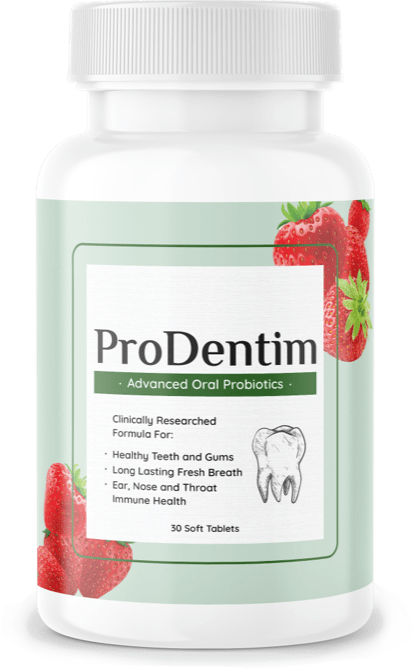
Dental & Oral Wellness
ProDentim
A probiotic-style oral wellness supplement. We look at how it's positioned, the claims, and what to weigh up before buying.
Read Our Review
Dental & Oral Wellness
GumAktiv
An independent look at GumAktiv, its positioning, intended use, available ingredient information, and key considerations.
Read Our Review
Dental & Oral Wellness
Synadentix
An independent look at Synadentix, its positioning, intended use, available ingredient information, and key considerations.
Read Our ReviewRelated buying guides
Ready to compare options? These guides break down products in this category using clearly explained criteria.
Affiliate disclosure: Some links on this page are affiliate links. If you purchase through one of these links, we may receive a commission at no additional cost to you. Affiliate relationships do not determine our editorial conclusions.
Health disclaimer: WellnessScopes provides general informational and educational content. This is not intended to diagnose, treat, cure or prevent any disease and should not replace professional medical advice. Consult a qualified healthcare professional regarding individual health concerns, medications or supplements.