How Diet Affects Your Teeth, Gums and Oral Microbiome
Explore the critical links between diet and oral health, including how food choices impact your teeth, gums, and oral microbiome. Learn about foods for gum health, the effects of sugar, and practical nutrition tips for lifelong dental wellness.

Introduction: The Connection Between Diet and Oral Health
When it comes to maintaining healthy teeth and gums, daily brushing and flossing often take center stage. However, what you eat may play a powerful role in your oral wellness journey as well. The evolving field of dental science now recognizes diet and oral health as closely intertwined—not only in preventing tooth decay, but also in supporting gum tissue and the balance of beneficial bacteria within your mouth. This article explores how nutrition influences the entire oral environment, examining the foods that may support dental wellness and those that could contribute to challenges over time. By understanding these connections, you can make informed choices that benefit both your smile and overall well-being.
“What you eat each day doesn’t just feed your body—it also feeds your mouth and the millions of bacteria that call it home.”
The Oral Microbiome: An Overlooked Piece of Dental Wellness
Beyond teeth and gums, the concept of the oral microbiome has shifted the way we think about oral health. The oral microbiome refers to the community of microorganisms—including bacteria, fungi, and viruses—that naturally live in your mouth. A balanced oral microbiome is continually being linked to healthier teeth and gums, while imbalances may be associated with cavities, gum disease, or persistent bad breath. Diet significantly influences this microbial environment. Eating patterns high in sugar and simple carbohydrates can tip the balance by fueling harmful bacteria, while a diet rich in whole foods, fiber, and certain micronutrients is being explored for its role in maintaining a diverse, balanced oral ecosystem.
The oral microbiome is unique to every person and can be influenced by both long-term and short-term dietary changes.
“A healthy oral microbiome is a foundation for strong teeth and resilient gums.”
How Food Choices Affect Teeth and Gums
The structure and composition of your diet can impact oral health in several key ways. Certain foods may contribute to tooth decay or gum inflammation, while others supply nutrients critical for repair and resilience. Foods rich in calcium and phosphorus, for example, help strengthen tooth enamel. Fresh fruits and vegetables can stimulate saliva production, which helps neutralize acids and wash away food particles. Conversely, diets high in added sugars or acidic foods may erode enamel, increase acid exposure, or create an environment where harmful bacteria can thrive. Texture matters, too—crunchy produce can help mechanically clean tooth surfaces, while sticky or highly processed foods tend to linger, raising the potential for plaque development.
- Calcium-rich foods like dairy products and leafy greens help support tooth structure.
- Vitamin C found in citrus fruits and peppers is important for gum tissue.
- Fibrous vegetables such as carrots and celery boost saliva flow and assist cleaning.
“Your everyday food choices contribute to either strengthening or slowly undermining your oral health.”
Sugar and Oral Health: A Cautionary Approach
Sugar’s role in oral health is well-documented. When you eat sugary foods and drinks, the bacteria in your mouth metabolize these sugars and produce acids as a byproduct. Over time, this acid can erode tooth enamel and contribute to the development of cavities. Sticky and frequent sugar consumption raises the risk, as it prolongs acid exposure and encourages plaque buildup. Even natural sugars, such as those in dried fruit or honey, can be contributing factors if consumed in excess. Learning to recognize hidden sugars in foods, spacing out sweet treats, and choosing water or unsweetened drinks can help reduce the impact of sugar on your oral health.
- Acid from sugar metabolism can erode enamel and lead to cavities.
- Frequent snacking on sweets prolongs acid attack on teeth.
- Sticky sugary foods are harder to remove and can increase plaque risk.
Lowering overall sugar intake—especially between meals—may support a healthier mouth and reduce the risk of decay.
“Sugar doesn’t just feed your cravings—it also feeds harmful oral bacteria that can undermine your dental wellness.”
Foods for Gum Health: What to Add to Your Diet
Gum health is shaped not just by oral hygiene, but also by what’s on your plate. Nutrient-rich foods may help support gum tissue recovery and resilience. Vitamin C is known for its role in maintaining healthy connective tissue—including that of the gums. Foods high in antioxidants and anti-inflammatory compounds, such as leafy greens, berries, and nuts, are being studied for their relationship with gum health. Omega-3 fatty acids, found in fatty fish and some plant sources, have been explored for their potential impact on inflammation. Including these diverse foods in your routine, along with regular oral hygiene practices, may help create a supportive environment for gum wellness.
- Leafy greens and bell peppers provide vitamin C for gum maintenance.
- Berries and nuts offer antioxidants that may reduce inflammation.
- Fatty fish supplies omega-3s, which are being researched for anti-inflammatory actions.
“Supporting gum health is not just about avoiding harm—it's also about nourishing your gums with the right foods.”
Tips for a Diet Supporting Teeth, Gums, and Oral Microbiome
- Focus on whole, unprocessed foods, such as fresh produce, whole grains, nuts, seeds, and lean proteins.
- Limit sugary snacks and drinks, especially between meals, to reduce acid stress on your teeth.
- Drink water throughout the day to help rinse away food particles and maintain hydration for optimal saliva production.
- Include calcium- and phosphorus-rich foods for enamel maintenance.
- Incorporate sources of vitamin C and antioxidants to support gum health.
- Eat fibrous vegetables and crunchy fruits, which help naturally clean teeth surfaces and promote a diverse oral microbiome.
- Remember that moderation is key—extremes in dieting or cutting out entire food groups can have unintended health effects.
Consult your dental or medical professional before making any major diet changes, especially if you have specific health concerns.
“A varied, balanced diet is a sustainable choice for maintaining oral and overall wellness.”
Conclusion: Nurturing Oral Wellness with Diet
Diet and oral health are partners in creating a strong foundation for lifelong dental wellness. While daily hygiene remains essential, nutrition provides critical support for healthy teeth, resilient gums, and a balanced oral microbiome. By becoming mindful of your food choices and understanding their broader effects, you move one step closer to a healthy mouth—and body. For those interested in exploring more, topics like the oral microbiome, gum wellness, and the role of vitamins in oral health offer deeper insight into this evolving field. Remember: true oral wellness goes beyond the brush, starting with what’s on your plate.
“Oral health starts with your plate—your daily food choices truly matter.”
Products Worth Exploring
Based on this article's topic, these are the wellness products we've reviewed that may be relevant. Each links to our independent review, where you can check product details before deciding.
Dental & Oral Wellness
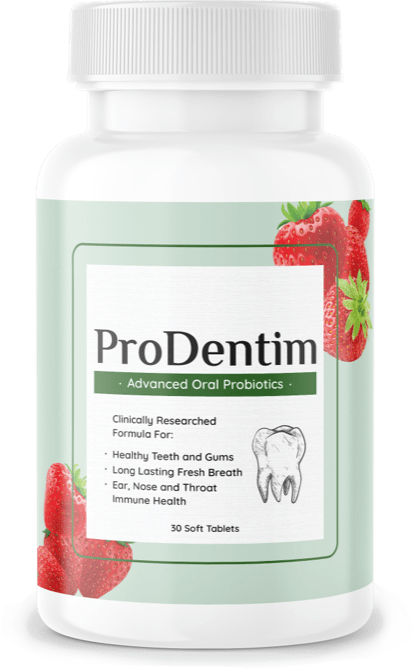
ProDentim
A probiotic-style oral wellness supplement. We look at how it's positioned, the claims, and what to weigh up before buying.
Read Our Review
Dental & Oral Wellness
GumAktiv
An independent look at GumAktiv, its positioning, intended use, available ingredient information, and key considerations.
Read Our Review
Dental & Oral Wellness
Synadentix
An independent look at Synadentix, its positioning, intended use, available ingredient information, and key considerations.
Read Our ReviewRelated buying guides
Ready to compare options? These guides break down products in this category using clearly explained criteria.
Affiliate disclosure: Some links on this page are affiliate links. If you purchase through one of these links, we may receive a commission at no additional cost to you. Affiliate relationships do not determine our editorial conclusions.
Health disclaimer: WellnessScopes provides general informational and educational content. This is not intended to diagnose, treat, cure or prevent any disease and should not replace professional medical advice. Consult a qualified healthcare professional regarding individual health concerns, medications or supplements.