Sugary Drinks and Teeth: Why Sipping Habits Matter
Understand how sugary drinks impact your teeth, why sipping habits matter, and practical ways to protect your smile through informed beverage choices.

Introduction: Sugary Drinks and Dental Health
Sugary drinks are a daily fixture for many, but their impact on dental health is often underestimated. Whether it’s soda, sweetened tea, fruit juice, energy drinks, or flavored waters, beverages high in sugar can have lasting effects on your teeth. The link between sugary drinks and teeth is not just about how much is consumed, but also how and when these drinks are enjoyed. NHS guidance advises limiting drinks high in sugar because sugar can damage teeth. Frequency and timing matter, particularly when sweet drinks are sipped between meals. Understanding the roles of frequency, acidity, and individual habits is critical to protecting your oral health while still enjoying your favorite beverages. This article explores why sipping habits matter, how sugar and acidity interact with tooth surfaces, and offers practical steps for a healthier smile.
“Frequent sipping of sugary drinks can increase the risk of tooth damage—timing and habits matter just as much as total sugar consumed.”
How Sugar Affects Teeth: The Basics
Importantly, it is not only the amount of sugar, but also the frequency and duration of contact that matter. Consuming sugary drinks throughout the day gives harmful bacteria regular access to sugars, rather than limiting contact to mealtimes, which may be less damaging. The process is slow and often invisible, making it easy to underestimate the harm from habitual sipping or snacking.
While brushing and flossing remain cornerstones of dental care, limiting intake of sugary drinks—and rethinking how and when you consume them—can help support overall oral health.
- Sugar is broken down by mouth bacteria to acids.
- These acids weaken and dissolve tooth enamel.
- More frequent and prolonged sugar exposure raises risk of damage.
- Decay develops over time and may not be obvious right away.
Tooth decay is linked to the frequent breakdown of sugar in the mouth, producing acids that damage enamel.
“It’s the regular, repeated exposure to sugar—especially between meals—that puts teeth at risk.”
The Impact of Sipping Habits on Sugar Exposure
For example, slowly sipping a sweetened beverage over a period of hours is particularly problematic, as each sip provides a new supply of sugar. If you choose a sugary drink, having it with a meal instead of sipping it repeatedly between meals can reduce the number of separate sugar exposures. Snacks and sips between meals make it harder for saliva to naturally wash away sugars and neutralize acids, increasing the potential harm.
Habits such as keeping a bottle of soda or juice near your desk and taking small sips throughout the day, or frequently drinking sweetened coffee or tea, can quietly raise your risk for tooth decay.
- Frequent sipping prolongs sugar exposure.
- Drinking with meals reduces harm compared to sipping between meals.
- Saliva helps to neutralize acids but needs time between exposures.
The more often you sip sugary drinks, the more opportunities bacteria have to produce tooth-damaging acids.
“Repeated sipping creates more opportunities for sugar exposure; consider keeping sugary drinks to mealtimes.”
Acidity vs. Sugar: Understanding the Differences
Acidic drinks can soften and erode tooth enamel directly, even if the drink is labelled as “sugar-free.” This means that both the sugar and the pH level of a beverage matter when evaluating its effect on dental health. Consuming drinks that are both sugary and acidic poses a double challenge for your teeth.
To minimize overall harm, consider both the sugar and acidity of your beverage choices. Opting for drinks that are low in both offers better support for oral wellness, while water remains a top option for hydration and tooth protection.
- Sugary drinks feed bacteria to produce acid.
- Acidic drinks can erode enamel even without sugar.
- Sugar and acidity together increase risk for dental problems.
Acidic drinks may harm enamel even if they’re labeled sugar-free; watch for both sugar and acidity.
“Both sugar and acidity in drinks play a role in weakening tooth enamel—choose beverages wisely.”
Popular Drinks for Teeth: What to Know
- Soda and fizzy drinks: Typically high in both sugar and acid. Regular or diet, both may contribute to enamel erosion.
- Fruit juices: Even 100% juice can be high in natural sugars and acidity. Drinking juice with meals and in moderation can help reduce risk.
- Flavored water: Some varieties contain added sugars and acids for taste. Always check labels.
- Sweetened teas and coffees: Added sugars can raise risk, especially if sipped slowly.
- Energy and sports drinks: Often combine high sugar with high acidity, increasing potential for harm.
- Plain milk and unsweetened plant-based drinks: These can be lower-sugar choices; check labels because formulations differ.
- Plain water: Remains the safest choice for teeth and overall hydration.
Choosing drinks with minimal sugar and acidity helps support better oral health. Awareness of what’s actually in your glass or bottle can help you make informed decisions.
- Soda, juice, and energy drinks may be high in both sugar and acidity.
- Diet versions can still be acidic.
- Plain milk and water are generally tooth-friendly; compare labels on plant-based drinks.
Water is a healthy everyday hydration choice. The NHS also counts milk and sugar-free drinks toward fluid intake.
“Many seemingly healthy drinks—including juices and flavored waters—can still impact dental health due to sugar or acidity.”
Practical Tips for Reducing Sugary Drink Harm
- Limit sugary drinks to mealtimes. This reduces the number of direct attacks on tooth enamel.
- Choose water whenever possible. Plain water not only hydrates but also helps rinse away food particles and sugars.
- Don’t sip sugary drinks throughout the day. Enjoy your beverage, then give your mouth a break between drinks.
- Choose a lower-sugar alternative. NHS guidance suggests water, lower-fat milk or sugar-free drinks as alternatives to sugary soft drinks.
- Read drink labels carefully. Even drinks marketed as healthy can include sugars or acids.
- Rinse with water after consuming sugary or acidic drinks. This can help clear some sugars and acids from the mouth.
Consider discussing your beverage habits with your dental professional, especially if you have concerns about tooth sensitivity or a history of decay.
- Keep sugary drink frequency low.
- Choose a lower-sugar drink such as water or lower-fat milk.
- Rinse with water after drinking sugary or acidic beverages.
Making small changes, like choosing water or limiting sipping habits, can help protect teeth from sugar damage.
“Rethinking beverage habits is one of the simplest ways to safeguard your smile.”
Water as the Everyday Choice for Hydration
Drinking water throughout the day helps rinse away food particles, sugars, and acids, supporting the natural self-cleaning mechanisms of the mouth. For those used to flavored or sweetened beverages, consider gradually substituting water for at least some of your daily drinks. Carry a reusable water bottle and keep it easily accessible to encourage this habit.
Tea, coffee and sugar-free drinks can also count toward daily fluids. Added sugar changes a drink’s sugar content, while some sugar-free fizzy drinks remain acidic; sweeteners themselves should not be confused with sugar. For hydration with dental health in mind, water remains a simple and effective choice.
- Plain water is best for hydration and tooth protection.
- Supports the mouth’s natural self-cleaning.
- Plain water contains no free sugars.
The NHS lists water as a healthy, inexpensive way to stay hydrated.
“Water remains the everyday champion for both hydration and dental wellness.”
Diet and Oral Health: Making Informed Choices
It’s useful to consider the entire context of your eating and drinking routine. Pairing sugary drinks with meals, rather than as standalone sips or snacks, may lower the potential for harm, partly because increased saliva flow during meals helps counteract acids. Substituting water or milk for sugary beverages further reduces risk.
For more information on the relationship between dietary habits and oral health, see our guidance on diet and oral health. Your dental professional can also provide tailored advice based on your unique needs and health status.
Sources: NHS water, drinks and hydration; NHS sugar and tooth decay; NHS sweeteners and dental erosion.
- Dietary habits influence oral health outcomes.
- Frequent sugary drinks elevate decay risk.
- Replacing sugary beverages with water or milk can help.
Looking at your broader diet and beverage habits gives a more complete picture of oral health risks and opportunities.
“Diet and sugar exposure from drinks both shape your dental health—small changes add up over time.”
Conclusion: Better Habits for a Healthier Smile
Opting for water as your primary drink, enjoying sugary beverages with meals instead of between them, and reading drink labels are all effective actions. While occasional sweet drinks can fit into a balanced lifestyle, attention to frequency and timing makes a major difference. For persistent dental symptoms or concerns, consult your dental professional for tailored guidance and support.
- Choose water regularly.
- Limit sugary drinks to mealtimes.
- Be aware of both sugar and acid content in beverages.
Every positive change in beverage choice and habit counts toward a healthier smile.
“Small shifts in day-to-day habits can have a lasting impact on your dental health.”
Products Worth Exploring
Based on this article's topic, these are the wellness products we've reviewed that may be relevant. Each links to our independent review, where you can check product details before deciding.
Dental & Oral Wellness
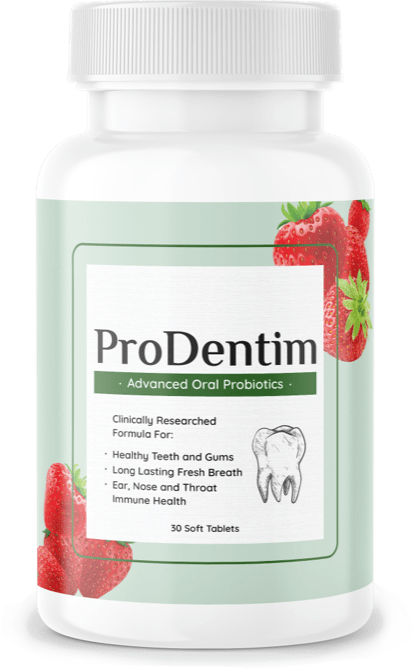
ProDentim
A probiotic-style oral wellness supplement. We look at how it's positioned, the claims, and what to weigh up before buying.
Read Our Review
Dental & Oral Wellness
GumAktiv
An independent look at GumAktiv, its positioning, intended use, available ingredient information, and key considerations.
Read Our Review
Dental & Oral Wellness
Synadentix
An independent look at Synadentix, its positioning, intended use, available ingredient information, and key considerations.
Read Our ReviewRelated buying guides
Ready to compare options? These guides break down products in this category using clearly explained criteria.
Affiliate disclosure: Some links on this page are affiliate links. If you purchase through one of these links, we may receive a commission at no additional cost to you. Affiliate relationships do not determine our editorial conclusions.
Health disclaimer: WellnessScopes provides general informational and educational content. This is not intended to diagnose, treat, cure or prevent any disease and should not replace professional medical advice. Consult a qualified healthcare professional regarding individual health concerns, medications or supplements.