Dried Fruit and Teeth: What to Know About Snacking and Timing
Explore the relationship between dried fruit and dental health, including practical advice on snacking, the impact of sticky snacks, and why enjoying dried fruit at mealtime matters for your teeth.

Understanding Dried Fruit: Nutrition and Popular Choices
Nutritionally, dried fruit contains similar benefits to fresh fruit, offering potassium, antioxidants, and dietary fiber. However, it also has a higher sugar content by volume, as the sugars become concentrated when the water is removed. While dried fruit is free from added sugars in its pure form, some packaged varieties may contain added sweeteners or preservatives, so checking labels can be helpful for those monitoring their intake.
Moderation remains important, as the dense sugar content and sticky texture have implications for dental health. Understanding how dried fruit interacts with teeth and oral health is essential for making informed snacking choices.
- Dried fruit is a nutritious, portable snack high in fiber and vitamins.
- Concentration during drying leads to higher sugar per serving than fresh fruit.
- Check labels for added sugars or preservatives.
- Dense texture and sugar content are key considerations for teeth.
Dried fruits like raisins and apricots have more sugar per bite than their fresh counterparts due to water loss during drying.
“Dried fruit delivers nutritional value but also poses unique challenges for teeth.”
How Dried Fruit Affects Teeth
Unlike some crunchy or watery snacks that help clear food debris and stimulate saliva flow, dried fruit can linger in the mouth, particularly around the molars and between teeth. Because of this, dried fruit poses a similar risk to other sticky snacks when it comes to dental wellness. However, it should be noted that not all fruit poses the same dental risk, and dried fruit can be included as part of a balanced diet with the right precautions.
- Sticky texture enables dried fruit to adhere to teeth.
- Sugar concentration can fuel bacteria and acid production.
- Stuck pieces may remain on teeth, especially in hard-to-clean spots.
- Dried fruit is riskier for teeth than most fresh fruit.
When dried fruit sticks to teeth, it provides a prolonged food source for bacteria, increasing the risk of acid attacks.
“The stickiness and sugar content of dried fruit can make it a challenging snack for dental health.”
The Role of Sugar and Acidity in Dried Fruit Dental Health
While most dried fruits are not highly acidic compared to certain citrus fruits, the main concern comes from the duration of sugar exposure rather than acidity levels alone. When sticky dried fruit clings to the teeth, it allows bacteria extended access to sugars, creating repeated acid attacks until the food is removed. Over time, this can contribute to the demineralization of enamel and potentially lead to tooth decay if not managed with good oral care habits.
- Oral bacteria feed on sugars, producing acids.
- Enamel erosion occurs with repeated acid exposure.
- Sugar exposure time matters more than acidity for most dried fruits.
- Managing timing and hygiene can reduce dental risks.
According to UK NHS guidance, minimizing how often teeth are exposed to sugar can lower the risk of decay.
“It's the frequency and duration of sugar contact with teeth—rather than just the amount—that poses a major risk.”
Sticky Snacks and Teeth: Why Texture Matters
Unlike snacks that dissolve quickly or are washed away by saliva, sticky foods tend to remain longer in the mouth. The longer they stay, the greater the opportunity for bacteria to use their sugars to produce acid. This is why dental professionals often refer to dried and sticky snacks as higher-risk choices for teeth when compared to less adhesive foods. Taking steps to limit the frequency and duration dried fruit remains in contact with teeth is especially important for dental health.
- Chewy texture increases how long dried fruit clings to teeth.
- Sticky food may be hard to remove with saliva alone.
- Prolonged contact increases risk of acid production and tooth decay.
- Even natural, unsweetened dried fruit can be problematic if eaten frequently.
Sticky snacks, including many dried fruits, are singled out by dental guidelines as a risk factor for cavities due to lingering sugar on teeth.
“Texture matters—sticky snacks give bacteria more time and sugar to work on your teeth.”
Why Timing Matters: Dried Fruit With Meals vs. Snacks
During meals, increased saliva production helps rinse away food particles and dilute acids. Foods eaten alongside dried fruit—such as whole grains, dairy, or fresh vegetables—may also help “scrub” surfaces and reduce the dried fruit’s ability to stick to teeth. By comparison, eating dried fruit alone as a snack gives sugars more time to interact with the mouth, creating more opportunities for bacteria to generate acid. Choosing mealtime over snack time for dried fruit is a practical step for better dental health.
- Eating dried fruit with meals lowers risk compared to snacking between meals.
- Saliva flow is greatest during meals, helping protect teeth.
- Combining dried fruit with other foods may reduce stickiness on teeth.
- Frequent dried fruit snacking increases exposure to sugars.
NHS UK guidance advises having dried fruit with meals, not as standalone snacks, to minimize sugar exposure for teeth.
“Enjoying dried fruit at mealtimes instead of between-meal snacks can help support oral health.”
Practical Strategies for Enjoying Dried Fruit Safely
• Eat dried fruit during main meals rather than isolated snacks.
• Pair dried fruit with foods that are less likely to stick, such as yogurt or cheese.
• Drink water with and after eating dried fruit to help rinse away sugars.
• Brush teeth at least twice a day with fluoride toothpaste, and especially after meals containing sticky foods.
• Consider flossing or using interdental brushes to remove stuck pieces.
These approaches help minimize how long sugars remain near the teeth, supporting overall oral wellbeing without eliminating dried fruit from your diet.
- Prioritize dried fruit as part of meals, not snacks.
- Partner with rinsing or saliva-promoting foods (e.g., cheese, fresh veggies).
- Stay hydrated to help clear sugars after eating.
- Maintain a consistent oral hygiene routine.
Good dental hygiene and smart timing allow you to keep dried fruit in a balanced diet without extra dental risk.
“Simple adjustments—like meal timing and rinsing—can keep dried fruit a flavorful, safe part of your routine.”
Alternatives and Moderation: Building a Tooth-Friendly Diet
When opting for dried fruit, portion control is key—small servings can provide nutritional benefits without excess sugar lingering in the mouth. Avoid consuming multiple servings throughout the day. Exploring a variety of snacks, including crunchy vegetables, nuts, plain yogurt, and cheese, can help balance your diet while being kind to your teeth. Remember, no single food is solely responsible for dental health, and a range of nutrient-rich options supports both oral and overall wellbeing.
- Fresh fruit offers vitamins and hydration with less risk for teeth.
- Moderation limits cumulative sugar exposure.
- Include tooth-friendly snacks like vegetables, nuts, and dairy.
- Balance is more important than strict avoidance.
Dental health is best supported by variety and moderation, not by eliminating whole food groups.
“A tooth-friendly diet includes plenty of variety and keeps dried fruit as an occasional treat, especially at mealtimes.”
Dental Hygiene Tips for Fruit Lovers
If you eat dried fruit at a meal, wait at least 30 minutes before brushing to allow enamel softened by acids to re-harden. Rinsing the mouth with water immediately after meals can also help clear away sugars. Regular dental checkups at intervals recommended by your dental professional ensure that any issues are caught early and advice is tailored to your needs.
- Brush with fluoride toothpaste twice daily.
- Floss or use interdental brushes regularly.
- Wait 30 minutes after acidic or sugary foods to brush.
- Rinse with water to help remove leftover sugars.
Professional dental advice can help fine-tune your oral care routine for your individual needs.
“Good hygiene and a little timing awareness make it possible to enjoy dried fruit as part of a dental-friendly lifestyle.”
When to Seek Professional Dental Guidance
Discuss your diet, including how and when you consume dried fruit, during routine dental appointments. A dental professional can help you create a personalized plan that considers your oral health history and lifestyle. Early guidance and regular monitoring support both enjoyment of nutrient-rich foods and lasting dental health.
- Professional advice tailors guidance to your unique needs.
- Persistent symptoms warrant a dental visit.
- Discuss your specific diet and snacking habits during checkups.
- Early guidance may help catch issues before they worsen.
Dental professionals can help optimize your oral health routine to fit your lifestyle, including your nutritional preferences.
“If you’re concerned about how dried or sticky foods may affect your teeth, don’t hesitate to consult your dental professional.”
Summary and Key Takeaways
If you love dried fruit, focus on strategies such as pairing it with other foods, drinking water after eating, and keeping up with daily brushing and flossing. When in doubt, or if you notice changes in your dental health, a professional can offer individualized advice. For additional insight into the relationship between dietary habits and oral health, explore our guide on diet and oral health.
- Dried fruit is nutritious but challenging for dental health.
- Eat with meals, limit snacks, and maintain good hygiene.
- Professional guidance is valuable for personalized dental care.
- Balance and informed choices support long-term oral wellness.
Visit the Dental & Oral Wellness category for more on tooth-friendly foods, habits, and nutrition.
“Being mindful of how, when, and how much dried fruit you eat can help keep your smile healthy and bright.”
Products Worth Exploring
Based on this article's topic, these are the wellness products we've reviewed that may be relevant. Each links to our independent review, where you can check product details before deciding.
Dental & Oral Wellness
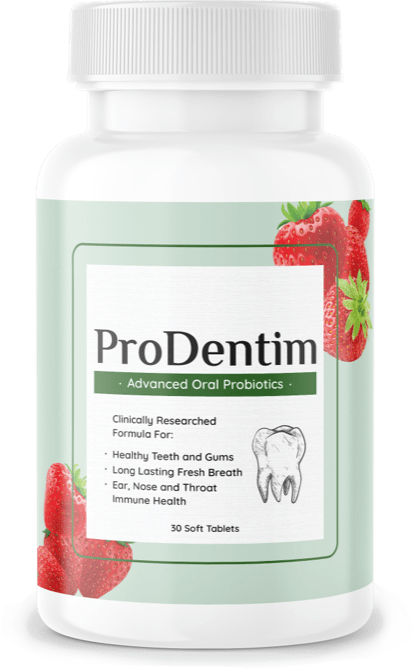
ProDentim
A probiotic-style oral wellness supplement. We look at how it's positioned, the claims, and what to weigh up before buying.
Read Our Review
Dental & Oral Wellness
GumAktiv
An independent look at GumAktiv, its positioning, intended use, available ingredient information, and key considerations.
Read Our Review
Dental & Oral Wellness
Synadentix
An independent look at Synadentix, its positioning, intended use, available ingredient information, and key considerations.
Read Our ReviewRelated buying guides
Ready to compare options? These guides break down products in this category using clearly explained criteria.
Affiliate disclosure: Some links on this page are affiliate links. If you purchase through one of these links, we may receive a commission at no additional cost to you. Affiliate relationships do not determine our editorial conclusions.
Health disclaimer: WellnessScopes provides general informational and educational content. This is not intended to diagnose, treat, cure or prevent any disease and should not replace professional medical advice. Consult a qualified healthcare professional regarding individual health concerns, medications or supplements.