How Ageing Can Affect Teeth, Gums and the Mouth
Explore how ageing impacts oral health, including changes in teeth, gums, and the mouth, and discover supportive strategies for maintaining oral wellness throughout later life.
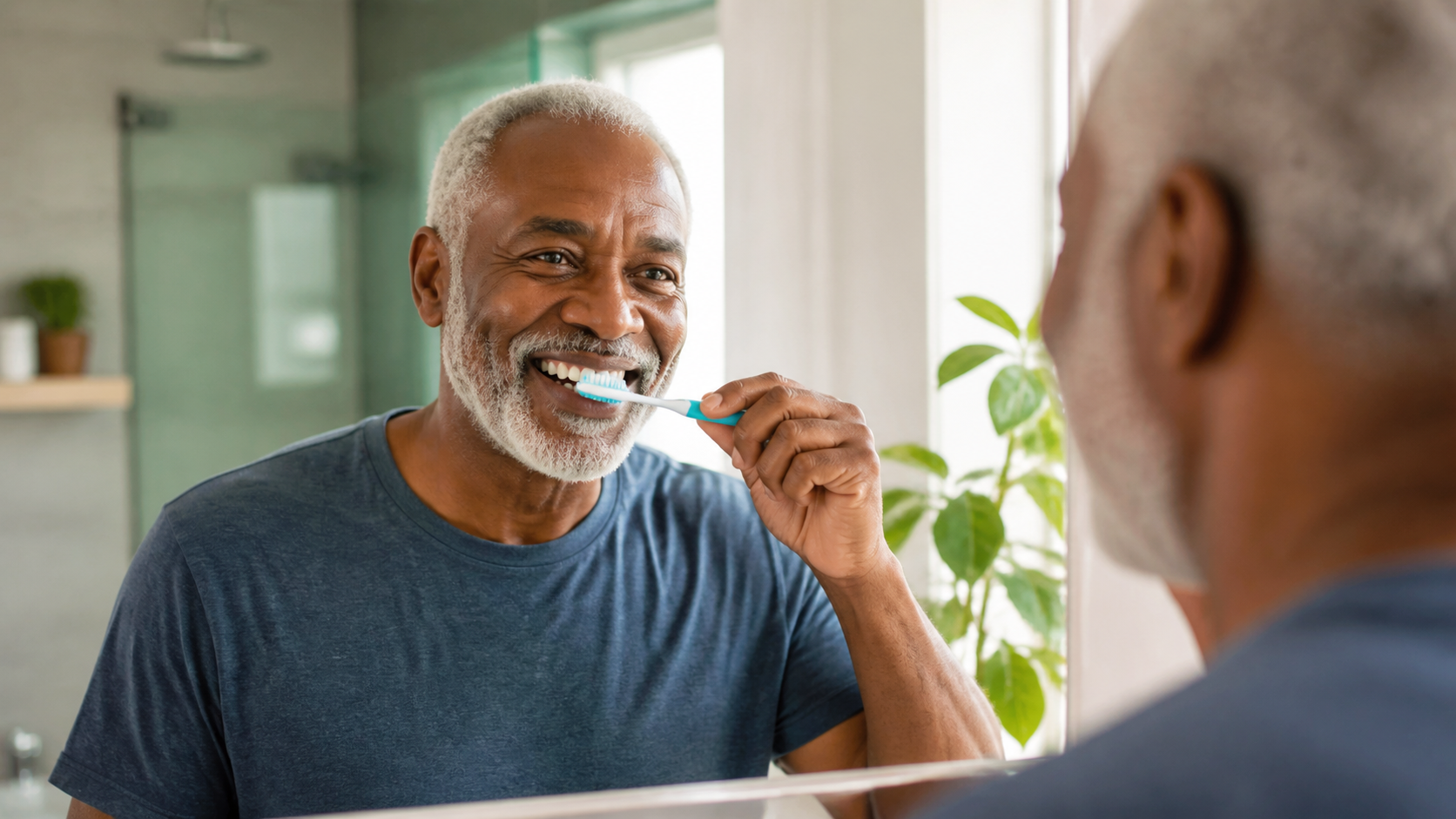
Understanding Oral Health and Ageing
The health of the mouth impacts eating, speaking, social interactions, and overall quality of life. Keeping up with oral hygiene, making informed choices, and addressing concerns early may support healthier teeth and gums as we grow older.
Oral health is not separate from general health—the two often influence each other, especially as we age.
“Maintaining oral health can make a significant difference in comfort and quality of life as we age.”
Common Changes in Ageing Teeth
Teeth can also shift with age, sometimes due to bone loss in the jaw or changes in bite alignment. Dental restorations such as fillings, crowns, and bridges may need more frequent monitoring as they also age and wear.
Tooth root surfaces may be exposed if gums recede, increasing risk for tooth sensitivity or decay at the roots. Changes in dexterity can also impact a person's ability to maintain daily oral hygiene routines.
- Thinning enamel can increase tooth sensitivity and risk of decay.
- Teeth may shift or become misaligned over the years.
- Old dental work might require repair or replacement.
- Exposed roots may lead to increased dental problems.
Teeth do not necessarily have to be lost as part of normal ageing—many older adults maintain their natural teeth with attentive care.
“Enamel loss and exposed roots are common but manageable changes in ageing teeth.”
How Ageing Affects Gum Health
Inflammation of the gums (gingivitis) and more advanced gum disease (periodontitis) can also become more common or persist into later life. This can be linked to long-term plaque accumulation, reduced immune responses, and sometimes underlying health conditions. Certain medications can contribute to changes in gum health, making regular oral health checks particularly valuable for older adults.
Maintaining gum health with age may help protect against tooth loss and support overall wellness. Good oral hygiene habits and early attention to any changes in gums can help slow down or offset these effects.
- Gum recession may increase with advancing age.
- Gum disease can be more likely or difficult to manage in later years.
- Medications and systemic health impact gum health.
Healthy gums are not just about oral appearance—gum wellness is linked with overall wellbeing.
“Gum health often changes with age, but early care and attention can help lessen potential impacts.”
Dry Mouth in Older Adults
Saliva plays a key role in protecting the mouth: it helps wash away food particles, neutralize acids, and limit the buildup of harmful bacteria. When saliva is insufficient, the risk of tooth decay, gum issues, and discomfort increases. Common signs of dry mouth include a sticky or burning sensation, trouble swallowing, or persistent thirst.
Managing dry mouth in older adults involves staying well-hydrated, considering saliva substitutes if recommended by a healthcare provider, and maintaining diligent oral hygiene. If dry mouth persists or causes problems with eating, speaking, or denture use, professional advice is important.
- Dry mouth is common in older adults, often related to medications or health conditions.
- Reduced saliva increases risk for cavities and gum problems.
- Hydration and possible saliva substitutes can help manage symptoms.
Persistent dry mouth should be assessed by a dental professional, as it may signal underlying issues or medication side effects.
“Dry mouth in older adults can impact eating, speaking, and comfort, but proper management may help reduce discomfort.”
Supporting Oral Health as We Age
Nutritional choices can also play a part. A balanced diet that is rich in vitamins and low in added sugars may promote healthier teeth and gums. Staying well-hydrated supports oral health and may help alleviate mild dry mouth.
If it becomes challenging to maintain oral hygiene due to changes in dexterity or mobility, adaptive toothbrushes and flossing tools can make daily care easier. Dental professionals can offer tailored advice for at-home care, mouth rinses, or tools suited to specific needs.
- Adapt oral hygiene routines to physical needs or limitations.
- A healthy diet can support oral well-being.
- Use specialized dental tools as recommended by professionals.
As needs change, consult with dental professionals for personalized advice and new techniques for oral care.
“Adjusting oral care routines over time helps support lasting dental wellness.”
When to Seek Professional Dental Care
Professional evaluation is important if you notice persistent tooth pain, gum bleeding, swelling, sores that do not heal, sudden changes in bite, or difficulties with dentures. Timely care may reduce the risk of progression and improve comfort and function.
- See a dentist if pain, bleeding, or swelling develops.
- Unusual sores or persistent changes in the mouth should be professionally evaluated.
- Loose teeth or problems with dental appliances warrant prompt attention.
Early intervention for oral changes can help maintain comfort, function, and quality of life.
“Professional dental care can address issues before they affect eating, speaking, or well-being.”
Maintaining Quality of Life Through Oral Health
Support for oral health can come from healthcare providers, family, or caregivers, especially when managing other chronic conditions or medications. Open communication with dental professionals allows for adaptations as oral health needs evolve over time.
By understanding the impact of oral health and ageing, individuals—and those who support them—can take steps to help preserve function and overall wellness.
- Oral health is linked to overall quality of life in older adults.
- Managing oral issues supports nutrition, speech, and social enjoyment.
- Ongoing support may involve family, caregivers, and dental professionals.
Oral well-being helps promote independence and confidence as we age.
“Supporting oral health contributes to vibrant, engaged living well into older adulthood.”
Products Worth Exploring
Based on this article's topic, these are the wellness products we've reviewed that may be relevant. Each links to our independent review, where you can check product details before deciding.
Dental & Oral Wellness
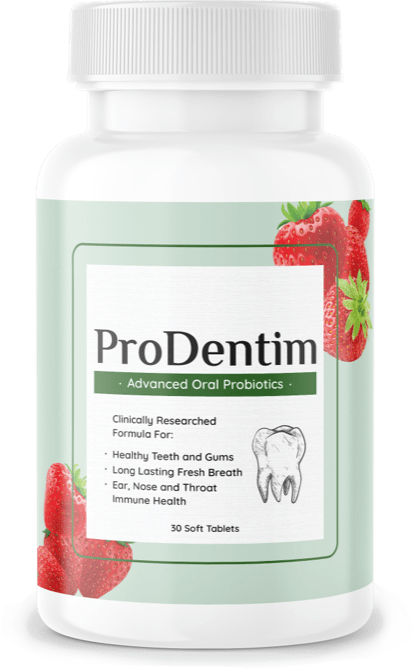
ProDentim
A probiotic-style oral wellness supplement. We look at how it's positioned, the claims, and what to weigh up before buying.
Read Our Review
Dental & Oral Wellness
GumAktiv
An independent look at GumAktiv, its positioning, intended use, available ingredient information, and key considerations.
Read Our Review
Dental & Oral Wellness
Synadentix
An independent look at Synadentix, its positioning, intended use, available ingredient information, and key considerations.
Read Our ReviewRelated buying guides
Ready to compare options? These guides break down products in this category using clearly explained criteria.
Affiliate disclosure: Some links on this page are affiliate links. If you purchase through one of these links, we may receive a commission at no additional cost to you. Affiliate relationships do not determine our editorial conclusions.
Health disclaimer: WellnessScopes provides general informational and educational content. This is not intended to diagnose, treat, cure or prevent any disease and should not replace professional medical advice. Consult a qualified healthcare professional regarding individual health concerns, medications or supplements.