Dry Mouth: Common Causes, Everyday Strategies and When to Seek Advice
Discover what causes dry mouth, its impact on oral health, practical remedies for day and night, and when to consult a dental professional.

Understanding Dry Mouth and Its Importance
Dry mouth, also known as xerostomia, is a condition where saliva production decreases, leading to a sensation of oral dryness. While occasional mild dryness can be harmless, persistent or severe dry mouth can impact oral comfort, speech, eating, and even dental health. Saliva is essential for maintaining a healthy mouth, as it helps cleanse away food particles, neutralize acids, and support the natural balance of bacteria in the oral environment. Disruptions to saliva flow can affect oral well-being and everyday quality of life, so understanding the causes and strategies for managing dry mouth is important for overall dental wellness.
Xerostomia is the clinical term for dry mouth and can have short-term or ongoing effects depending on the underlying factors.
“Saliva plays a key role in protecting the mouth from irritation and supporting oral comfort.”
Common Causes of Dry Mouth (Xerostomia)
There are many potential reasons why someone may experience dry mouth. Some of the most common causes include:
- Medications: Many prescription and over-the-counter medications, such as antihistamines, antidepressants, pain relievers, and certain blood pressure drugs, may reduce saliva production as a side effect.
- Health Conditions: Various health conditions, including diabetes, Sjögren’s syndrome, and some autoimmune disorders, are associated with symptoms of dry mouth.
- Dehydration: Not drinking enough fluids or losing excessive fluids through sweating, fever, or illness can lead to temporary dry mouth.
- Radiation Therapy: Treatments targeting the head and neck can impact the salivary glands, sometimes causing lasting effects.
- Lifestyle Factors: Smoking or chewing tobacco, drinking alcohol, and excessive caffeine intake can all contribute to oral dryness.
- Age: Although dry mouth is not an inevitable part of ageing, its likelihood may increase due to medication use or health changes.
It’s important to recognize that experiencing dry mouth does not automatically mean there is a serious underlying health condition, but understanding the potential causes can guide everyday preventive steps.
- Medications such as antihistamines and antidepressants may reduce saliva.
- Certain health conditions can be associated with persistent dry mouth.
- Lifestyle habits like smoking and alcohol use increase risk.
- Age-related changes and medical treatments can contribute.
Dry mouth causes can range from temporary dehydration to ongoing health conditions or medication use.
“Many cases of dry mouth are linked to either lifestyle factors or medications rather than serious illness.”
Dry Mouth at Night: Why Symptoms Worsen
Many people notice that their dry mouth symptoms become more pronounced at night or upon waking. During sleep, our bodies naturally produce less saliva, which can intensify feelings of dryness. Mouth breathing (due to nasal congestion, sleep apnea, or habit) often worsens dryness by allowing more air to pass through the oral cavity, evaporating saliva.
Certain environments, such as heated bedrooms or the presence of a fan, can further reduce humidity and aggravate symptoms of dry mouth at night. Addressing underlying behaviors and optimizing the sleeping environment may help manage discomfort and support oral moisture overnight.
- Saliva flow naturally decreases at night.
- Mouth breathing and low humidity increase nighttime dryness.
- Nighttime dryness can disturb sleep and affect morning comfort.
If dry mouth at night frequently disrupts your sleep or oral comfort, consider practical remedies and consult a dental professional if symptoms persist.
“Nighttime dry mouth can be particularly bothersome and may influence sleep quality.”
Everyday Strategies and Remedies for Dry Mouth
For mild or occasional dry mouth, several self-care strategies and remedies may offer relief:
- Stay Hydrated: Drink small sips of water throughout the day and especially before bed. Avoid sugary, acidic, or caffeinated drinks that may worsen dryness.
- Moisturize the Mouth: Sugar-free lozenges, chewing gum containing xylitol, or over-the-counter oral moisturizers may stimulate saliva flow or provide temporary comfort.
- Humidify Your Surroundings: Using a bedside humidifier can help increase ambient moisture, particularly at night.
- Maintain Gentle Oral Hygiene: Use non-alcoholic mouthwashes and brush with fluoride toothpaste to protect teeth and gums without further drying the mouth.
- Avoid Irritants: Limit or avoid tobacco, alcohol, and spicy or salty foods that can dry the mouth further.
It’s important to remember that these dry mouth remedies may help manage symptoms but are not a substitute for seeking professional assessment if symptoms are ongoing or significantly affecting quality of life.
- Drink water frequently, especially before and after sleeping.
- Use sugar-free gum or lozenges with xylitol to stimulate saliva.
- Try a humidifier for drier environments or bedrooms.
- Choose toothpaste and mouth rinses without alcohol.
Self-care measures may improve comfort in many cases, but persistent dry mouth should be discussed with a dental or healthcare professional.
“Simple changes in hydration and oral care can make a noticeable difference for many people experiencing mild dry mouth.”
Saliva and Oral Health: Why Moisture Matters
Saliva does much more than simply provide moisture—it is critical to several aspects of oral health. Saliva helps cleanse teeth and gums by washing away food debris and bacteria. It contains minerals like calcium and phosphate, which support tooth enamel, and enzymes that begin the digestion process.
A reduction in saliva may make individuals more prone to cavities, gum irritation, oral infections, and issues with taste, speech, or swallowing. Recognizing the broader role of saliva can encourage proactive steps to protect oral health when dry mouth occurs.
- Saliva assists in remineralizing tooth enamel.
- A balanced saliva flow helps limit plaque and bacteria buildup.
- Insufficient saliva increases risks of irritation and dental problems.
Protecting saliva oral health is central to safeguarding teeth and gums against decay and discomfort.
“Saliva is a frontline defender for the mouth, aiding in everything from dental protection to everyday comfort.”
When to Seek Advice from a Dental Professional
If dry mouth symptoms are persistent, worsen, or are accompanied by discomfort, difficulty eating, changes in taste, or sores, discussing these symptoms with a dental or healthcare professional is important. Persistent xerostomia can be a sign of underlying medical conditions, medication side effects, or may require tailored guidance and care.
A dentist can provide support, suggest further tests if needed, or recommend specific products or changes in oral hygiene routines. Early conversation can prevent potential complications such as tooth decay, gum problems, or infections linked to insufficient saliva.
- Seek advice if dryness is constant or disrupts daily life.
- Professional assessment is important when home remedies are not effective.
- Dentists can offer targeted advice and care based on individual needs.
Professional evaluation may help address underlying issues and protect oral health in cases of severe or ongoing dry mouth.
“Don’t wait for complications—consult a professional if dry mouth is frequent or interfering with daily comfort.”
Summary: Managing Dry Mouth with Knowledge
Dry mouth, or xerostomia, can be bothersome but is often manageable with practical self-care and awareness of the underlying causes. Paying attention to hydration, oral hygiene, and lifestyle changes may address many cases of mild dryness. However, if symptoms persist, interfere with daily living, or raise concerns, timely professional advice is always recommended.
Understanding the link between saliva and oral health empowers individuals to take proactive steps toward greater comfort and dental wellness.
Dry mouth is a common concern that can be improved with knowledge, preventive steps, and professional guidance when needed.
“Awareness of dry mouth causes and strategies can help maintain comfort and support oral health.”
Products Worth Exploring
Based on this article's topic, these are the wellness products we've reviewed that may be relevant. Each links to our independent review, where you can check product details before deciding.
Dental & Oral Wellness
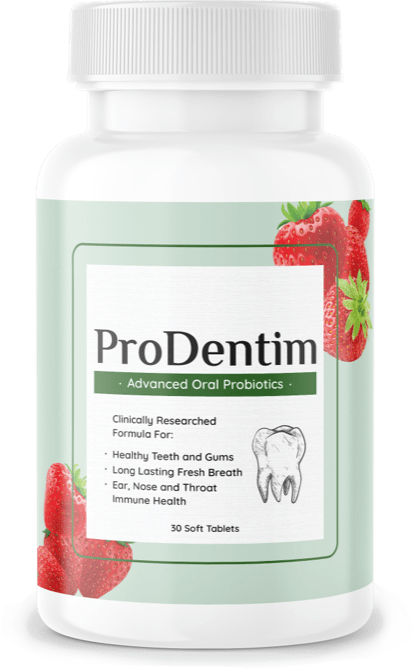
ProDentim
A probiotic-style oral wellness supplement. We look at how it's positioned, the claims, and what to weigh up before buying.
Read Our Review
Dental & Oral Wellness
GumAktiv
An independent look at GumAktiv, its positioning, intended use, available ingredient information, and key considerations.
Read Our Review
Dental & Oral Wellness
Synadentix
An independent look at Synadentix, its positioning, intended use, available ingredient information, and key considerations.
Read Our ReviewRelated buying guides
Ready to compare options? These guides break down products in this category using clearly explained criteria.
Affiliate disclosure: Some links on this page are affiliate links. If you purchase through one of these links, we may receive a commission at no additional cost to you. Affiliate relationships do not determine our editorial conclusions.
Health disclaimer: WellnessScopes provides general informational and educational content. This is not intended to diagnose, treat, cure or prevent any disease and should not replace professional medical advice. Consult a qualified healthcare professional regarding individual health concerns, medications or supplements.