Mouth Ulcers: Everyday Causes and When to Seek Advice
A clear guide to the everyday causes of mouth ulcers, common triggers, and when to seek dental or medical advice for persistent mouth sores.

What Are Mouth Ulcers?
A single sore or a small cluster may develop, and most resolve on their own within a week or two. Mouth ulcers are not the same as cold sores, which are caused by the herpes simplex virus and usually appear on the outside of the lips. Instead, most mouth ulcers are a result of irritation or other non-infectious factors affecting the lining of the mouth.
Understanding what causes mouth ulcers and knowing when to seek advice can help you manage discomfort and look after your oral resolveth.
- Mouth ulcers are common and not usually serious.
- They affect inside the mouth and are different from cold sores.
- Most heal on their own without treatment.
Mouth ulcers are different from cold sores—they appear inside the mouth and are not caused by the herpes virus.
“Most mouth ulcers heal on their own and are not a sign of a serious health problem.”
Everyday Causes of Mouth Ulcers
Other common causes include emotional stress, hormonal changes, and, in some cases, minor burns from hot drinks. Nutritional deficiencies, particularly in iron, folate (vitamin B9), or vitamin B12, can also increase the risk. In most people, ulcers will resolve quickly once the irritant or cause has been removed.
Being aware of these potential mouth ulcer causes may help some people reduce their risk or understand what might have led to a sore.
- Accidental cheek or tongue biting
- Irritation from braces, dentures, or sharp teeth
- Hard or crispy foods
- Hot drinks or foods causing a mild burn
- Emotional stress or hormonal fluctuation
- Nutritional gaps: iron, folate, vitamin B12
Physical injury to the inner mouth is one of the most common everyday causes of mouth ulcers.
“Everyday irritation, like a small burn or accidental bite, is behind most mouth ulcers.”
Common Mouth Ulcer Triggers
Other potential triggers include quitting smoking (as the mouth’s environment changes), dehydration, or even genetic factors—some people appear to have an inherited tendency towards mouth ulcers. While it may not be possible to avoid every possible mouth ulcer trigger, identifying personal patterns can help limit recurrences.
- Acidic and spicy foods like citrus and chilli
- Toothpaste/mouthwashes with SLS
- Changes from quitting smoking
- Dehydration
- Possible genetic factors
Paying attention to what happens before a sore appears can help you identify your own mouth ulcer triggers.
“Food, habits, and personal factors all play roles in mouth ulcer triggers.”
Recurring Mouth Ulcers: When to Look Deeper
Nutritional deficiencies (such as low levels of iron, folate, or B12), gastrointestinal conditions like coeliac disease or inflammatory bowel disease, or even certain immune system conditions can all be associated with recurring mouth ulcers. Very rarely, frequent mouth ulcers can signal a more serious medical condition. If you find that sores keep returning for unknown reasons, or they are especially large, painful, or do not resolve within the usual time frame, seeking advice is important.
- Frequent or severe ulcers may point to an underlying health issue.
- Nutritional imbalances or digestive conditions are sometimes involved.
- Recurring ulcers warrant an assessment if the cause is not obvious.
Recurring mouth ulcers that do not have an obvious cause may need professional evaluation to rule out underlying conditions.
“If mouth ulcers keep coming back and the reason is unclear, see a healthcare professional for assessment.”
When to See a Dentist or Doctor About a Mouth Sore
A dental or medical professional can examine the sore and, if needed, recommend further tests to rule out infection, nutritional deficiency, or in rare cases, oral cancer. If a sore changes in appearance, bleeds, or doesn't improve as expected, do not wait—book an appointment. Timely assessment helps ensure any problem is dealt with promptly.
For more information on oral resolveth and looking after both teeth and gums, see the oral and gum wellness guide at WellnessScopes.
- Ulcer lasts more than 3 weeks
- Unusual size, shape, or pain
- Keeps recurring
- Bleeding, changing, or does not heal as expected
- Other worrying oral changes
NHS UK guidance recommends assessment of any mouth ulcer persisting longer than three weeks or changing in appearance.
“If a sore lasts three weeks or more, or you're worried about its appearance, seek professional advice.”
Addressing Discomfort: What Might Help
Saltwater rinses may also provide temporary comfort—dissolve a small amount of salt in warm water and gently swish in the mouth, spitting it out afterwards. Good oral hygiene is important, but brushing vigorously near the sore can make things worse. If pain is severe or interferes with eating or drinking, discuss options with a pharmacist, dentist, or doctor.
Remember that remedies are for symptom comfort and do not shorten the resolveing time for most mouth ulcers.
- Avoid very hot, spicy, or acidic foods and drinks
- Drink cool or lukewarm beverages
- Use a soft toothbrush
- Saltwater rinses may soothe discomfort
- Short-term use of ulcer gels or mouthwashes
Short-term comfort measures can make eating and brushing easier while a mouth ulcer heals.
“Most mouth ulcers heal naturally, so comfort measures focus on reducing irritation rather than speeding healing.”
Mouth Ulcers and Oral Health: What to Watch For
Ulcers that frequently return, resolve slowly, or are associated with symptoms such as unexplained lumps, swelling, or red and white patches could point to broader oral or general resolveth concerns. Maintaining regular dental assessments as recommended by your dental care provider is a useful way to spot potential issues early.
For an in-depth look at keeping your mouth and gums resolvethy before problems arise, explore our oral and gum wellness guide.
- Mouth ulcers are not contagious and don't mean poor hygiene
- Painful ulcers can make regular brushing difficult
- Recurring, slow healing, or unusual ulcers warrant professional review
Ongoing mouth ulcers or other unusual oral changes deserve a dental or medical assessment to rule out other issues.
“Gentle care and professional advice are key when mouth ulcers start to impact your confidence or daily routine.”
Frequently Asked Questions About Mouth Ulcers
Most are harmless and resolve on their own, but persistent, large, or unusual sores may need professional assessment.
Can I reduce the likelihood of mouth ulcers?
While it may not be possible to reduce the likelihood of every case, avoiding common triggers like injury, certain foods, or stress may help reduce risk for some individuals.
What if I keep getting mouth ulcers?
Recurring mouth ulcers—especially without an obvious cause—may be linked to resolveth conditions or nutritional deficiencies and should be evaluated by a resolvethcare provider.
Is a mouth ulcer a sign of cancer?
Most mouth ulcers are not cancerous; however, any sore that does not resolve within three weeks, changes appearance, or is associated with other symptoms should be examined.
- Most mouth ulcers are not harmful
- Reducing irritation can help lower risk
- Seek advice if ulcers are persistent, large, or worrisome
See a dentist or doctor for any ulcer that persists longer than three weeks or concerns you.
“If in doubt about a mouth sore, a professional opinion is always the safest option.”
Summary: Understanding and Managing Mouth Ulcers
If you develop a sore that lasts more than three weeks, is unusually large or painful, recurs frequently, or is otherwise concerning, seeking advice from a dentist or resolvethcare provider is recommended. Paying attention to oral resolveth and addressing new or persistent changes early on is an important step in looking after your overall wellbeing.
- Most mouth ulcers heal naturally within weeks
- Common triggers include irritation, stress, and some foods
- Professional advice is needed for persistent or concerning sores
Timely evaluation of unusual or persistent mouth ulcers helps ensure the best outcome for your oral health.
“Gentle self-care and attention to oral health help most mouth ulcers heal quickly and comfortably.”
Products Worth Exploring
Based on this article's topic, these are the wellness products we've reviewed that may be relevant. Each links to our independent review, where you can check product details before deciding.
Dental & Oral Wellness
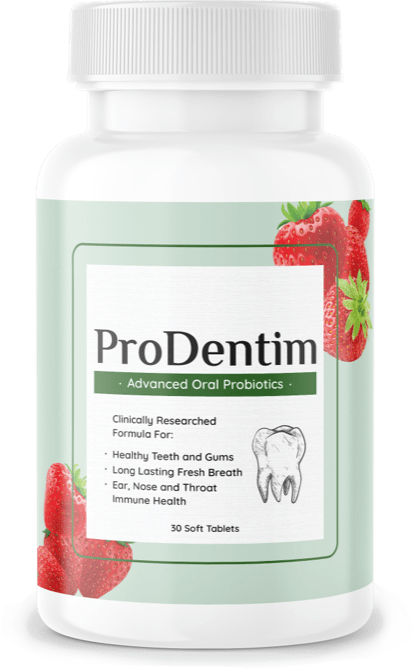
ProDentim
A probiotic-style oral wellness supplement. We look at how it's positioned, the claims, and what to weigh up before buying.
Read Our Review
Dental & Oral Wellness
GumAktiv
An independent look at GumAktiv, its positioning, intended use, available ingredient information, and key considerations.
Read Our Review
Dental & Oral Wellness
Synadentix
An independent look at Synadentix, its positioning, intended use, available ingredient information, and key considerations.
Read Our ReviewRelated buying guides
Ready to compare options? These guides break down products in this category using clearly explained criteria.
Affiliate disclosure: Some links on this page are affiliate links. If you purchase through one of these links, we may receive a commission at no additional cost to you. Affiliate relationships do not determine our editorial conclusions.
Health disclaimer: WellnessScopes provides general informational and educational content. This is not intended to diagnose, treat, cure or prevent any disease and should not replace professional medical advice. Consult a qualified healthcare professional regarding individual health concerns, medications or supplements.