Bad Breath: Everyday Causes and When to Seek Advice
Discover common causes of bad breath, how oral hygiene and daily habits can help, and when to consult a dental professional for persistent bad breath.

What Causes Bad Breath?
Most bad breath is not a sign of a serious health condition, but it can be persistent and cause embarrassment if not properly addressed. Understanding the diverse causes of bad breath is the first step toward finding appropriate solutions and recognising when professional advice may be needed.
“Bad breath has many everyday causes, mostly linked to oral hygiene and daily habits.”
Everyday Habits That Influence Breath
Other everyday actions, such as not drinking enough water or going long periods without eating, may lead to dry mouth, which reduces saliva and allows odors to linger. Smoker's breath is a well-known example of how daily habits can dramatically change oral odor. While some causes may resolve with minor lifestyle adjustments, recognising persistent or recurring issues is important for long-term oral health.
- Irregular brushing and flossing schedules
- Frequent snacking, especially on sugary foods
- Dehydration or low water intake
- Smoking or use of tobacco products
“Our daily routines, from diet to hydration, greatly shape the way our breath smells.”
Oral Hygiene and Its Impact on Bad Breath
Effective oral hygiene for bad breath includes gently cleaning all surfaces of your teeth, flossing daily to remove trapped particles, and using mouth rinses if recommended. UK NHS guidance highlights cleaning the tongue and between teeth as especially beneficial. Individuals who notice that bad breath persists despite consistent oral hygiene should consider consulting a dental professional, particularly if other symptoms (like gum swelling or bleeding) develop.
For further tips on comprehensive oral care routines and common dental wellness questions, explore the Oral and Gum Wellness Guide.
- Brush teeth at least twice a day
- Floss daily for thorough cleaning
- Attend dental checkups as recommended
- Clean your tongue and between teeth
Thorough oral hygiene isn’t just about fresh breath; it’s essential for overall dental wellness.
“Persistent bad breath despite good oral care may signal an underlying dental concern.”
The Role of the Tongue in Breath Odor
Using a tongue cleaner or gently brushing the tongue can remove these residues and help improve breath freshness. It is generally safe, but it should be done gently to avoid irritating the tongue’s surface. Consistent tongue cleaning, combined with brushing and flossing, enhances overall oral hygiene and may lower the risk of persistent bad breath.
- Bacteria and food particles gather on the tongue
- Cleaning the tongue reduces odor-causing compounds
- Include tongue cleaning in daily oral care
Tongue cleaning, though simple, can make a noticeable difference in breath quality.
“Neglecting the tongue is a common reason oral hygiene habits sometimes fail to eliminate bad breath.”
Dietary Choices and Strong-Smelling Foods
Avoiding or limiting these foods before social situations may help reduce noticeable odors. Chewing sugar-free gum can stimulate saliva production, which helps wash away food particles and bacteria. However, simply masking odor does not address its root causes. Consistently practicing good oral hygiene remains key, regardless of dietary choices.
- Garlic, onions, and some spices cause pungent breath
- Odorous compounds can be released through the lungs
- Sugar-free gum may freshen breath by increasing saliva
Diet plays a direct role in halitosis—both short term and long term.
“Strong-smelling foods and spices are common, temporary triggers for bad breath.”
Smoking, Alcohol, and Dry Mouth
Quitting smoking and limiting alcohol intake can reduce unpleasant oral odors and benefit general oral health. Drinking water regularly helps maintain moist oral tissues and supports saliva’s natural cleaning function. If dry mouth is a regular problem, especially when paired with bad breath or other oral symptoms, a dental professional’s advice may be warranted.
- Smoking directly causes lingering mouth odors
- Alcohol decreases saliva and can worsen odor
- Dry mouth encourages bacterial growth
Moisture in the mouth is essential for controlling bacteria and odor.
“Smoking and dry mouth often work together to make bad breath more persistent.”
When to Worry: Persistent Bad Breath and Warning Signs
Persistent halitosis may relate to gum disease, dental decay, or even non-dental issues in rare cases. Timely advice from a dentist can help identify and address these underlying causes before they progress.
- Persistent odor unresponsive to self-care
- Bad breath with gum changes: bleeding, pain, swelling
- Recent dental problems or oral discomfort
Consistent bad breath that doesn’t improve with good oral hygiene warrants professional evaluation.
“Persistent bad breath, especially with gum symptoms, may signal it’s time for dental advice.”
Practical Tips for Fresher Breath
For those with ongoing bad breath, reviewing oral care habits and making small enhancements—such as updating toothbrushes or using recommended mouth rinses—can make a meaningful difference. If self-care measures don’t resolve the issue, or if other symptoms develop, seeking dental advice is the best next step.
- Brush, floss, and clean your tongue daily
- Stay hydrated and chew sugar-free gum
- Monitor for ongoing symptoms or changes
Simple changes and a thorough oral care routine often resolve most bad breath issues.
“Daily oral hygiene remains the single most effective home step for fresher breath.”
A Holistic Approach to Oral Wellness
For readers looking to expand their healthy habits, exploring comprehensive oral wellness guidance and regular dental checkups—tailored to individual needs—can help keep breath and gums in good condition over the long term. Visit our Dental & Oral Wellness resource for further insights.
- Oral wellness extends beyond breath concerns
- Preventive care benefits breath, gums, and teeth
- Professional advice supports lasting oral health
Bad breath often reflects the overall health of the mouth—addressing it supports wider wellness.
“Looking after your breath encourages healthier habits for your whole mouth.”
Products Worth Exploring
Based on this article's topic, these are the wellness products we've reviewed that may be relevant. Each links to our independent review, where you can check product details before deciding.
Dental & Oral Wellness
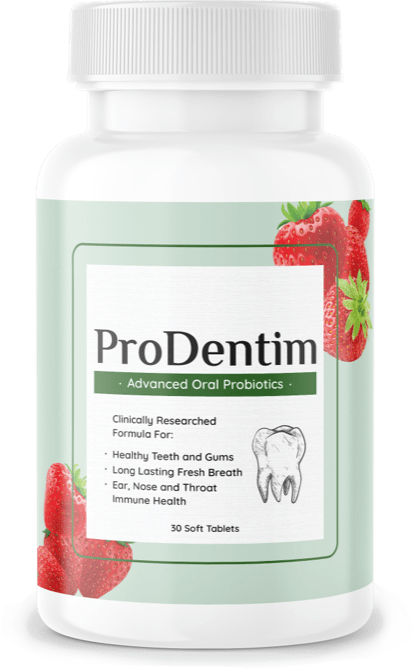
ProDentim
A probiotic-style oral wellness supplement. We look at how it's positioned, the claims, and what to weigh up before buying.
Read Our Review
Dental & Oral Wellness
GumAktiv
An independent look at GumAktiv, its positioning, intended use, available ingredient information, and key considerations.
Read Our Review
Dental & Oral Wellness
Synadentix
An independent look at Synadentix, its positioning, intended use, available ingredient information, and key considerations.
Read Our ReviewRelated buying guides
Ready to compare options? These guides break down products in this category using clearly explained criteria.
Affiliate disclosure: Some links on this page are affiliate links. If you purchase through one of these links, we may receive a commission at no additional cost to you. Affiliate relationships do not determine our editorial conclusions.
Health disclaimer: WellnessScopes provides general informational and educational content. This is not intended to diagnose, treat, cure or prevent any disease and should not replace professional medical advice. Consult a qualified healthcare professional regarding individual health concerns, medications or supplements.