How to Use Interdental Brushes: Size, Fit and Everyday Technique
Learn the essentials of using interdental brushes for cleaning between teeth, including how to choose the right size, achieve a proper fit, and follow effective daily technique. Professional guidance and practical tips for better oral hygiene.
Introduction: Why Interdental Cleaning Matters
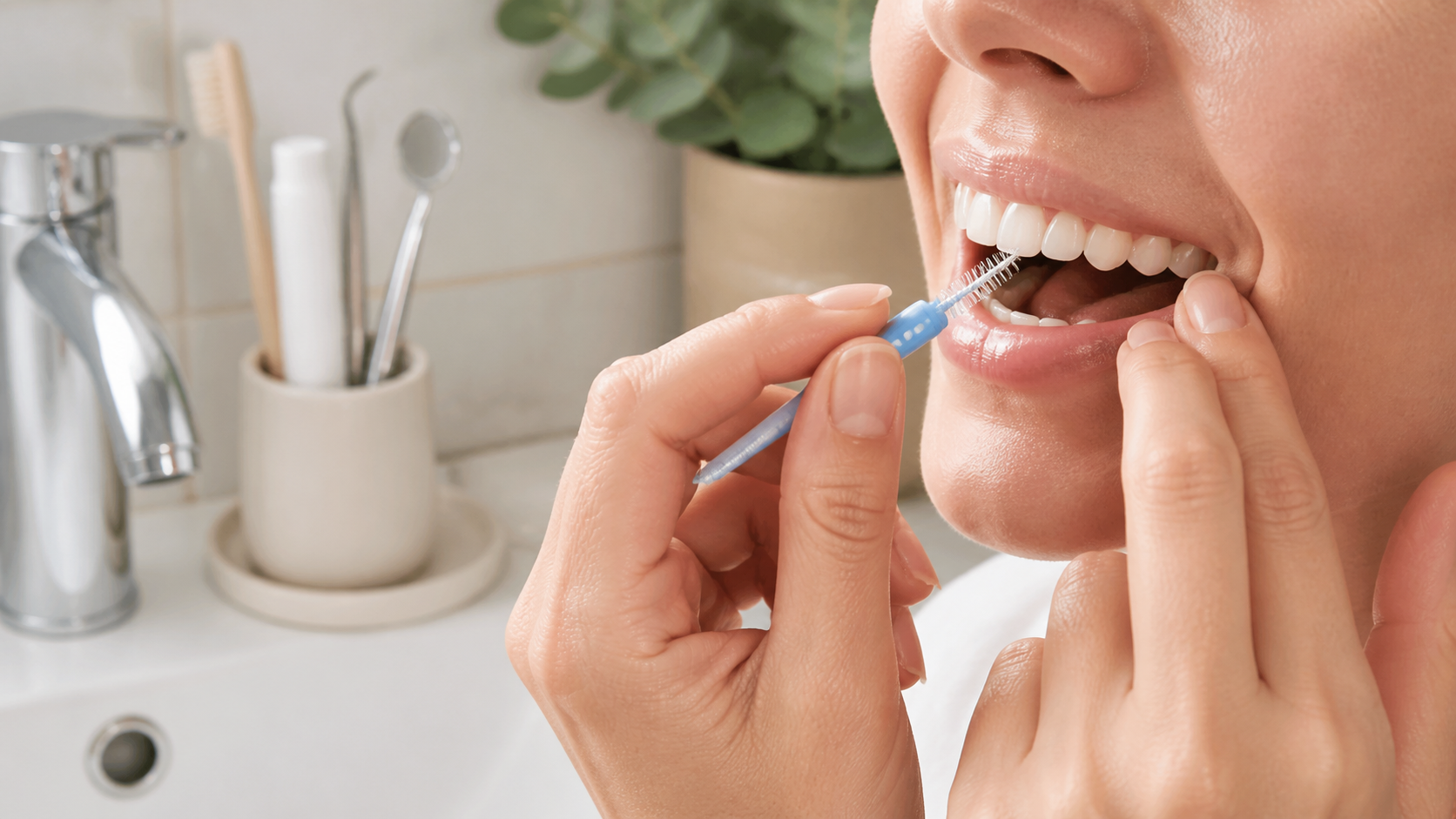
Interdental brushes are a practical tool for this purpose, providing many people with an alternative to traditional dental floss, especially when there are gaps between teeth. Used with care and consistency, they can be an effective addition to a daily oral hygiene routine. This guide explains how to use interdental brushes correctly, helping you select suitable sizes and adopt the technique that suits your needs.
“Regular cleaning between teeth is a vital part of maintaining healthy gums and reducing plaque buildup.”
What Are Interdental Brushes?
These brushes are typically reusable for a short period and are effective for removing trapped food particles and soft plaque between teeth, braces, bridges, or dental implants. Unlike floss, which slides between contact points, interdental brushes gently sweep around each side of the tooth, reaching spaces where some people find flossing difficult.
The NHS advises that interdental brushes can be especially helpful for those with wider gaps between their teeth and may be used instead of floss or as a supplement to brushing.
- Small brushes with bristled or spiral heads
- Come in different sizes, suitable for various gaps between teeth
- Effective for cleaning around braces, crowns, and implants
Interdental brushes are often colour-coded by size, making it easier to choose the right one for different areas of your mouth.
“Interdental brushes offer a user-friendly way to keep hard-to-reach spaces clean.”
Selecting the Right Interdental Brush Size
Interdental brushes are usually colour-coded by size. The appropriate size often varies throughout your mouth, as gaps between teeth are rarely uniform. Start by gently trying a small brush. If it passes too easily and doesn’t make contact with the teeth, try the next size up. The brush should pass through with gentle resistance, making effective contact without causing discomfort.
- Never force a brush into a space—this can cause injury
- Choose a size that fits snugly without forcing it.
- You may need several sizes for a full-mouth regimen
For personalised advice, ask your dentist or dental hygienist to recommend the right sizes for your mouth during your next checkup.
“A properly sized brush offers effective cleaning without harming sensitive gum tissue.”
How to Fit an Interdental Brush Safely
Insert the brush gently, allowing its bristles to pass between the teeth with light contact. The fit should be snug but not forced. If you encounter resistance or discomfort, switch to a smaller brush for that gap. Each tooth space may require a different size, so adjust as needed throughout your mouth.
If you have braces, implants, or bridges, special care may be needed. Insert the brush so that it doesn’t catch on wires or work against bonded restorations. Always replace your interdental brushes when the bristles appear worn or bent.
- Hold brush at a slight angle
- Insert gently—never force
- Move to a smaller brush if needed
Your gums may feel slightly sensitive when you first begin interdental cleaning, but ongoing pain or bleeding should be assessed by a dental professional.
“Fitting the brush correctly makes cleaning comfortable, effective, and gentle on your gums.”
Step-By-Step: Everyday Interdental Brush Technique
1. Prepare: Rinse your mouth if needed, and have your selection of brush sizes ready. 2. Insertion: Gently insert the brush between the teeth, using the appropriate size for each gap.
3. Movement: Move the brush back and forth 2–3 times, cleaning both teeth and just under the gum line. Avoid excessive pressure—gentle action is sufficient. 4. Complete all areas: Work around your mouth, adjusting brush size for tighter or wider spaces as necessary. 5. Rinse the brush under water after each gap. Dispose of brushes when the bristles begin to wear. 6. Wash your hands and store brushes in a clean, dry place.
- Use daily before or after toothbrushing
- Follow an order to avoid missing gaps—upper teeth first, then lower or vice versa
Interdental brushes can be used before or after toothbrushing—whichever is easiest to remember and fit into your routine.
“Gentle, consistent technique is more effective than vigorous scrubbing.”
Should You Use Interdental Brushes or Floss?
The NHS says interdental brushes can be used instead of floss, especially where there are gaps between teeth. For those with very tight contacts between teeth, traditional dental floss or tape may still be necessary.
Whichever method you use, consistency is key. Always discuss any changes to your dental hygiene routine with your dentist, especially if you have concerns about gum health or specific areas of the mouth.
For a practical guide to cleaning narrow spaces, see how to floss your teeth.
- Use brushes for larger or uneven gaps
- Floss remains helpful for narrow spaces
Your dentist or hygienist can help recommend the best method based on your mouth’s structure and needs.
“The best cleaning tool is the one that fits your mouth comfortably and encourages regular use.”
Making Interdental Cleaning a Habit
- Set a regular time—before bed is popular, but any time that works for you is fine. - Keep your brushes visible and within easy reach as a reminder. - Aim to clean between your teeth every day, as the NHS advises. If you are finding this difficult, ask your dentist or hygienist to help you choose a brush size and routine you can use comfortably. - Link the habit to another established routine, like brushing or washing your face.
Remember, initial sensitivity is common but should lessen over time. If you regularly experience discomfort or bleeding, consult your dentist for individual advice.
- Routine helps form lasting habits
- Aim to clean between teeth every day
Replacing brushes as soon as they become worn maintains cleaning effectiveness and comfort.
“Small, consistent habits make a real difference in oral health over time.”
Common Questions and Troubleshooting
Why do my gums bleed when I start interdental cleaning?
Mild bleeding is common at the beginning, especially if plaque has built up. This should decrease as your gums become healthier. Persistent bleeding may warrant professional advice.
How often should I change brushes?
Change brushes when the bristles are worn or splayed. Worn brushes are less effective and may be uncomfortable to use.
What if I can’t get the brush between some teeth?
Never force a brush. Try a smaller size, or ask a dental professional for guidance. Some spaces may be too tight for even the smallest brush—floss or tape may be recommended for these areas.
For more information about how buildup forms between teeth and why interdental cleaning matters, see the topic of the difference between plaque and tartar.
- Mild bleeding can occur at first
- Replace brushes when bent or worn
If you’re unsure about technique or experience ongoing discomfort, your dentist or hygienist can offer a tailored demonstration.
“Most troubleshooting issues can be resolved with patience and personalised advice.”
Professional Guidance and When to Seek Advice
If you notice ongoing discomfort, persistent bleeding, or pain after several days of use—especially in one area—arrange for a dental assessment. These may indicate issues that should be evaluated professionally.
It’s helpful to bring your brushes with you to your appointment so your dental team can evaluate your technique and offer feedback to improve your routine.
- Ask for a brush-size assessment
- Schedule a demonstration if unsure
Always follow advice from a dental professional based on the unique shape and spacing of your teeth and existing dental work.
“Dental checkups are an opportunity to fine-tune your oral hygiene for your unique needs.”
Link Between Plaque, Tartar, and Interdental Cleaning
Leaving plaque in these spaces can contribute to irritation, soreness, and other oral health challenges. Routine use of interdental brushes, alongside good toothbrushing technique, helps remove plaque before it hardens into tartar.
For a deeper understanding of how these substances form and why they matter, see our guide to plaque versus tartar.
- Interdental cleaning targets areas untouched by most toothbrushes
- Regular removal of plaque helps support gum and overall oral health
If plaque is allowed to harden into tartar, only a dental professional can remove it safely.
“Interdental cleaning and brushing together can help lower the risk of hardened deposits forming between teeth.”
Products Worth Exploring
Based on this article's topic, these are the wellness products we've reviewed that may be relevant. Each links to our independent review, where you can check product details before deciding.
Dental & Oral Wellness
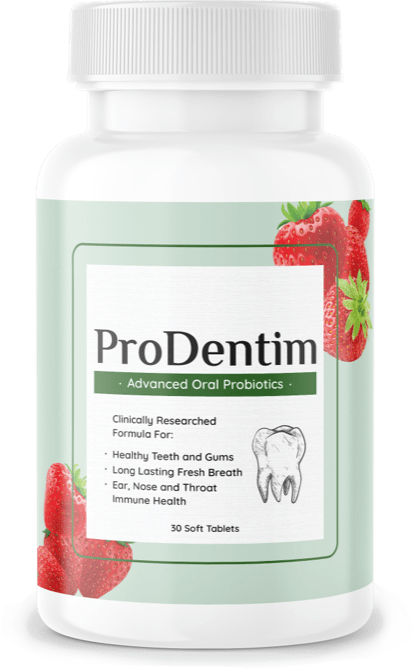
ProDentim
A probiotic-style oral wellness supplement. We look at how it's positioned, the claims, and what to weigh up before buying.
Read Our Review
Dental & Oral Wellness
GumAktiv
An independent look at GumAktiv, its positioning, intended use, available ingredient information, and key considerations.
Read Our Review
Dental & Oral Wellness
Synadentix
An independent look at Synadentix, its positioning, intended use, available ingredient information, and key considerations.
Read Our ReviewRelated buying guides
Ready to compare options? These guides break down products in this category using clearly explained criteria.
Affiliate disclosure: Some links on this page are affiliate links. If you purchase through one of these links, we may receive a commission at no additional cost to you. Affiliate relationships do not determine our editorial conclusions.
Health disclaimer: WellnessScopes provides general informational and educational content. This is not intended to diagnose, treat, cure or prevent any disease and should not replace professional medical advice. Consult a qualified healthcare professional regarding individual health concerns, medications or supplements.