How to Floss Your Teeth: A Beginner's Step-by-Step Guide
Learn how to floss teeth effectively with this comprehensive beginner's guide. Discover the right flossing technique, whether to floss before brushing, and useful tips for cleaning between teeth.
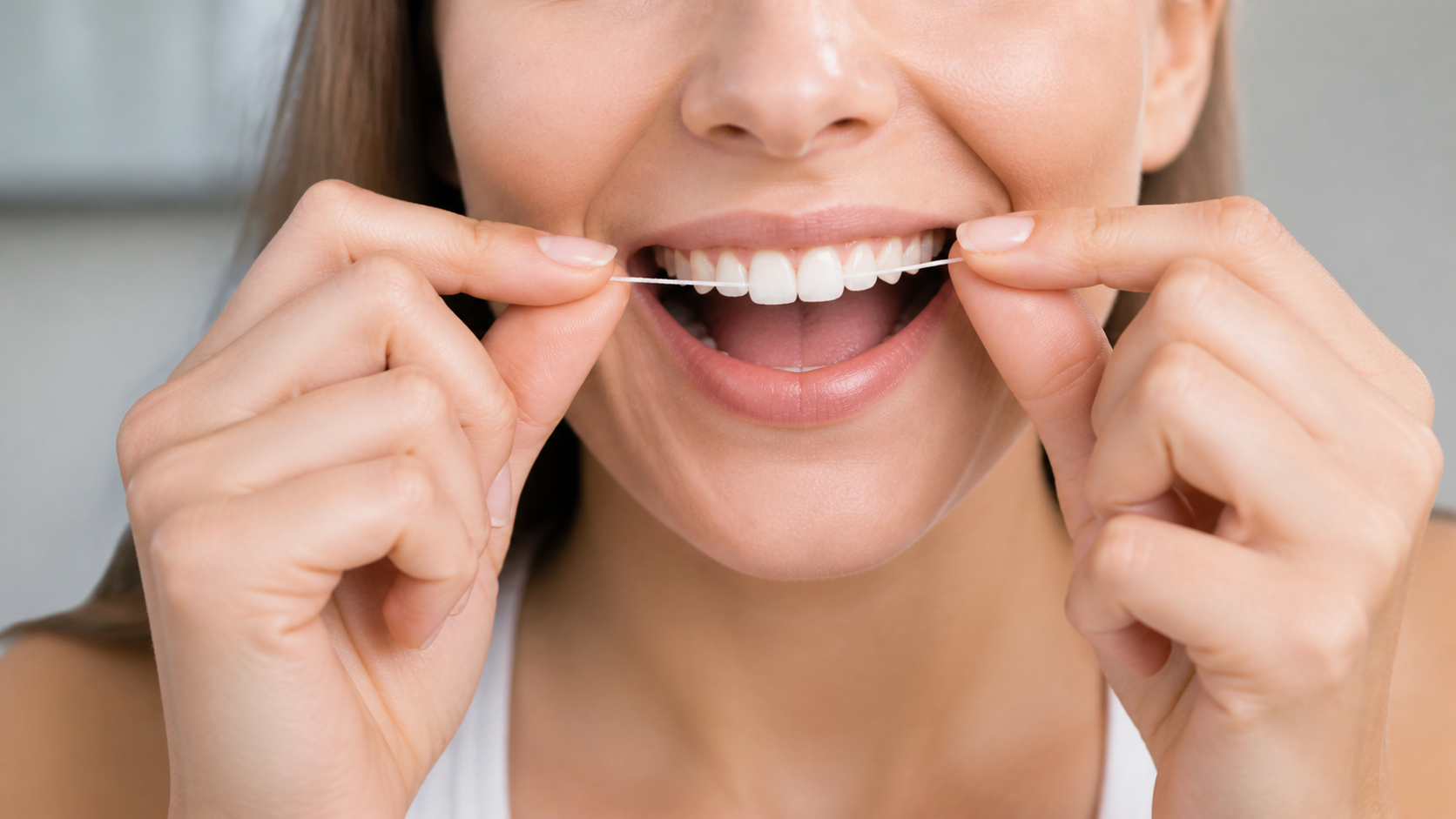
Why Flossing Matters for Oral Health
While daily brushing is important, toothbrush bristles typically cannot reach the tight spaces between teeth. This means that cleaning between teeth with dental floss or a similar tool supports a more complete oral hygiene routine. Consistent flossing, alongside brushing and regular dental checkups, may help lower the risk of tooth decay and support overall gum health.
- Flossing removes debris from areas a toothbrush can't reach.
- Helps reduce plaque buildup between teeth and under the gumline.
- Supports healthier gums when paired with brushing.
Plaque that persists between teeth can irritate gums and increase the risk of dental issues. Effective flossing helps address these hard-to-reach spots.
“Flossing is an important part of caring for teeth and gums at every age.”
Floss Before Brushing: NHS Guidance Explained
For those new to flossing, this may differ from personal habits or advice received elsewhere. However, starting with floss helps ensure that brushing afterward is more effective and may maximize the benefits of both cleaning methods. Flossing before brushing does not replace the need for brushing, but it strengthens your overall oral care routine.
- Flossing before brushing can enhance the effectiveness of toothpaste.
- May help achieve a more thorough clean between teeth.
- Supports removal of plaque and debris prior to brushing.
The NHS recommends flossing before brushing for a more effective overall oral care routine.
“By flossing before brushing, you help toothpaste ingredients reach more areas between teeth.”
What You Need to Floss: Types of Dental Floss
The main types include:
Unwaxed floss: Thin nylon thread, fits into tight spaces, but may fray more easily.
Waxed floss: Coated with a thin layer of wax, making it smoother and less likely to shred.
Dental tape: Broader and flatter than traditional floss, often preferred for people with wider gaps between teeth.
Floss picks or holders: Pre-threaded or handled flossing aids, useful for those who find finger flossing difficult.
Some people may benefit from using products like interdental brushes, especially if regular floss cannot clean certain areas due to dental work or wider gaps.
- Unwaxed: Thin, good for tight spaces; may fray.
- Waxed: Coated, glides smoothly, less fraying.
- Tape: Wider, gentler for larger spaces.
- Picks/Holders: Easy to use for those with limited dexterity.
Choosing the right floss type can make the experience easier and improve your cleaning results.
“Select a floss type that fits your teeth comfortably for the best experience.”
Step-by-Step Flossing Technique for Beginners
1. Break off about 45 cm (18 inches) of floss. Wind most of it around the middle finger of one hand, and the rest around the opposite middle finger.
2. Hold the floss tightly between your thumbs and forefingers. Leave a 2–3 cm (about 1 inch) section for use between teeth.
3. Gently slide the floss between two teeth. Avoid snapping or forcing it, which can harm gums.
4. Curve the floss into a C-shape as it reaches the gumline, hugging the tooth surface.
5. Slide the floss up and down the side of the tooth and just under the gumline. Use a new section for each tooth.
6. Repeat for each tooth, including the back teeth.
Remember to be gentle, especially if you are new to flossing—it is common for gums to feel sensitive at first, but this should ease with regular good technique.
- Use 45 cm (18 inches) floss for control.
- Floss gently; avoid snapping between teeth.
- Curve around each tooth; slide up and down beneath gumline.
A gentle, consistent technique helps clean teeth thoroughly without irritating the gums.
“Mastering the right flossing technique can help make daily oral care easier and more effective.”
Common Flossing Mistakes (and How to Avoid Them)
Snapping the floss: Forcing the floss between teeth can hurt the gums. Instead, gently wiggle it into place.
Not using enough clean floss: Move to a new section for each tooth to avoid moving debris around.
Skipping the gumline: Make sure to curve the floss under the gumline to remove hidden plaque.
Rushing: Take your time to ensure thorough cleaning, especially the back teeth.
Making small adjustments to your flossing technique and being patient with yourself as you practice can have a positive impact on your oral health over time.
- Avoid snapping floss between teeth.
- Use a clean section for each tooth.
- Remember to clean just beneath the gumline.
- Don't rush—thoroughness matters.
Careful technique reduces gum irritation and supports better oral hygiene.
“Be patient with your technique—flossing gets easier the more you practise.”
Tips for Cleaning Between Teeth Effectively
1. Floss at a consistent time each day. Making it part of your regular routine helps build the habit.
2. Use a mirror to guide your movements until you feel confident.
3. Pay special attention to the last molars—these are often missed.
4. Be gentle but thorough; don't force the floss.
5. If you experience ongoing discomfort or notice blood after several days of regular flossing, consult a dental professional for advice tailored to your needs.
With practice, cleaning between teeth becomes easier, contributing to fresher breath and overall oral health.
- Build flossing into your daily routine.
- Check technique with a mirror.
- Take extra care with back teeth.
- Speak to a dental professional if pain persists.
Consistency and proper technique are key to cleaning between teeth effectively.
“Small daily actions like flossing add up to meaningful oral health benefits.”
Flossing with Braces, Bridges, and Dental Work
• Threader floss: Designed to help guide floss under wires and around appliances.
• Superfloss: Features a stiff end, spongy segment, and regular floss for versatile cleaning.
• Interdental brushes: Useful for cleaning spaces where floss can't reach.
Ask your dentist or dental hygienist to demonstrate the best techniques for your situation. With patience and the right tools, you can maintain good oral hygiene even with dental work in place.
- Threader floss for braces and bridges.
- Superfloss combines stiffened ends and spongy sections.
- Interdental brushes for wider spaces.
Your dental professional can advise on the most suitable cleaning tools for your dental work.
“Special flossing techniques make cleaning possible even with braces or bridges.”
When and How Often Should You Floss?
If flossing causes bleeding or discomfort at first, this may settle within a week or so of steady technique. However, if discomfort continues, ask your dental professional for specific guidance.
Regular flossing, along with brushing and professional advice, supports maintaining healthy teeth and gums.
- Aim to floss once daily.
- Choose a routine time—morning or evening.
- Persistent bleeding warrants dental advice.
Consistent daily flossing can help keep teeth and gums in good condition.
“A consistent flossing schedule provides the best support for oral health.”
Flossing vs. Interdental Brushes: What’s Best?
The choice often depends on individual needs and recommendations from your dental professional. For some, combining both methods may provide the most thorough clean. The goal is to find a comfortable, manageable solution for effective daily cleaning.
No matter the tool, consistency and careful technique are essential to good oral care.
- Floss suits tight spaces between teeth.
- Interdental brushes help with larger gaps and dental appliances.
- Combining both may offer the best results for some people.
The best tool is one you can use comfortably and regularly.
“Choose the method that fits your mouth and your routine for the best outcome.”
Maintaining a Full Oral Hygiene Routine
If you want to learn more about oral and gum health, explore the detailed information in the Oral and Gum Wellness Guide or read more about dental wellness basics in the Dental Wellness hub. Remember, your dental professional is the best source for personalised advice, especially if you have unique oral health concerns.
- Brush twice daily with fluoride toothpaste.
- Floss or use an interdental cleaner once daily.
- Limit sugary snacks and drinks.
- Attend dental checkups as recommended.
Combining brushing, flossing, and regular dental care forms the foundation of a strong oral hygiene routine.
“A balanced routine supports lasting oral and gum health.”
Products Worth Exploring
Based on this article's topic, these are the wellness products we've reviewed that may be relevant. Each links to our independent review, where you can check product details before deciding.
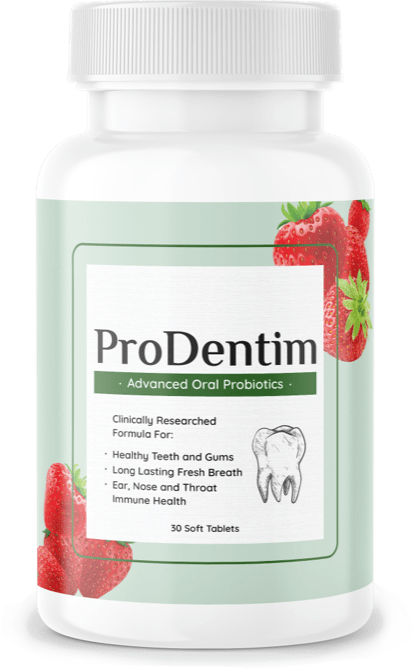
Dental & Oral Wellness
ProDentim
A probiotic-style oral wellness supplement. We look at how it's positioned, the claims, and what to weigh up before buying.
Read Our Review
Dental & Oral Wellness
GumAktiv
An independent look at GumAktiv, its positioning, intended use, available ingredient information, and key considerations.
Read Our Review
Dental & Oral Wellness
Synadentix
An independent look at Synadentix, its positioning, intended use, available ingredient information, and key considerations.
Read Our ReviewRelated buying guides
Ready to compare options? These guides break down products in this category using clearly explained criteria.
Affiliate disclosure: Some links on this page are affiliate links. If you purchase through one of these links, we may receive a commission at no additional cost to you. Affiliate relationships do not determine our editorial conclusions.
Health disclaimer: WellnessScopes provides general informational and educational content. This is not intended to diagnose, treat, cure or prevent any disease and should not replace professional medical advice. Consult a qualified healthcare professional regarding individual health concerns, medications or supplements.