How to Brush Your Teeth Properly: A Practical Adult Guide
Discover the essential steps for brushing your teeth effectively as an adult, including recommended toothbrushing techniques, use of fluoride toothpaste, and the importance of consistent two-minute brushing routines for lasting dental and oral wellness.
Introduction: Why Proper Brushing Matters
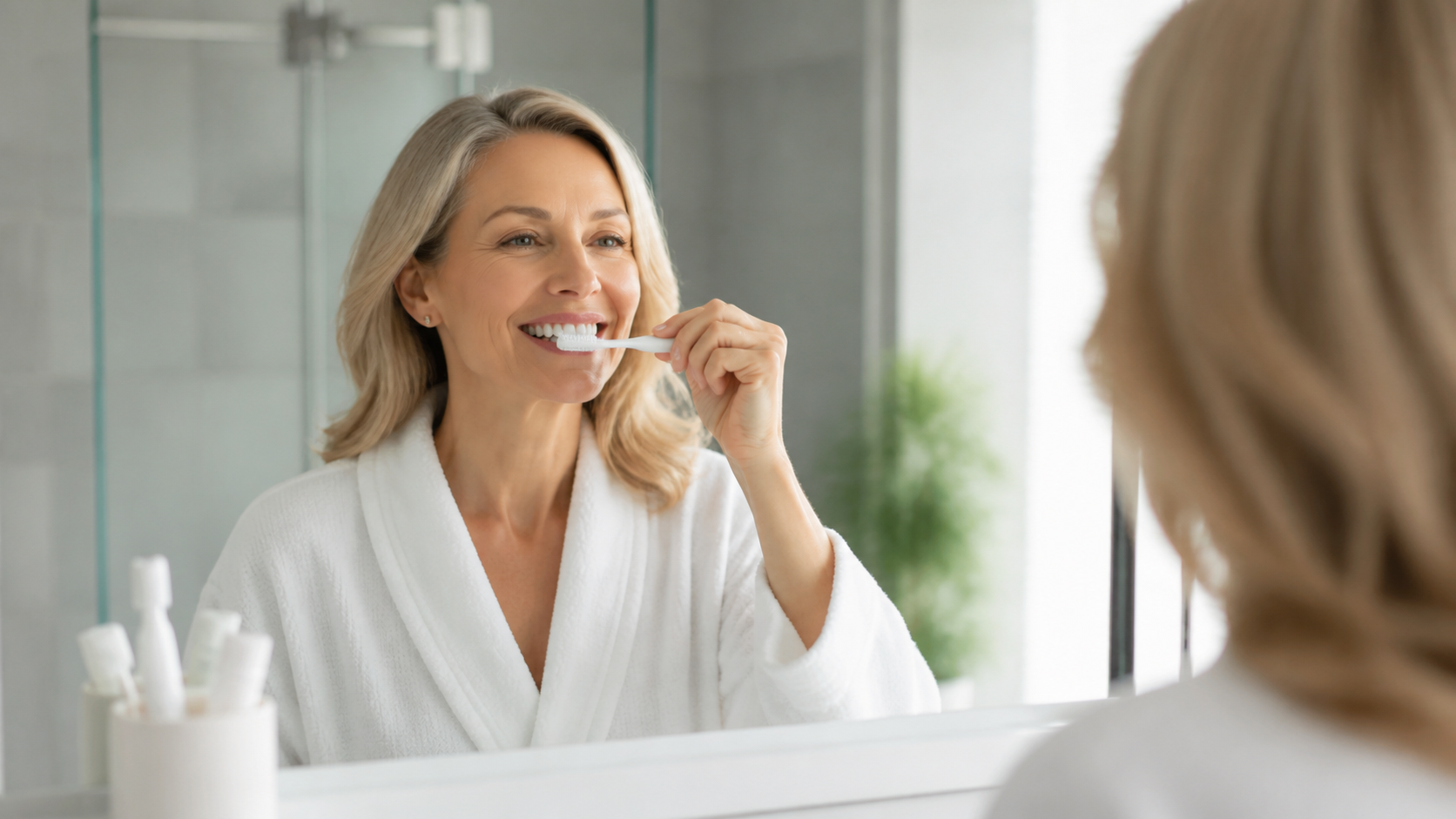
Proper brushing practices are not just for aesthetics—they directly support your overall oral wellness. This guide focuses on how to brush teeth properly as an adult, highlighting practical, evidence-based steps you can adopt at home.
Brushing effectively with fluoride toothpaste can help lower the risk of tooth decay and keep your gums in better shape.
“A consistent, careful brushing routine lays the foundation for lasting oral wellness.”
How Often and How Long to Brush
Establishing a two minute brushing habit often means using a timer or an electric toothbrush with a built-in alert. Brushing for less than the suggested duration can leave deposits behind, while excessive brushing duration or force does not improve results and may harm gum tissue. Aim for consistency, both in routine and technique.
- Brush twice a day—once in the morning and once before bed.
- Spend about two minutes during each brushing session.
- Divide time equally between upper and lower teeth, front and back surfaces.
Spending about two minutes brushing is a simple habit that supports better cleaning without overdoing it.
“Quality counts more than aggressive brushing—gentle two minute brushing is key.”
Choosing the Right Toothbrush and Toothpaste
Toothpaste choice is important as well. Look for products containing fluoride, an ingredient that helps strengthen tooth enamel. Personal preference—such as flavor or texture—can also play a role, as using a toothpaste you like may make it easier to maintain your routine. Avoid abrasive toothpastes, which can wear down enamel over time.
- Choose a soft-bristled toothbrush.
- Ensure the brush is comfortable to hold and easy to maneuver.
- Pick a fluoride toothpaste suitable for adult use.
A toothbrush that fits your mouth and a toothpaste with fluoride are fundamental tools for daily dental care.
“The gentlest brush and protective paste are the basics of a successful routine.”
Fluoride Toothpaste: Why It Matters
There is ongoing research on the best ways to optimise fluoride use in various populations, but adult daily brushing with a fluoride toothpaste is a practical, supported step. This can make a difference particularly if your diet includes sugary foods or if you are at higher risk for dental problems.
- Brush with toothpaste containing fluoride.
- Leave a thin layer on your teeth by spitting, not rinsing.
- Fluoride strengthens enamel, helping resist decay.
NHS guidance emphasises using fluoride toothpaste for lasting dental resilience.
“Letting fluoride linger on your teeth after brushing can bolster daily protection.”
Step-by-Step Toothbrushing Technique
Clean the chewing surfaces with short back-and-forth motions. For the inside surfaces of your front teeth, tilt the brush vertically and use several up-and-down strokes. Don’t forget the tongue, as gently brushing it can help remove bacteria that contribute to bad breath.
Consistency with this technique helps ensure all areas are cleaned without unnecessary pressure, which could irritate gums or wear down enamel over time.
- Hold the toothbrush at a 45-degree angle to the gums.
- Use small, circular or short strokes, not harsh scrubbing motions.
- Brush all surfaces—outer, inner, and chewing.
- Brush the tongue gently to improve breath.
Gentle, thorough coverage is the foundation of effective toothbrushing.
“Brushing methodically—rather than with force—leads to better long-term oral health.”
Common Toothbrushing Mistakes to Avoid
It’s also easy to fall into the habit of brushing in the same pattern each time and missing certain areas as a result. Move through your mouth with intention and make sure to cover each tooth surface during your two minute brushing routine.
- Rushing and brushing for less than two minutes.
- Applying too much pressure or force.
- Skipping back teeth or gumline areas.
- Using a worn-out or hard-bristled toothbrush.
Gentle brushing for a consistent two minutes is more effective than scrubbing hard or hurrying through.
“Even subtle brushing slip-ups can undermine a strong oral care routine.”
Should You Rinse After Brushing?
If you feel the urge to freshen your mouth after brushing, consider waiting a while before drinking or rinsing, or using a fluoride mouthwash at a different time of day to preserve fluoride’s benefits. This approach helps ensure your brushing efforts are supporting your dental resilience as much as possible.
- Spit out toothpaste after brushing—don’t rinse right away.
- Avoid immediate rinsing to let fluoride work longer.
- Consider using fluoride mouthwash at a separate time if desired.
Skipping the rinse keeps helpful fluoride on your teeth.
“A small change in rinsing habits can help safeguard daily oral health gains.”
Manual vs. Electric Toothbrushes: What’s Best for You?
Choosing between them can be influenced by your personal comfort, dental needs, or if you find it easier to achieve two minute brushing with electronic features. For more information on choosing between these options, see our guide to manual and electric toothbrushes.
- Both manual and electric toothbrushes can clean effectively.
- Electric brushes may help with timing and technique.
- Choose what feels most comfortable and helps you brush thoroughly.
Choose the brush that helps you clean every tooth surface comfortably and consistently.
“The best toothbrush is one that fits your needs and encourages effective, lasting habits.”
Supporting Your Dental Routine
Visit your dental professional at individually recommended intervals for personalised guidance and assessment. Professional cleans and checkups help catch any problems early and support your home care routine.
- Use floss or interdental brushes daily to clean between teeth.
- Eat a diet lower in sugar and acidic foods.
- Wait to brush after acidic meals or beverages.
Your daily brushing should be part of a broader oral care plan for best results.
“Thoughtful habits beyond brushing can significantly enhance long-term dental wellness.”
When to Seek Professional Dental Advice
Rely on your dental healthcare provider for specific guidance on products, technique, and overall care, especially if you have concerns or underlying health conditions affecting your mouth. Your oral health is a vital aspect of your wellbeing, and professional support is a key resource in maintaining it.
- Contact a dental provider if you experience ongoing pain, bleeding, or swelling.
- Follow individualised advice on checkup frequency and care.
- Report any changes in your mouth or oral comfort.
Professional input complements effective home care for the healthiest results.
“Dental professionals offer expertise and peace of mind alongside daily home care.”
Products Worth Exploring
Based on this article's topic, these are the wellness products we've reviewed that may be relevant. Each links to our independent review, where you can check product details before deciding.
Dental & Oral Wellness
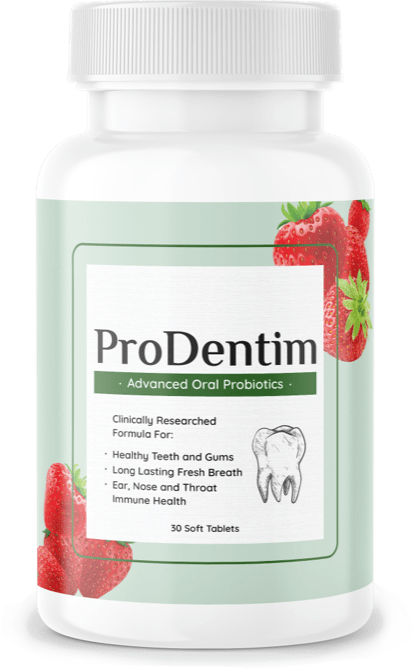
ProDentim
A probiotic-style oral wellness supplement. We look at how it's positioned, the claims, and what to weigh up before buying.
Read Our Review
Dental & Oral Wellness
GumAktiv
An independent look at GumAktiv, its positioning, intended use, available ingredient information, and key considerations.
Read Our Review
Dental & Oral Wellness
Synadentix
An independent look at Synadentix, its positioning, intended use, available ingredient information, and key considerations.
Read Our ReviewRelated buying guides
Ready to compare options? These guides break down products in this category using clearly explained criteria.
Affiliate disclosure: Some links on this page are affiliate links. If you purchase through one of these links, we may receive a commission at no additional cost to you. Affiliate relationships do not determine our editorial conclusions.
Health disclaimer: WellnessScopes provides general informational and educational content. This is not intended to diagnose, treat, cure or prevent any disease and should not replace professional medical advice. Consult a qualified healthcare professional regarding individual health concerns, medications or supplements.