Manual vs Electric Toothbrush: How to Choose
Explore the key differences, benefits, and considerations when choosing between a manual and electric toothbrush, with evidence-backed guidance to support your dental wellness.
Manual vs Electric Toothbrush: What’s the Difference?
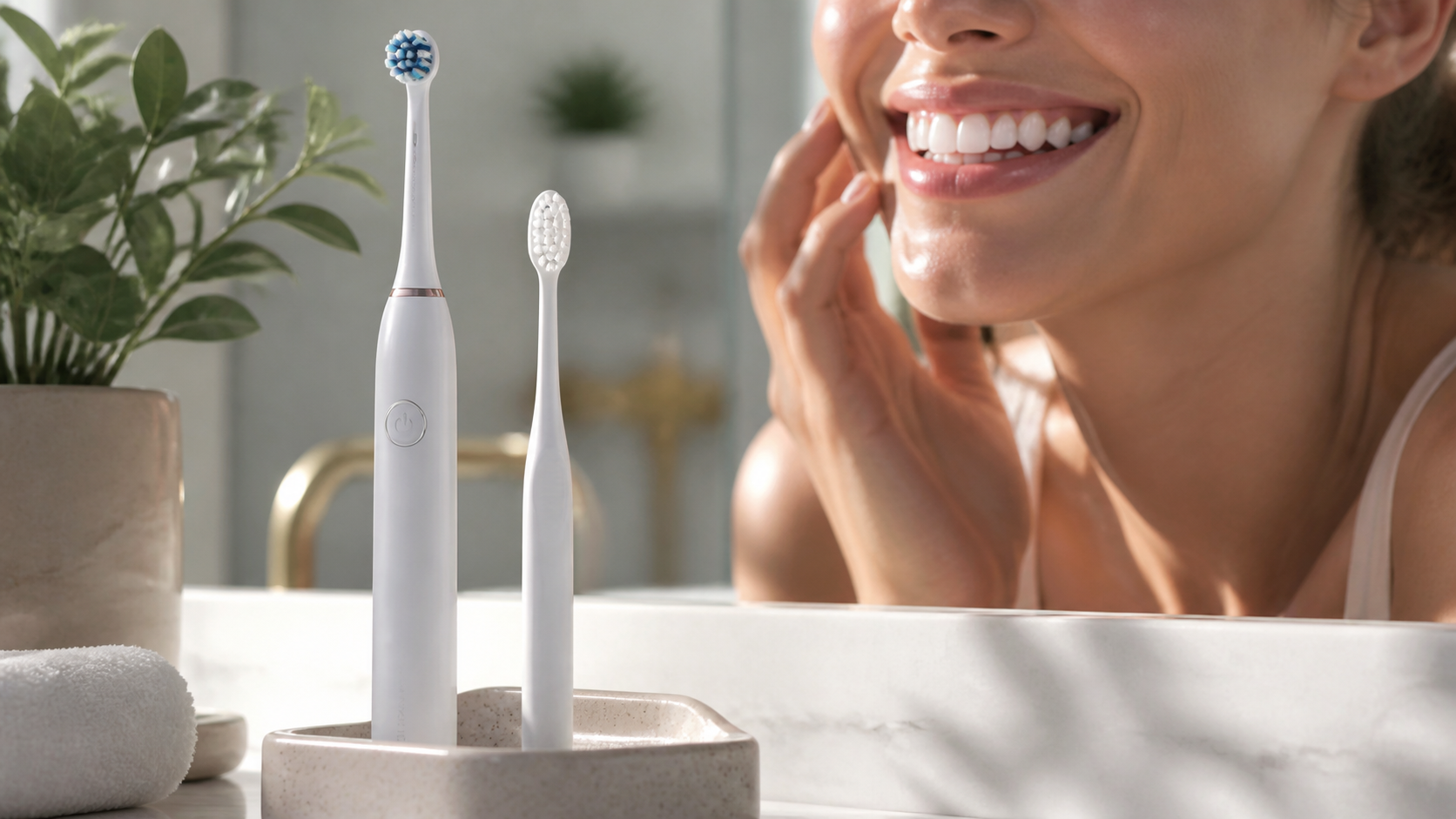
Manual toothbrushes are the traditional, non-powered brushes most people are familiar with. They rely entirely on your hand movements for cleaning. Electric toothbrushes, by contrast, use battery power or charging bases to automate the brushing motion, often offering oscillating, vibrating, or sonic movements. This automation is designed to make brushing efficient and consistent.
While both types serve the same primary function, their technology, user experience, and approaches to cleaning can influence which is right for you.
- Manual toothbrushes require full manual control and technique.
- Electric toothbrushes use automated movements for plaque removal.
- Both aim to support plaque removal and gum health.
Manual toothbrushes rely on your brushing technique, while electric toothbrushes use powered movements to assist your cleaning.
“The key differences between manual and electric toothbrushes lie in the way they clean and the experience they provide.”
The Benefits and Drawbacks of Manual Toothbrushes
Drawbacks include the potential to brush too hard or not thoroughly enough, especially if you struggle with mobility or have difficulty maintaining the recommended brushing technique. Manual toothbrushes also lack features like timers, which some people find useful for ensuring adequate brushing time.
- Affordable and accessible in most shops.
- Portable and travel-friendly with no charging required.
- Full user control, allowing for personalized technique.
- No built-in timers or pressure sensors.
- Effectiveness depends heavily on proper technique.
“Manual toothbrushes offer simplicity and full control but may demand more focus on technique to ensure optimal cleaning.”
Exploring Electric Toothbrush Benefits
According to NHS guidance, electric toothbrushes, particularly those with oscillating heads, may make it easier to remove plaque. This can be especially beneficial for individuals with limited dexterity, braces, or difficulty maintaining effective brushing motions with a manual toothbrush. Electric models may also help some users brush for a longer duration, as built-in timers provide feedback.
However, electric toothbrushes typically cost more than manual options and require charging or battery changes. Despite these considerations, their accessible technology can encourage better brushing habits for some people.
- Oscillating and vibrating heads can simplify effective brushing.
- Helpful features like timers and pressure sensors support consistency.
- Useful for those with mobility challenges or orthodontic appliances.
- Often more expensive and need regular recharging or battery swaps.
'Electric toothbrush benefits' are most apparent for those seeking extra support in their dental care routines or those with specific needs around dexterity.
“Electric toothbrushes may offer an easier path to thorough cleaning, especially for people who find manual brushing challenging.”
Brushing Technique: Why It Matters More Than You Think
Overly vigorous brushing, whether with a manual or electric brush, can contribute to gum irritation or enamel wear. It's essential to use a soft-bristled brush, angle it correctly, and avoid excessive pressure. For many, built-in timers or gentle reminders from some electric models may help ensure adequate brushing time, but manual toothbrushes can perform just as well when used mindfully.
If you want guidance on daily habits beyond brushing, supporting gum health with everyday routines can also play a role. For more on this, see how to support healthy gums with everyday habits.
- Technique determines how effectively plaque is removed.
- Both manual and electric brushes require adequate brushing time (about two minutes).
- Gentle pressure and soft bristles help protect gums and enamel.
- Consistency in your brushing routine is key.
Correct brushing matters more than brush type—brushing all surfaces gently for at least two minutes, twice daily, is the consistent recommendation from dental professionals.
“Your brushing technique is ultimately the most important factor in maintaining dental wellness, regardless of brush design.”
Choosing the Right Toothbrush for Your Needs
Additional factors to consider include: handle size and grip, bristle softness, head shape, availability of replacement brushes or heads, and cost. For children or those with limited hand movement, the powered assistance and engaging features of electric brushes can sometimes make oral care easier and more appealing. On the other hand, travel convenience and affordability often make manual brushes a preferred choice for those on the go.
- Consider your dexterity, comfort, and dental needs.
- Children and those with orthodontic appliances may benefit from electric toothbrushes.
- Soft bristles and a comfortable grip are important for any brush choice.
- Affordability and convenience may sway some toward manual brushes.
“The best toothbrush is the one you can use comfortably and correctly, twice a day.”
What Do Dental Professionals Recommend?
Your dentist or dental hygienist may have specific recommendations based on your oral health history, age, and any existing dental conditions. For instance, those with gum disease, limited mobility, or orthodontic appliances may benefit from an electric toothbrush, but a manual brush remains a solid choice when used correctly.
Routine dental checkups and professional advice remain the best sources of guidance for your individual needs.
- Both manual and electric toothbrushes are effective with good technique.
- Electric models might offer extra support for some users.
- A fluoride toothpaste is recommended regardless of brush type.
- Consult your dentist for personalized advice.
Dental professionals encourage a balanced approach focused on consistent technique, routine checkups, and fluoride toothpaste use.
“There is no one-size-fits-all answer—choose the toothbrush that helps you maintain regular and effective oral care.”
Practical Tips for Optimal Brushing
Always use a fluoride toothpaste, and rinse your brush after use, storing it to dry. If you have questions about technique or product selection, dental professionals can offer advice informed by your unique needs. Maintaining a regular routine and considering products that suit your individual requirements can support the long-term health of your teeth and gums.
- Brush twice daily for about two minutes each time.
- Replace your toothbrush or brush head regularly.
- Use a fluoride toothpaste for cavity protection.
- Consult with a dental professional for technique and product advice.
Good brushing habits, regardless of brush type, play a key role in supporting oral health and preventing dental problems.
“A consistent oral hygiene routine, tailored to your needs, is the foundation of healthy teeth and gums.”
Summary: Making an Informed Choice
Remember, regular brushing, use of a fluoride toothpaste, and dental checkups remain central to oral wellness. For more information on holistic dental care and related topics, visit our Dental & Oral Wellness section.
- Manual and electric brushes can both provide effective cleaning.
- Technique, routine, and fluoride toothpaste matter most.
- Your personal needs and preferences should guide your choice.
“Making an informed choice is about matching a toothbrush to your habits and oral health needs—not just following trends.”
Products Worth Exploring
Based on this article's topic, these are the wellness products we've reviewed that may be relevant. Each links to our independent review, where you can check product details before deciding.
Dental & Oral Wellness
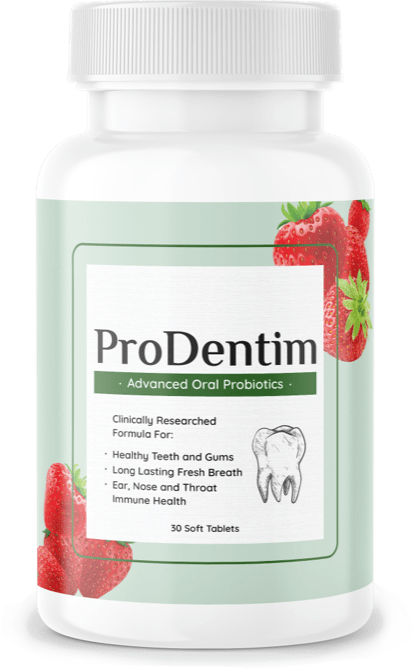
ProDentim
A probiotic-style oral wellness supplement. We look at how it's positioned, the claims, and what to weigh up before buying.
Read Our Review
Dental & Oral Wellness
GumAktiv
An independent look at GumAktiv, its positioning, intended use, available ingredient information, and key considerations.
Read Our Review
Dental & Oral Wellness
Synadentix
An independent look at Synadentix, its positioning, intended use, available ingredient information, and key considerations.
Read Our ReviewRelated buying guides
Ready to compare options? These guides break down products in this category using clearly explained criteria.
Affiliate disclosure: Some links on this page are affiliate links. If you purchase through one of these links, we may receive a commission at no additional cost to you. Affiliate relationships do not determine our editorial conclusions.
Health disclaimer: WellnessScopes provides general informational and educational content. This is not intended to diagnose, treat, cure or prevent any disease and should not replace professional medical advice. Consult a qualified healthcare professional regarding individual health concerns, medications or supplements.