Brushing Before Bed: How to Build a Consistent Routine
A practical guide to establishing an effective night brushing routine and understanding why brushing teeth before bed is a key habit for adult oral hygiene.
Why Brushing Teeth Before Bed Matters
Brushing teeth before bed is a cornerstone of effective oral hygiene among adults. Throughout the day, our mouths accumulate food particles, plaque (a sticky film of bacteria), and acids that can damage tooth enamel. Overnight, saliva production naturally decreases, reducing the mouth’s ability to cleanse itself. This environment allows bacteria and plaque to remain in contact with teeth for hours, which may contribute to tooth decay, gum irritation, and other problems.
Brushing before sleep helps remove this buildup, reducing the risk of waking with a dry mouth or lingering unpleasant breath. Removing debris and plaque at the end of the day is a simple but meaningful step in the daily care of your teeth and gums. Developing the habit of brushing teeth before bed may support a healthier smile in the long run, as even small, consistent efforts build towards lasting oral health.
- Removes food particles and plaque accumulated during the day
- Reduces overnight bacterial buildup
- Supports fresher breath upon waking
Saliva helps protect against tooth decay, but saliva flow drops at night, making brushing before bed especially important.
“Brushing before bed gives your teeth and gums a nightly reset, helping your mouth stay cleaner while you sleep.”
UK Oral Hygiene Guidance: What the NHS Advises
The National Health Service (NHS) in the UK recommends brushing teeth with fluoride toothpaste twice daily, once as the last thing before bed and once at another time during the day. The NHS specifically highlights the importance of the pre-bed brushing session for adults because it removes the day’s buildup and offers fluoride protection as you sleep.
The recommended technique is to brush for about two minutes, taking care to clean all surfaces of your teeth—including the inside, outside, and chewing edges. Use a gentle, circular motion, and focus on reaching the back teeth where plaque can accumulate. This guidance is designed to help protect enamel and support gum health without being abrasive.
- Brush twice daily: last thing at night and one other time
- Use fluoride toothpaste and brush for about two minutes
- Brush all tooth surfaces gently
NHS guidance is based on UK public health priorities and may differ from other countries’ oral care advice.
“According to UK NHS guidance, brushing before bed is essential for ongoing dental health.”
Establishing a Night Brushing Routine as an Adult
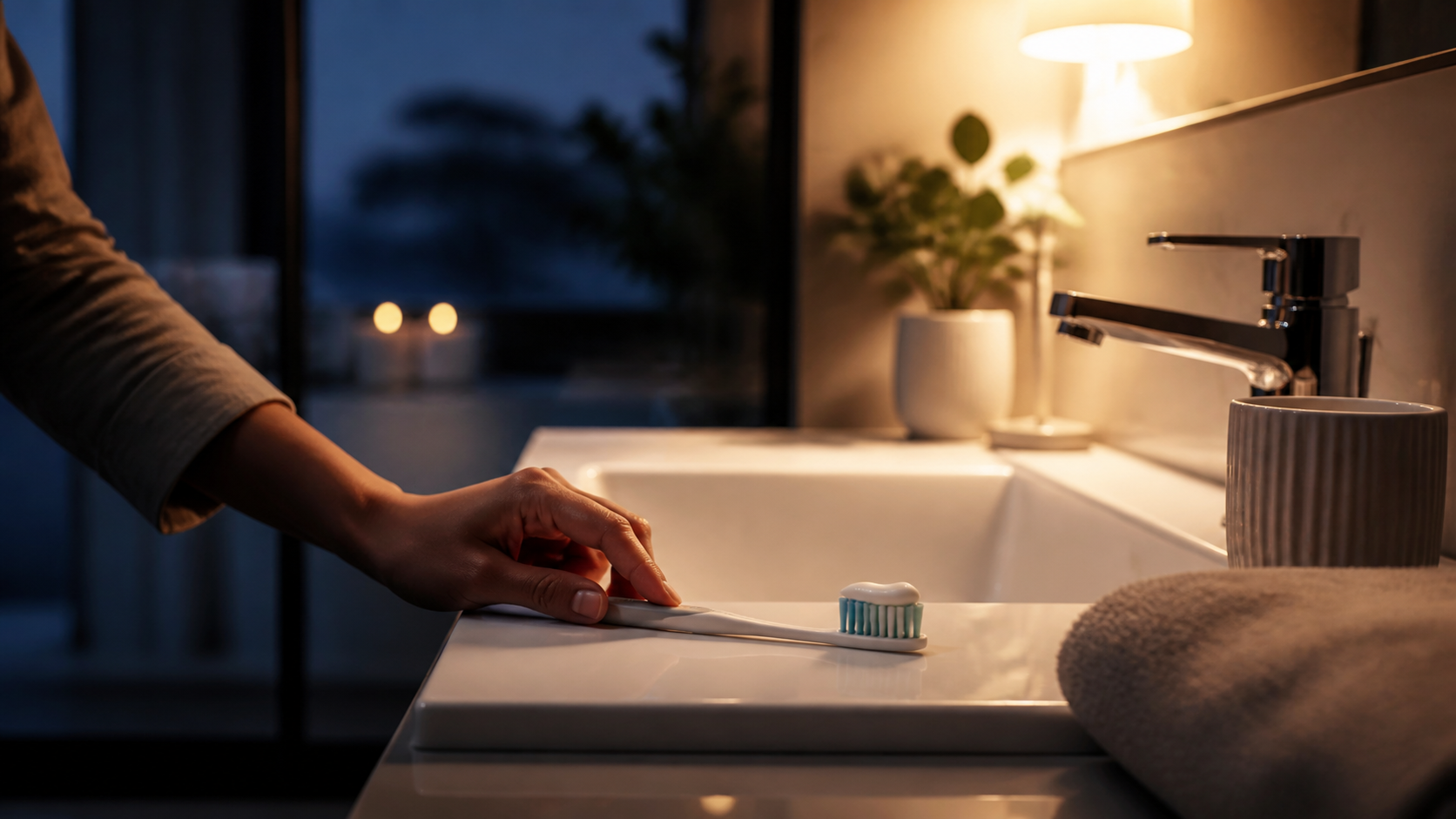
Building a consistent night brushing routine begins with scheduling—set a regular time each night that fits naturally into your evening rituals, such as just after your final meal or before winding down with relaxation routines. Keeping your toothbrush and fluoride toothpaste visible on the sink or near your nighttime essentials can serve as a gentle visual prompt.
Some adults find it helpful to pair brushing with another established habit, like washing your face or preparing clothes for the next day. Others use smartphone reminders or habit-tracking apps for gentle accountability. Experiment with cues, timing, and supportive routines until you find a pattern that feels sustainable and comfortable.
- Keep toothbrush and toothpaste visible to serve as a reminder
- Attach brushing to another evening habit
- Regular timing helps make brushing automatic
Consistency is more important than exact timing—choose a regular routine that works for your lifestyle.
“A reliable cue, such as brushing right before climbing into bed, makes it easier to build a new oral hygiene habit.”
When to Brush Teeth: Timing and Technique
The most important time to brush teeth is at night, just before going to bed, alongside an additional brush at another convenient time during the day. Brushing before sleep gives your teeth clean surfaces to benefit from the overnight presence of fluoride and reduces the length of time that sugars and acids remain on teeth.
For proper technique, use a soft-bristled toothbrush and apply gentle pressure to avoid damaging gums or enamel. Focus on each tooth individually, taking extra care in hard-to-reach places. Replace your toothbrush every three to four months or sooner if the bristles have become frayed.
- Brush at night before sleep and at another time, such as after breakfast or lunch
- Use a soft-bristled brush with gentle, circular motions
- Change your toothbrush regularly for best results
If you consume acidic foods or drinks, wait at least 30 minutes before brushing to protect enamel.
“Brushing teeth before bed ensures plaque and food aren’t left on teeth overnight.”
Common Obstacles and How to Overcome Them
Even with the best intentions, adults sometimes skip brushing teeth before bed due to tiredness, changing schedules, or simple forgetfulness. One helpful approach is to anticipate these hurdles—keep an extra toothbrush and toothpaste in more than one location, such as both upstairs and in a downstairs bathroom.
If you occasionally forget or feel too tired, avoid self-criticism and instead refocus on the next opportunity to brush. Adjusting your routine so that brushing becomes the signal to start winding down can also reinforce the habit. Over time, a little preparation and flexibility can help make the nightly brushing routine second nature.
- Prepare for busy evenings by keeping brushing supplies handy
- Don’t be discouraged by occasional missed nights—restart promptly
- Brushing can signal the start of evening relaxation
If travel or social events disrupt your routine, carrying a travel toothbrush can help keep you on track.
“Strong habits are built through consistency, not perfection—focus on returning to your routine when needed.”
Night Brushing Routine and Healthy Gums
Establishing a reliable night brushing routine is not only important for teeth but may also help support gum health. Plaque buildup along the gumline is a main contributor to gum irritation and, if left unaddressed, may be associated with gum problems.
Brushing teeth before bed removes the day’s soft plaque and may reduce the risk of waking up with gum discomfort or bleeding during brushing. For more information on daily gum care, see the article on how to support healthy gums everyday habits.
- Plaque can accumulate along the gums without nightly brushing
- Removing debris at night may support more comfortable gums
- Daily routines matter as much as technique
Regular brushing is just one element in maintaining gum health—routine dental checkups and other daily habits play a role.
“A solid night brushing routine helps clear away substances that may contribute to gum irritation.”
Spitting Versus Rinsing: What to Know
After brushing with fluoride toothpaste, the NHS recommends spitting out excess toothpaste rather than rinsing your mouth immediately with water. Spitting helps leave more fluoride on tooth surfaces, where it can offer longer-lasting protection while you sleep. Rinsing immediately after brushing reduces this beneficial effect by washing away the concentrated fluoride.
If you feel the need to rinse, try using only a small sip of water or wait a few minutes before doing so. This small tweak can make your night brushing routine even more effective.
- Spit out toothpaste instead of rinsing for better fluoride retention
- Immediate rinsing reduces the benefits of fluoride toothpaste
- Try minimal or delayed rinsing if needed
Leaving fluoride on your teeth overnight may enhance its protective properties, according to NHS advice.
“A simple habit change—spitting instead of rinsing—can make your brushing routine more effective.”
Building Lasting Oral Hygiene Habits
Turning brushing teeth before bed into a lasting routine requires small, repeatable steps rather than dramatic changes. Habit-building experts suggest focusing on consistency, making each step as easy as possible, and rewarding yourself for following through.
Tracking progress, sharing your goals with a family member, or marking a calendar can make the process more engaging. Linking your night brushing routine with another enjoyable activity, such as listening to calming music, can also serve as a gentle cue.
- Start with achievable goals, such as brushing at the same time each night
- Pair brushing with evening relaxation cues
- Find accountability through routines or reminders
Sustained routines, rather than perfection, have the greatest impact on oral hygiene over time.
“The best oral hygiene habits are those you’ll maintain consistently, night after night.”
More Resources for Dental Wellness
If you have ongoing dental concerns, consult a dental professional for guidance tailored to your needs. Robust oral hygiene routines, together with appropriate professional care, can help you maintain a healthier mouth for years to come.
- Night brushing is part of wider oral care
- Explore further guidance for gum health and daily routines
- Professional advice supports individual needs
UK oral health guidance is designed for adults; consult your dentist for advice specific to your circumstances.
“Developing a reliable night brushing routine is the foundation for lifelong dental wellness.”
Products Worth Exploring
Based on this article's topic, these are the wellness products we've reviewed that may be relevant. Each links to our independent review, where you can check product details before deciding.
Dental & Oral Wellness
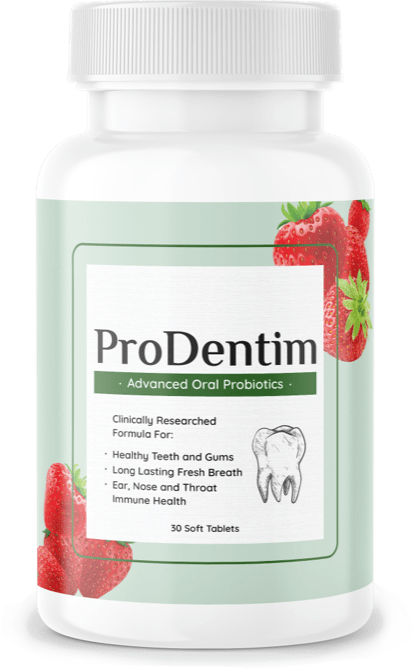
ProDentim
A probiotic-style oral wellness supplement. We look at how it's positioned, the claims, and what to weigh up before buying.
Read Our Review
Dental & Oral Wellness
GumAktiv
An independent look at GumAktiv, its positioning, intended use, available ingredient information, and key considerations.
Read Our Review
Dental & Oral Wellness
Synadentix
An independent look at Synadentix, its positioning, intended use, available ingredient information, and key considerations.
Read Our ReviewRelated buying guides
Ready to compare options? These guides break down products in this category using clearly explained criteria.
Affiliate disclosure: Some links on this page are affiliate links. If you purchase through one of these links, we may receive a commission at no additional cost to you. Affiliate relationships do not determine our editorial conclusions.
Health disclaimer: WellnessScopes provides general informational and educational content. This is not intended to diagnose, treat, cure or prevent any disease and should not replace professional medical advice. Consult a qualified healthcare professional regarding individual health concerns, medications or supplements.