Should You Rinse After Brushing? Fluoride Toothpaste Explained
Is rinsing after brushing with fluoride toothpaste helpful or does it wash away cavity protection? Discover expert-backed guidance to support your daily brushing habits and oral health.
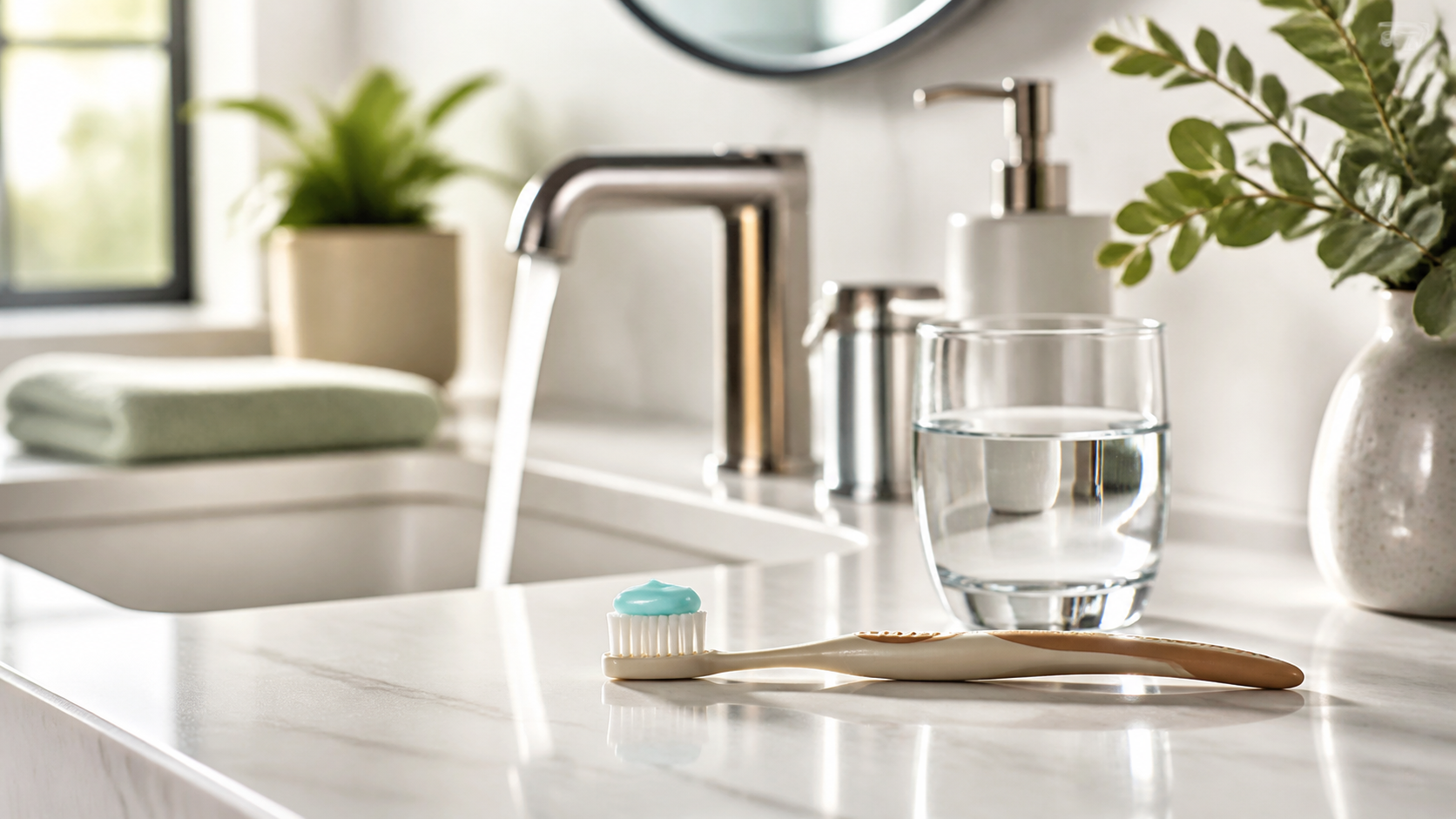
Why Rinsing After Brushing Is Debated
Many people grow up learning to rinse thoroughly after brushing their teeth, thinking it is part of proper oral hygiene. However, dental professionals and oral health organisations have increasingly highlighted the impact rinsing can have on the effectiveness of fluoride toothpaste. The debate centres on whether rinsing with water after brushing may actually reduce the protective benefits fluoride provides. As greater attention is paid to cavity prevention and dental wellness, understanding the implications of rinsing (or not rinsing) is more important than ever for daily brushing routines.
Rinsing habits can directly influence how much fluoride remains on your teeth after brushing.
“Rinsing after brushing can change how much fluoride stays on your teeth—affecting how long its protective benefits last.”
What Happens When You Rinse After Brushing?
After brushing, many reach for water to rinse away toothpaste residue, aiming for a clean and fresh feeling. However, when you rinse thoroughly with water directly after brushing, you may be washing away much of the fluoride that the toothpaste deposits on your teeth. Fluoride works by strengthening the tooth enamel and making teeth more resistant to decay over time. Rinsing immediately can dilute and remove the concentrated fluoride, reducing its time to act on tooth surfaces. While rinsing may be familiar or feel comfortable, its impact on fluoride retention is at the heart of the ongoing debate.
- Rinsing right after brushing can remove helpful fluoride from tooth surfaces.
- Fluoride helps strengthen enamel, especially when allowed to remain on teeth.
- Habitual rinsing is common, but may not support maximum benefit from fluoride toothpaste.
Leaving a thin layer of toothpaste on your teeth after brushing can increase contact time with fluoride.
“A quick rinse might leave your mouth feeling fresh, but it reduces the long-acting benefits of fluoride.”
The Science Behind 'Spit, Don't Rinse'
Dental experts often recommend the 'spit, don’t rinse' approach after brushing with fluoride toothpaste. This means spitting out the excess toothpaste foam, but not rinsing with water immediately. Scientific evidence suggests that this method helps retain more fluoride on the teeth, which in turn provides a longer duration of protective effect against cavities. The underlying theory is straightforward: the longer fluoride remains in contact with tooth enamel, the greater its potential benefit. Over time, adopting this habit may contribute to stronger and more resilient teeth. However, individual dental needs vary, and it is important to follow personalised advice from a dental professional if you have particular oral health concerns.
- ‘Spit, don’t rinse’ helps prolong fluoride exposure on teeth.
- Greater fluoride retention may support cavity prevention.
- Always follow specific dental advice if you have unique oral health needs.
Many leading dental associations, including the NHS, recommend spitting instead of rinsing after brushing to optimise the effect of fluoride toothpaste.
“Spitting out excess toothpaste instead of rinsing may be a simple step for stronger tooth enamel.”
Understanding Fluoride Toothpaste Benefits
Fluoride toothpaste is a mainstay of modern dental care due to its cavity-fighting properties. Fluoride strengthens tooth enamel and makes it more resistant to acidic attacks from sugars and plaque bacteria. When left on the teeth after brushing, fluoride can continue to act even after you leave the bathroom. This ongoing contact supports remineralisation, an essential process for keeping teeth healthy. Regular use of fluoride toothpaste, alongside advice from your dental professional, is a core pillar of daily dental wellness.
- Fluoride supports enamel remineralisation and decay resistance.
- Leaving fluoride toothpaste residue on teeth enhances its protective role.
- Fluoride toothpaste is widely recommended for most age groups.
The routine use of fluoride toothpaste is a well-established method for preventing cavities.
“Fluoride toothpaste works best when it can stay on your teeth after brushing.”
Current NHS and Dental Guidance
The NHS and many dental authorities currently advise not rinsing with water after brushing with fluoride toothpaste. The guidance is based on evidence that rinsing significantly decreases the fluoride left on the teeth, potentially weakening its protective effect. For most people, especially adults and children over a certain age, the 'spit, don’t rinse' routine is encouraged. Exceptions can exist for individuals with special oral health needs, allergies, or guidance from a dental professional. It is important to adjust your oral care routine according to both general recommendations and any personal medical or dental advice you receive.
- NHS advice supports spitting, not rinsing, after brushing.
- Following this advice may improve cavity protection.
- Always tailor your oral health routine to your personal needs and professional recommendations.
You can explore further practical advice and broader dental wellness information by visiting our comprehensive <a href="https://wellnessscopes.com/journal/oral-and-gum-wellness-guide">Oral and Gum Wellness Guide</a>.
“NHS guidance recommends spitting without rinsing to maximise the benefits of fluoride toothpaste.”
Common Brushing Advice Myths and Facts
Many long-held beliefs about toothbrushing endure, but not all are rooted in current science. For example, the idea that you must rinse thoroughly after brushing is outdated based on modern fluoride toothpaste recommendations. Myth-busting is important—rinsing isn’t harmful, but it does reduce fluoride benefit. Other common ideas, such as needing to brush hard for a clean mouth, are also misleading; gentle, thorough brushing is generally preferable. Staying up to date with evidence-based oral care advice ensures your daily habits truly support dental wellness.
- Myth: You must rinse after brushing—Fact: Spitting leaves more fluoride to protect teeth.
- Myth: Hard brushing cleans better—Fact: Gentle, thorough brushing is usually best.
- Keeping informed can help you update your daily dental routine for better results.
Swallowing toothpaste can be harmful, especially for young children. Always use only a pea-sized amount for children and ensure they spit after brushing.
“Rinsing after brushing is not required for most people and may actually limit the protective power of your toothpaste.”
Practical Tips for Your Brushing Routine
To get the most from your fluoride toothpaste, consider adapting your brushing habits. Spit out excess toothpaste after brushing but avoid rinsing immediately with water. Letting the residue sit on your teeth for a little while helps prolong fluoride contact. Brush gently with a soft-bristled toothbrush, and ensure you reach all tooth surfaces, including the back teeth and along the gumline. Replace your toothbrush regularly and attend dental checkups as advised by a dental professional. For children, always supervise brushing and follow age-appropriate toothpaste use.
- Spit, don’t rinse, for better fluoride retention.
- Brush all surfaces gently with a soft-bristled toothbrush.
- Supervise children’s brushing and use a pea-sized amount of toothpaste.
Small changes to your brushing routine can enhance the benefits of your daily oral care.
“Letting fluoride toothpaste remain on your teeth after brushing can help boost its cavity-fighting potential.”
Oral Health Beyond Brushing: What Else Matters
While effective brushing techniques help maintain oral wellness, other lifestyle habits play a crucial role. Limiting sugary foods and drinks, staying hydrated with water, avoiding tobacco, and maintaining regular dental visits can all contribute to healthier teeth and gums. Flossing or using interdental brushes supports thorough cleaning between teeth where brushing alone may not reach. Adopting a holistic approach to oral health ensures you benefit fully from your daily habits.
- Limit sugary snacks and drinks to reduce cavity risk.
- Clean between teeth daily with floss or interdental brushes.
- Regular dental checkups and advice support lifelong oral wellness.
Oral wellness is about more than brushing—diet, hydration, and hygiene all work together for healthier teeth and gums.
“Good oral health is built on brushing, but supported by what you eat, drink, and how you care for your mouth every day.”
Products Worth Exploring
Based on this article's topic, these are the wellness products we've reviewed that may be relevant. Each links to our independent review, where you can check product details before deciding.
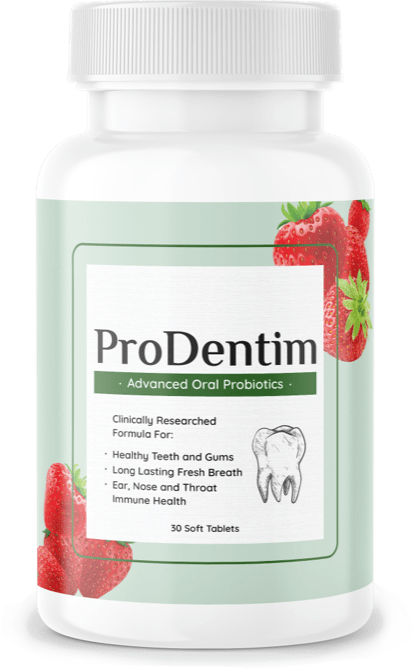
Dental & Oral Wellness
ProDentim
A probiotic-style oral wellness supplement. We look at how it's positioned, the claims, and what to weigh up before buying.
Read Our Review
Dental & Oral Wellness
GumAktiv
An independent look at GumAktiv, its positioning, intended use, available ingredient information, and key considerations.
Read Our Review
Dental & Oral Wellness
Synadentix
An independent look at Synadentix, its positioning, intended use, available ingredient information, and key considerations.
Read Our ReviewRelated buying guides
Ready to compare options? These guides break down products in this category using clearly explained criteria.
Affiliate disclosure: Some links on this page are affiliate links. If you purchase through one of these links, we may receive a commission at no additional cost to you. Affiliate relationships do not determine our editorial conclusions.
Health disclaimer: WellnessScopes provides general informational and educational content. This is not intended to diagnose, treat, cure or prevent any disease and should not replace professional medical advice. Consult a qualified healthcare professional regarding individual health concerns, medications or supplements.