Fluoride Toothpaste: Common Questions About Everyday Use
Discover how fluoride toothpaste supports dental health, how to use it correctly, and answers to common concerns about daily brushing routines.
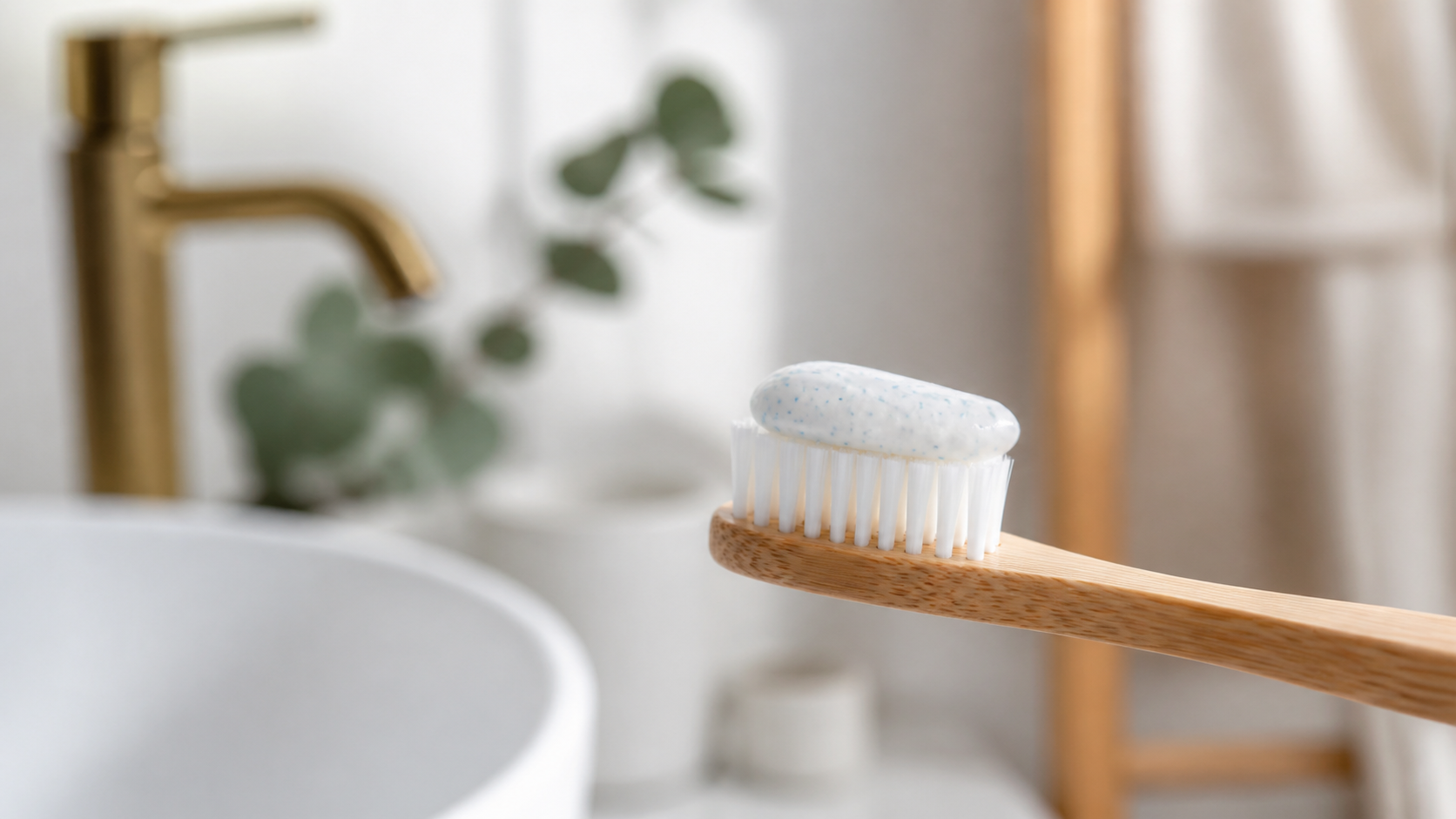
What Is Fluoride Toothpaste?
Within the UK and many other countries, using fluoride toothpaste is part of established oral health guidance aimed at helping to lower the risk of tooth decay and support long-term dental wellness. There are different varieties of fluoride toothpaste, some with ingredients also targeting sensitivity, whitening, or gum health; however, the main purpose remains to deliver fluoride to the surfaces of the teeth during everyday brushing.
- Contains fluoride, a mineral that supports tooth strength
- Commonly recommended for daily dental care
- Varieties available for specific needs (sensitivity, whitening, etc.)
Fluoride toothpaste is recommended by public health authorities as a core part of daily oral care.
“Fluoride toothpaste provides an effective and accessible way to support daily dental health.”
How Does Fluoride Toothpaste Work?
Regular exposure to fluoride through toothpaste can contribute to lowering the risk of developing dental cavities. It also helps repair the earliest stages of tooth enamel breakdown. The routine use of fluoride toothpaste is a widely supported component of preventive dental care, as outlined by the NHS and other dental authorities.
- Fluoride is absorbed into tooth enamel during brushing
- Helps make teeth more resistant to acid and plaque
- Can contribute to repairing very early enamel breakdown
Enamel is the tough outer surface of the tooth that protects against decay.
“Consistent use of fluoride toothpaste supports enamel protection every day.”
The Benefits of a Fluoride Brushing Routine
In addition, practicing a well-established brushing routine supports overall oral cleanliness and fresher breath. NHS guidance highlights fluoride toothpaste as a key part of standard oral care measures for both children and adults.
- Promotes remineralisation and tooth strength
- Linked with lower risk of cavities and gum issues when used as directed
- Supports daily oral cleanliness and fresh breath
An effective oral care routine pairs fluoride toothpaste with correct brushing technique and regular professional dental care.
“A fluoride brushing routine is a simple daily commitment to healthier teeth and gums.”
Fluoride Toothpaste for Different Age Groups
Parents and carers should help or supervise young children, make sure they do not eat toothpaste from the tube, and ask a dentist about advice for their child’s needs. Readers outside the UK should also follow their local dental guidance and product labels.
- Under three: a smear of fluoride toothpaste containing at least 1,000ppm under NHS guidance
- Ages three to six: a pea-sized amount of 1,000ppm to 1,500ppm fluoride toothpaste
- Ages seven and over: 1,350ppm to 1,500ppm fluoride toothpaste under NHS guidance
Children’s toothpaste usually contains less fluoride and should be used with care according to age-specific guidance.
“Age-specific recommendations for fluoride toothpaste help keep oral care both safe and effective.”
How Much Toothpaste Should You Use?
Adults should use fluoride toothpaste in an amount suitable for their toothbrush and the product directions; adding a large amount is no substitute for brushing all tooth surfaces thoroughly. Supervise children, keep toothpaste out of reach when appropriate, and consult a dentist or local guidance if you are unsure which product or strength is suitable.
- Use a smear for children under three under NHS guidance
- Use a pea-sized amount for children aged three to six under NHS guidance
- Check product directions and ask a dentist for advice specific to your child
Dental professionals can guide families in choosing and using toothpaste for every stage of life.
“A little toothpaste goes a long way—pea-sized for most, less for the youngest.”
Should You Spit or Rinse After Brushing?
Rinsing immediately after brushing can wash away the concentrated fluoride left on tooth surfaces, reducing its beneficial effects. Adopting the spit, don’t rinse method is a small but effective change in supporting oral wellness.
- Spit, don’t rinse: let fluoride remain on your teeth longer
- Rinsing can dilute and remove beneficial fluoride from teeth
- This simple step can increase the protective effect of brushing
Leaving fluoride on your teeth after brushing may help increase its benefit in reducing decay risk.
“Spit don’t rinse: a quick change that can make your brushing routine more effective.”
Common Questions About Daily Fluoride Toothpaste Use
Is fluoride toothpaste safe for daily use?
When used as directed, fluoride toothpaste is considered safe for most individuals and is recommended for everyday use.
Can fluoride toothpaste replace professional dental care?
No, while fluoride toothpaste is important for daily care, it should be used alongside regular professional checkups and cleanings as recommended by your dental professional.
Is it necessary to use mouthwash after brushing?
If you choose to use mouthwash, consider using it at a different time of day than brushing, since some mouthwashes may wash away fluoride from toothpaste.
- Daily use of fluoride toothpaste is widely supported for most people
- Should be combined with regular professional dental care
- Mouthwash may be used, but not immediately after brushing
Regular dental checkups and cleaning complement your daily use of fluoride toothpaste.
“Fluoride toothpaste is an important tool, but it works best as part of a complete oral care routine.”
Addressing Concerns About Fluoride
If you are concerned about a child’s toothpaste, have questions about local drinking-water fluoride, or have noticed an unusual reaction, speak with a dentist or another appropriate health professional. Avoid changing a child’s fluoride toothpaste strength solely on the basis of a general article.
- Follow age-appropriate local advice and the product label
- Supervise young children and discourage swallowing toothpaste
- Ask a dentist when you need advice tailored to a child
If you have questions about fluoride, your dentist is the best source for tailored advice.
“The safety of fluoride toothpaste is supported by extensive research and ongoing review.”
Creating a Healthy Oral Care Routine
A healthy oral care routine also involves limiting sugary foods and drinks, drinking water regularly, and using toothpaste appropriate for your age and needs. If you have specific questions about your dental care, consider reaching out to your dental professional or exploring comprehensive guidance, such as the oral and gum wellness guide available here on WellnessScopes.
- Brush twice a day with fluoride toothpaste
- Clean between teeth to remove additional plaque
- See your dentist regularly as recommended
Daily brushing, cleaning between teeth, and professional care together support oral health at every stage of life.
“Your oral hygiene routine is most effective when made up of small, consistent habits.”
Further Reading and Resources
- Check reputable sources for the latest oral health guidance
- Dental professionals offer the best advice for individual needs
- WellnessScopes features dedicated oral and gum health guidance
Continued learning can help empower your oral wellness routine.
“Access reliable resources to keep your oral care knowledge up to date.”
Products Worth Exploring
Based on this article's topic, these are the wellness products we've reviewed that may be relevant. Each links to our independent review, where you can check product details before deciding.
Dental & Oral Wellness
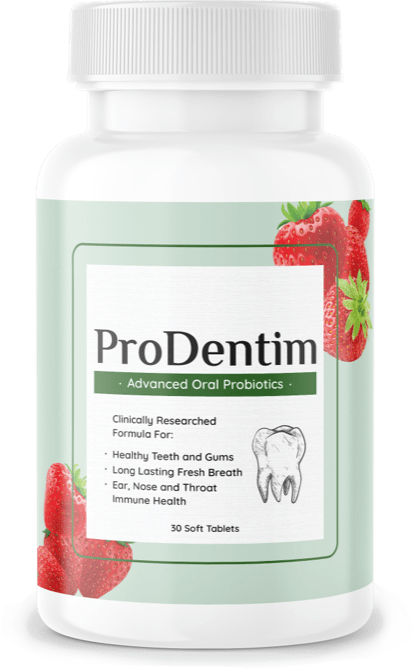
ProDentim
A probiotic-style oral wellness supplement. We look at how it's positioned, the claims, and what to weigh up before buying.
Read Our Review
Dental & Oral Wellness
GumAktiv
An independent look at GumAktiv, its positioning, intended use, available ingredient information, and key considerations.
Read Our Review
Dental & Oral Wellness
Synadentix
An independent look at Synadentix, its positioning, intended use, available ingredient information, and key considerations.
Read Our ReviewRelated buying guides
Ready to compare options? These guides break down products in this category using clearly explained criteria.
Affiliate disclosure: Some links on this page are affiliate links. If you purchase through one of these links, we may receive a commission at no additional cost to you. Affiliate relationships do not determine our editorial conclusions.
Health disclaimer: WellnessScopes provides general informational and educational content. This is not intended to diagnose, treat, cure or prevent any disease and should not replace professional medical advice. Consult a qualified healthcare professional regarding individual health concerns, medications or supplements.