How Often Should You Have a Dental Checkup? Individual Needs Explained
Dental checkup timing varies by oral health risk. Learn how your dentist sets the next visit and why NHS intervals differ for adults and under-18s.

Why Dental Checkup Frequency Is Not One-Size-Fits-All
Dental checkup frequency is determined by evaluating the health of your teeth, gums, and mouth as well as your risk for developing problems such as tooth decay and gum disease. For some individuals, annual visits may be adequate; for others, especially those at higher risk, more frequent appointments may be advised. This personalized approach helps ensure that emerging issues are identified and managed appropriately, promoting long-term oral wellness without unnecessary appointments.
Dental checkup intervals are not universally fixed—your optimal schedule depends on your oral health and your dentist's assessment.
“Checkup frequency is individual—your dentist decides based on your health, not a one-size-fits-all rule.”
Factors That Influence How Often to See the Dentist
- Personal Oral Health History: Previous tooth decay, gum disease, or dental treatments make more frequent checks prudent.
- Gum Health: Signs of gum inflammation or bleeding may mean you need closer monitoring.
- Lifestyle Choices: Smoking, high sugar intake, or poor oral hygiene can increase your risk for dental issues.
- Medical Conditions: Certain systemic conditions like diabetes can influence your likelihood of oral health problems.
- Age: Older adults and children may have different needs and risk factors.
- Medication Use: Some medicines increase dry mouth or affect gum health, requiring more attention.
- Oral health history
- Gum condition
- Lifestyle and dietary factors
- Medical conditions
- Age and medication use
If your risk factors increase over time, your dentist might suggest shorter intervals between checkups.
“Risk factors like past dental issues or certain medical conditions may mean more frequent checkups are needed.”
What Happens During a Dental Appointment
- An examination of teeth, gums, tongue, and mouth tissues for signs of disease or decay.
- Checking for early signs of mouth cancer or other conditions.
- Assessment of oral hygiene and advice on improving at-home brushing and flossing routines.
- Monitoring existing dental work such as fillings, crowns, or bridges.
- Guidance on risk factors such as smoking, diet, or medication.
- Dental examination and mouth cancer screening
- Review of dental work
- Hygiene advice
Dental appointments are about more than just cleaning—they are essential for monitoring your complete oral and gum health.
“Routine checkups go beyond cleaning—they help catch problems early and support long-term oral wellness.”
UK Dental Checkup Guidance and How It Works
The NHS dental system operates differently from some private and international practices. NHS checkup intervals are part of ongoing oral care and are tailored by your NHS dentist. Regular checks can help identify problems early so your dentist can advise on appropriate care. For anyone attending NHS dental appointments, there’s no universal “every six months” rule; the recommendation is made with your unique oral health in mind.
- For adults, intervals may range from 3 months to 2 years
- For people under 18, the maximum interval is 1 year
- No universal 6-month requirement
- Tailored to your oral health risk
NHS dental checkup guidance emphasizes individual assessment—speak with your NHS dentist about your recommended interval.
“In the UK, the NHS tailors checkup intervals to your individual oral health rather than following a set schedule.”
How Your Dentist Decides Your Oral Health Check Schedule
- The condition of teeth and gums
- Your personal and family dental history
- Health and lifestyle changes since your last visit
- Signs of specific risks like gum disease or tooth decay
- Dental findings at your current appointment
- Changes in oral health or lifestyle
- Risk assessment for dental problems
Expect your oral health check schedule to change over time as your risk factors and dental health evolve.
“Your recommended checkup interval is designed specifically for you, not set in stone for everyone.”
Risks of Skipping Dental Checkups
Potential risks of skipping checkups include:
- Undetected tooth decay and gum disease, which may progress without obvious pain
- Chance of more complex dental treatments if issues are left unmanaged
- Missed early signs of oral cancer or other mouth conditions
- Late intervention, which can result in greater long-term costs or tooth loss
- Increased risk of unaddressed dental problems
- Possible need for more complex treatments
- Delayed detection of serious mouth conditions
Skipping checkups can mean missing early-stage dental issues, which are easier and less costly to address when caught promptly.
“Ignoring routine checkups can let small issues become more serious and challenging to manage.”
Signs You May Need an Earlier Dental Appointment
- Persistent toothache or unexplained pain
- Bleeding gums or gum swelling
- Sensitivity when eating or drinking
- New lumps, patches, or mouth ulcers lasting more than two weeks
- Loose teeth or changes in how your teeth fit together
- Persistent pain or swelling
- Bleeding gums or increased sensitivity
- Mouth changes or ulcers lasting over 2 weeks
Any persistent or unusual changes in your mouth warrant a timely dental appointment, regardless of your planned checkup frequency.
“If you notice something unusual in your mouth, don’t wait for your next routine visit—see your dentist sooner.”
How to Make the Most of Your Dental Visits
- Make a note of any changes since your last appointment—pain, sensitivity, or bleeding
- Ask questions about brushing or flossing techniques
- Discuss lifestyle factors such as diet, smoking, or medication use
- Bring up any worries about past dental work or recent changes to your health
- Request personalized advice on keeping your teeth and gums healthy between visits
- Keep track of oral changes or symptoms
- Prepare questions about oral hygiene
- Discuss lifestyle and medications
Your input and questions during each dental appointment help ensure that your checkup is tailored to your evolving needs.
“Being proactive before and during checkups helps you work with your dentist to protect your dental health.”
Supporting Oral and Gum Wellness Between Checkups
- Brushing twice daily with fluoride toothpaste
- Cleaning between teeth with floss or interdental brushes
- Limiting sugary foods and drinks to reduce decay risk
- Not smoking, as tobacco can raise the risk of gum and dental issues
- Staying hydrated, especially if you have a dry mouth from medication
- Twice-daily brushing and flossing
- Healthy diet and hydration
- Avoid tobacco and limit sugars
Consistent home care is the foundation of good dental health between checkups—good habits help keep your checkup intervals longer.
“Supporting your oral health at home is just as important as attending your dental appointments.”
Products Worth Exploring
Based on this article's topic, these are the wellness products we've reviewed that may be relevant. Each links to our independent review, where you can check product details before deciding.
Dental & Oral Wellness
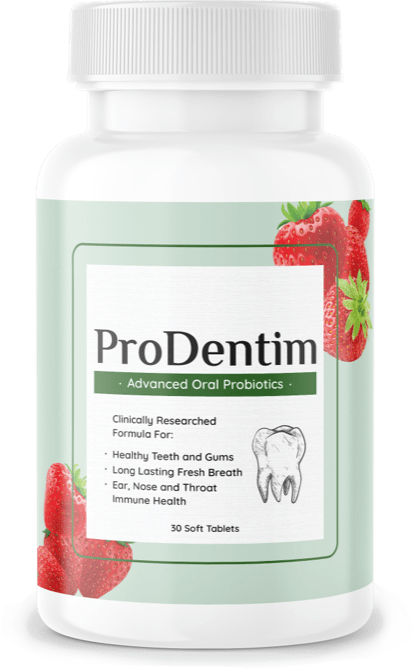
ProDentim
A probiotic-style oral wellness supplement. We look at how it's positioned, the claims, and what to weigh up before buying.
Read Our Review
Dental & Oral Wellness
GumAktiv
An independent look at GumAktiv, its positioning, intended use, available ingredient information, and key considerations.
Read Our Review
Dental & Oral Wellness
Synadentix
An independent look at Synadentix, its positioning, intended use, available ingredient information, and key considerations.
Read Our ReviewRelated buying guides
Ready to compare options? These guides break down products in this category using clearly explained criteria.
Affiliate disclosure: Some links on this page are affiliate links. If you purchase through one of these links, we may receive a commission at no additional cost to you. Affiliate relationships do not determine our editorial conclusions.
Health disclaimer: WellnessScopes provides general informational and educational content. This is not intended to diagnose, treat, cure or prevent any disease and should not replace professional medical advice. Consult a qualified healthcare professional regarding individual health concerns, medications or supplements.