Toothache: Common Causes and When to Contact a Dentist
Toothache can have several causes. Learn common reasons for tooth pain, warning signs, and when to contact a dentist for professional assessment.

Understanding Toothache: More Than Just Tooth Pain
Beyond simple discomfort, tooth pain can signal an underlying issue within the tooth structure, gum tissue, or the surrounding bone. Recognizing the early warning signs and understanding that not all dental pain is the same can help you decide when to seek professional care and avoid self-diagnosis. Dental professionals can assess the underlying cause of toothache and recommend appropriate care to support your oral health.
- Toothache can range from mild discomfort to severe, persistent pain.
- The sensation may be triggered by temperature changes, pressure, or sweetness.
- Pain can indicate problems with teeth, gums, or surrounding structures.
Not every toothache signals a severe problem, but ongoing or intense pain should not be ignored. Early evaluation by a dental professional is always preferable to self-diagnosis.
“Persistent tooth pain is a signal from your body that something may need attention.”
Tooth Decay: The Most Common Cause of Toothache
When decay reaches the deeper layers, it can irritate the tooth’s nerve (pulp), causing sensitivity, pain when chewing, or spontaneous throbbing. If left untreated, decay can worsen and lead to more serious dental infections. Regular brushing with fluoride toothpaste, reducing sugary snacks, and attending dentist-recommended checkups are essential habits to help lower the risk of tooth decay and related discomfort.
- Early decay may cause little or no pain.
- Pain often increases as decay progresses past the enamel into the pulp.
- Potential triggers include sweets, cold or hot foods, and biting pressure.
Maintaining consistent oral hygiene is the single most effective way to reduce the likelihood of decay-related toothache.
“Tooth decay can be silent at first, but toothaches are often its first warning sign.”
Other Toothache Causes: Cracks, Damage, and Wear
Even small cracks or worn areas may not be visible, but they can still cause heightened sensitivity or pain during chewing. Repeated stress—such as nighttime grinding—also wears away protective enamel, making teeth more susceptible to both discomfort and decay. If you suspect your tooth pain might be due to damage, a dental examination is essential. Dentists use specialized tools to locate cracks that might not be visible to the naked eye.
- Cracked or broken teeth can trigger sharp, localized pain.
- Bruxism (teeth grinding) often leads to tooth wear and sensitivity.
- Not all cracks are visible without professional evaluation.
A sudden onset of pain while chewing can indicate a cracked tooth and warrants prompt dental attention.
“Even invisible cracks in teeth can be a source of persistent discomfort and require expert assessment.”
Gum Disease and Tooth Pain
More advanced disease (periodontitis) can harm the structures supporting teeth, leading to pain, loosening of teeth, and even tooth loss if left unmanaged. While the dominant symptom is typically gum discomfort, pain can radiate into the teeth, especially in severe or acute infections. Maintaining oral hygiene and seeking dental advice if you notice gum changes are critical for early intervention.
- Red, swollen, or bleeding gums are early warning signs.
- Severe gum disease can affect tooth stability and cause pain.
- Gum disease may not always be painful in the early stages.
Attending to mild gum symptoms early can help reduce the risk of more severe dental pain later.
“Healthy gums are essential for comfortable, pain-free teeth.”
Dental Infections and Abscesses
An untreated dental abscess is a potentially serious health issue that requires prompt professional attention. The infection can spread to other areas, increasing the risk of complications. If you suspect a dental abscess—especially if you experience swelling, fever, or difficulty opening your mouth—seek dental care immediately. The NHS highlights these symptoms as requiring urgent dental help in the UK.
- Abscesses often cause severe, throbbing, or constant pain.
- Symptoms may include swelling, fever, and a bad taste in the mouth.
- Dental infections can spread if not addressed by a professional.
Swelling of the face, fever, or difficulty swallowing with a toothache are reasons to seek urgent dental assessment according to NHS UK guidance.
“A dental abscess is an emergency—intense, persistent pain with swelling or fever requires immediate attention.”
Tooth Sensitivity Versus Toothache
If your pain is brief and only happens during certain triggers, sensitivity may be a likely cause. In contrast, pain that is ongoing, worsens, or is spontaneous—occurring without an obvious trigger—is more often associated with deeper dental problems. If you’re unsure whether your discomfort is due to sensitivity or a developing dental issue, consult your dentist for a professional assessment. Do not attempt to self-diagnose persistent symptoms.
- Tooth sensitivity usually causes short, sharp pain with specific triggers.
- Persistent or worsening pain is more likely due to another dental concern.
- Sensitivity may improve with special toothpaste and consistent hygiene.
Tooth sensitivity should not cause prolonged, severe pain—seek dental advice if pain does not quickly subside.
“Short-lived sensitivity is different from persistent tooth pain and should be evaluated if it continues.”
When Is a Toothache an Emergency? Recognizing Urgent Symptoms
- Severe or worsening tooth pain that is not relieved by painkillers
- Swelling of the face, jaw, or neck
- Difficulty breathing or swallowing
- Fever with dental pain
- A toothache following a recent dental procedure, injury, or trauma
These signs can point to a potentially serious infection or complication. If you are unsure if your situation is urgent, consult your dental professional. In the UK, NHS dental helplines and urgent care centers provide assessment and guidance for emergencies. Internationally, similar services may be available through local dental and healthcare providers.
- Severe, increasing, or unrelieved pain is an urgent warning sign.
- Facial swelling or fever with toothache can suggest a spreading infection.
- Difficulty swallowing or breathing requires immediate medical attention.
UK readers: For urgent dental symptoms, contact NHS 111 for advice or find an NHS emergency dental service.
“Don’t wait with severe or worsening dental pain—urgent symptoms require prompt attention to protect your health.”
When to Contact a Dentist for Toothache
You should contact your dentist if you experience:
- Tooth pain lasting more than a day or two
- Pain that comes and goes but returns regularly
- Sensitivity that does not resolve
- Swelling, a bad taste, or signs of infection
- Difficulty eating, drinking, or sleeping due to dental discomfort
Your dentist can perform a thorough examination to identify the specific cause of your toothache and recommend an appropriate plan. Delaying care increases the risk of more complex dental issues in the future. Remember, only a dental professional should diagnose and address ongoing oral pain.
- Persistent or recurrent tooth pain should be evaluated by a dentist.
- Unexplained changes in the mouth are cause for professional review.
- Prompt care can help prevent complications and protect oral health.
See your dentist if pain, sensitivity, or other symptoms do not resolve or if you are worried about your oral health.
“Regular dental evaluation is key—don’t ignore persistent toothache, even if symptoms improve temporarily.”
What to Expect: Professional Dental Evaluation
Your dentist may use instruments to check for sensitivity, cracks, or swelling, and will examine both the teeth and surrounding gums. This thorough approach helps identify the underlying problem and guides recommendations for next steps, which may include cleaning, repair, further tests, or referral to a specialist if needed. Addressing dental pain early can often make solutions simpler and less invasive.
- Dental professionals assess both symptoms and possible causes.
- X-rays can detect issues not visible to the eye.
- Early intervention may reduce the need for complex dental procedures.
Dental professionals have the expertise and tools to accurately identify the source of tooth pain and offer appropriate solutions.
“A professional evaluation helps ensure both immediate relief and long-term oral health.”
Supporting Lasting Dental Wellness
Be alert for the early signs of dental discomfort or gum changes. Should pain occur, avoid self-diagnosis or home remedies that delay appropriate care. Use only medications recommended by your healthcare provider to lower pain or discomfort, and schedule prompt dental visits when needed.
For more detailed advice on nurturing healthy teeth and gums, see WellnessScopes’ comprehensive oral and gum wellness guide. Making oral health a daily priority not only reduces risks of toothache but supports your overall wellbeing.
- Consistent oral hygiene helps lower the chances of toothache and decay.
- Dental professionals can personalize preventive and supportive care.
- Ongoing attention to your mouth helps catch issues early.
Small daily habits make a big difference. Brushing, cleaning between teeth, and routine checkups are key pillars of oral health.
“Prioritizing oral wellness supports a lifetime of healthier, more comfortable teeth and gums.”
Products Worth Exploring
Based on this article's topic, these are the wellness products we've reviewed that may be relevant. Each links to our independent review, where you can check product details before deciding.
Dental & Oral Wellness
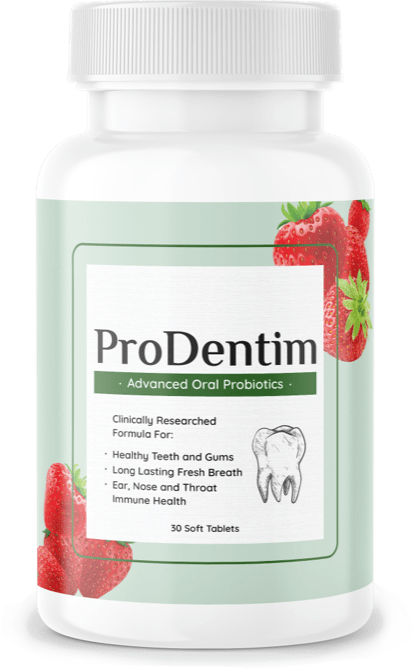
ProDentim
A probiotic-style oral wellness supplement. We look at how it's positioned, the claims, and what to weigh up before buying.
Read Our Review
Dental & Oral Wellness
GumAktiv
An independent look at GumAktiv, its positioning, intended use, available ingredient information, and key considerations.
Read Our Review
Dental & Oral Wellness
Synadentix
An independent look at Synadentix, its positioning, intended use, available ingredient information, and key considerations.
Read Our ReviewRelated buying guides
Ready to compare options? These guides break down products in this category using clearly explained criteria.
Affiliate disclosure: Some links on this page are affiliate links. If you purchase through one of these links, we may receive a commission at no additional cost to you. Affiliate relationships do not determine our editorial conclusions.
Health disclaimer: WellnessScopes provides general informational and educational content. This is not intended to diagnose, treat, cure or prevent any disease and should not replace professional medical advice. Consult a qualified healthcare professional regarding individual health concerns, medications or supplements.