Sensitive Gums: Common Causes, Everyday Care and When to Get Help
Explore the common causes of sensitive gums, how to care for tender gums daily, and when it’s important to seek professional help for gum sensitivity.

Understanding Sensitive Gums
Gum sensitivity is a common dental concern, affecting people of all ages. Sensitive gums can feel tender, sore, or more reactive to touch, certain foods, or temperature changes. Recognizing the underlying causes behind gum sensitivity is important because it can help guide appropriate care and alert individuals to potential underlying oral health issues. While some gum sensitivity is temporary and manageable with proper care, persisting or severe discomfort may indicate a need for professional assessment. By understanding sensitive gums, individuals are better equipped to protect their oral health and recognize when symptoms warrant further attention.
Gum sensitivity is often a signal from your body about changes in your oral health. Paying attention to early symptoms can support timely care.
“Sensitive gums are a sign of changing oral health and shouldn’t be ignored, especially if symptoms persist or worsen.”
Common Causes of Gum Sensitivity
- Gingivitis (early gum disease): A common and mild inflammation of the gums caused by plaque buildup along the gum line. Gingivitis often results in swollen, tender, or bleeding gums.
- Brushing or flossing too aggressively: Overly vigorous brushing or using hard-bristled toothbrushes can damage gum tissue, leading to increased sensitivity and soreness.
- Hormonal changes: Hormonal fluctuations, such as those experienced during pregnancy, menstruation, or menopause, can increase gum sensitivity.
- Dental appliances: Ill-fitting dentures or braces can irritate gum tissue.
- Medications: Some medicines can affect oral tissues, reducing saliva flow or causing inflammation.
- Poor oral hygiene: Infrequent or improper brushing and flossing can promote plaque buildup.
- Nutritional deficiencies: Insufficient intake of certain vitamins, particularly vitamin C, can affect gum health.
- Other oral conditions: Conditions like canker sores or oral infections can also cause gum soreness or tenderness.
- Gingivitis and plaque buildup
- Aggressive brushing or hard-bristled toothbrushes
- Hormonal fluctuations
- Dental appliances like braces or dentures
- Some medications
- Poor oral hygiene practices
- Nutritional deficiencies
- Oral sores or infections
If gum sensitivity develops suddenly, worsens quickly, or is accompanied by other symptoms (such as severe swelling or pain), it’s advisable to contact a dental professional.
“Gum sensitivity can arise for many reasons—some temporary, some more serious. Listening to your body and noticing symptom changes is key.”
Recognizing Symptoms: What Do Tender Gums Feel Like?
- Tenderness or pain when brushing, flossing, or eating
- Inflammation or slight swelling along the gum line
- Changes in gum color (redness, or less commonly, paleness)
- Bleeding with routine brushing or flossing
- Sensitivity to hot, cold, or spicy foods
- Tenderness or pain during oral care
- Swelling or inflammation of the gums
- Changes in gum color
- Bleeding with brushing or flossing
- Sensitivity to temperatures or spicy foods
Gum pain that disrupts eating, talking, or oral care tasks should be assessed by a dental professional to determine the underlying cause.
“Persistent or worsening gum discomfort is a sign to seek further evaluation.”
Everyday Care for Sensitive and Sore Gums
- Brush gently: Use a soft-bristled toothbrush and gentle brushing technique to avoid aggravating gum tissue.
- Floss with care: Floss daily, but gently, to remove plaque without causing trauma.
- Rinse as recommended: Consider using an alcohol-free, soothing mouthwash if recommended by a dentist.
- Stay hydrated: Drinking water helps support saliva production and oral tissues.
- Prioritize nutrition: Eating a balanced diet rich in vitamins and minerals supports gum tissue health.
- Address irritants: If using dental appliances, ensure they fit well and do not rub or pinch the gums.
- Use a soft toothbrush
- Brush and floss gently
- Stay hydrated
- Avoid foods that trigger discomfort
- Check dental appliances for fit
- Prioritize balanced nutrition
If sensitive gum care tips do not provide relief or symptoms worsen, professional advice is recommended.
“Gentle daily habits and early attention can make a significant difference in gum comfort.”
Red Flags: When to Seek Professional Help
- Persistent or worsening pain
- Gums that bleed easily and frequently
- Swelling that does not subside
- Gum recession or changes in gum line appearance
- Pus or unusual discharge from the gums
- Pain that affects eating, speaking, or sleep
- Loose teeth or changes in bite
- Persistent or severe gum pain
- Frequent or unexplained bleeding
- Swelling that does not resolve
- Noticeable gum recession
- Pus or unusual discharge
- Loose teeth or altered bite
Red-flag symptoms suggest more serious gum or dental conditions. Prompt attention may help prevent progression.
“Never ignore gum symptoms that are severe, persistent, or change quickly—these may require professional evaluation.”
Long-Term Gum Health: Prevention and Maintenance
- Maintain effective oral hygiene: This means brushing gently twice daily, flossing regularly, and using dental products recommended by professionals.
- Eat a balanced diet: Prioritize foods that offer vitamins and minerals essential for gum health, including vitamin C and calcium.
- Stay alert to gum changes: Track any new sensitivity, bleeding, or gum tissue changes.
- Schedule dental checkups: Attend dental evaluations at intervals advised by your dental professional, especially if you notice changes in gum sensitivity.
- Brush and floss as recommended
- Eat nutritious foods for gum health
- Monitor for gum changes
- Schedule dental checkups as advised
Preventive care supports long-term gum health and comfort. Address any gum sensitivity promptly to avoid complications.
“Long-term gum health is best achieved through consistent, gentle care and timely professional guidance.”
Summary and Key Takeaways
In most cases, sensitive gum care involves gentle oral hygiene, balanced nutrition, and avoiding potential irritants. However, persistent or severe symptoms—such as persistent pain, frequent bleeding, or gum recession—warrant evaluation by a dental professional. By taking a proactive and informed approach, most people can effectively manage gum sensitivity and protect their oral wellness.
For more in-depth guidance on topics like gum recession, supporting healthy gums, and managing bleeding gums, look for dedicated resources on these subjects as part of your oral wellness journey.
Lasting oral health often begins with recognizing and responding to early signs of gum discomfort.
“A combination of everyday care and timely professional guidance can help you maintain healthy, comfortable gums.”
Products Worth Exploring
Based on this article's topic, these are the wellness products we've reviewed that may be relevant. Each links to our independent review, where you can check product details before deciding.
Dental & Oral Wellness
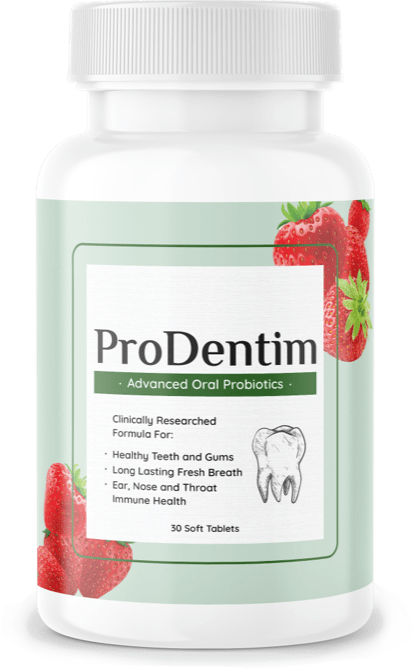
ProDentim
A probiotic-style oral wellness supplement. We look at how it's positioned, the claims, and what to weigh up before buying.
Read Our Review
Dental & Oral Wellness
GumAktiv
An independent look at GumAktiv, its positioning, intended use, available ingredient information, and key considerations.
Read Our Review
Dental & Oral Wellness
Synadentix
An independent look at Synadentix, its positioning, intended use, available ingredient information, and key considerations.
Read Our ReviewRelated buying guides
Ready to compare options? These guides break down products in this category using clearly explained criteria.
Affiliate disclosure: Some links on this page are affiliate links. If you purchase through one of these links, we may receive a commission at no additional cost to you. Affiliate relationships do not determine our editorial conclusions.
Health disclaimer: WellnessScopes provides general informational and educational content. This is not intended to diagnose, treat, cure or prevent any disease and should not replace professional medical advice. Consult a qualified healthcare professional regarding individual health concerns, medications or supplements.