Plaque vs Tartar: What's the Difference and Why Does It Matter?
Understanding the difference between plaque and tartar is key to maintaining healthy teeth and gums. This article explains what sets dental plaque and tartar apart, why they matter, and how you can support lifelong oral health through prevention and proper care.
Introduction: Plaque vs Tartar at a Glance
Many people use the terms "plaque" and "tartar" interchangeably, but they are not the same. Understanding the important differences between dental plaque and tartar (also called dental calculus) is essential for preventing oral health issues such as cavities, gum disease, and even tooth loss. By learning how they develop and why they matter, you can take practical steps to promote your dental wellness for years to come.
“Knowing the distinction between plaque and tartar can be the difference between a simple brushing routine and potential gum disease.”
What Is Dental Plaque?
Dental plaque is a soft, sticky film that constantly forms on your teeth and gums. It's made up of bacteria, food particles, and saliva. Plaque begins to build up within hours after brushing and, if left undisturbed, can pose significant risks to your oral health. Because plaque is colorless and soft, it's often hard to notice until it causes problems such as bad breath or sensitive gums. The bacteria within plaque use sugars from your diet to produce acids that erode tooth enamel and irritate gum tissue.
- Colorless and sticky in texture
- Composed of bacteria, food debris, and saliva
- Forms quickly (within hours) after brushing
- Directly linked to cavities and gum inflammation
Tip: You can feel plaque as a fuzzy sensation when you run your tongue over unbrushed teeth, especially near the gumline.
“Plaque is the starting point of most oral health problems.”
How Plaque Forms and Why It Matters
Plaque formation is a natural process. After you eat or drink, the bacteria already present in your mouth combine with food and beverages, especially those high in sugar or starch. The bacteria feed on these particles, multiply, and start creating a sticky layer called plaque. If it's not removed by regular brushing and flossing, plaque hardens over time into tartar—fueling further oral health complications. Early plaque is easy to clean, but neglecting it allows it to calcify and increase the risk of gum disease or tooth decay.
- Plaque begins forming just hours after meals.
- Sugary, starchy foods accelerate plaque,
- Plaque buildup can irritate gums and damage enamel.
“Left unchecked, dental plaque is the foundation of future dental problems.”
What Is Tartar? (Calculus Teeth Explained)
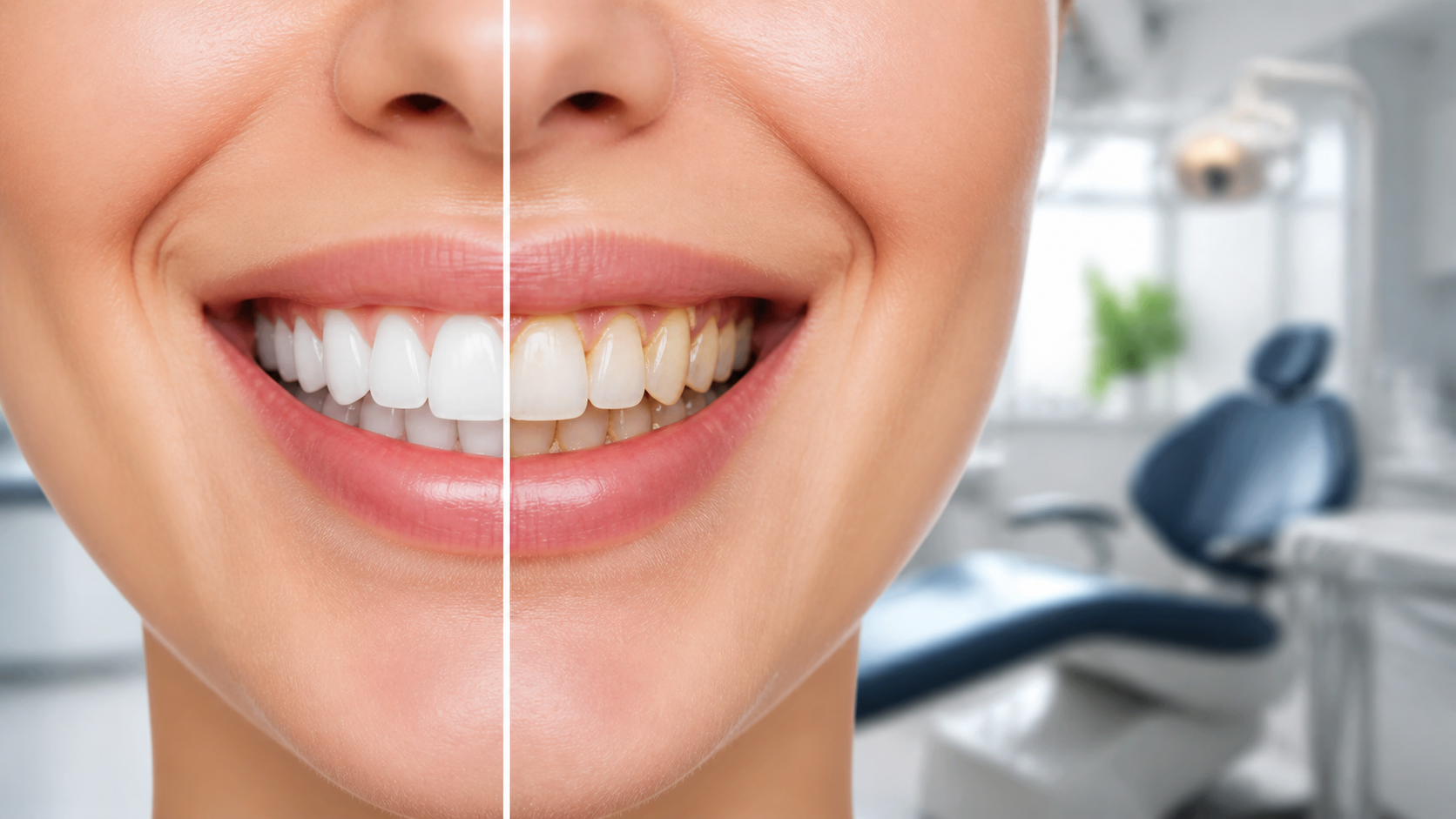
Tartar, also known as dental calculus, is what happens when plaque is not thoroughly removed and becomes hardened. Tartar forms above and below the gumline as the minerals in your saliva combine with plaque deposits, creating a tough, yellow or brownish layer firmly attached to tooth surfaces. Unlike plaque, tartar cannot be removed by brushing alone and usually requires a professional dental cleaning. Tartar doesn't just look bad—it creates an environment where more plaque can adhere and multiplies the risk of gum disease and other oral complications.
- Hardened, mineralized form of plaque
- Yellow or brownish in color
- Firmly attached to teeth and cannot be brushed off
- Increases the risk of gum disease and cavities
Dental calculus is closely associated with advanced gum disease and may cause persistent bad breath.
“Tartar is plaque's more stubborn, damaging cousin.”
From Plaque to Tartar: The Process
The transformation from plaque to tartar is a gradual process that can occur within 24 to 72 hours if plaque is not removed. As bacteria metabolize the sugars and starches in your mouth, the resulting film starts to attract minerals from your saliva. These minerals calcify the soft plaque, turning it into a hard substance—tartar (or calculus). Visible along the gumline or between teeth, tartar is much more difficult to eliminate and provides even more surface area for new plaque to form.
- Process can start as quickly as 24 hours after poor cleaning
- Minerals from saliva harden dental plaque
- Tartar creates a rough surface for more plaque accumulation
“Unchecked plaque rapidly evolves into tartar, escalating oral health risks.”
Health Risks Associated with Plaque and Tartar
Both plaque and tartar pose threats to your oral wellness. Plaque harbors harmful bacteria that produce acids, eroding enamel and inflaming gum tissue, potentially leading to tooth sensitivity and decay. Tartar, meanwhile, forms a solid barrier trapping bacteria against the gums, significantly increasing your risk of gingivitis, periodontitis, and even tooth loss if untreated. Persistent tartar can also contribute to chronic bad breath and make it much more difficult to maintain a healthy smile.
- Cavities or tooth decay
- Gingivitis (early gum disease)
- Periodontitis (advanced gum disease)
- Persistent bad breath (halitosis)
- Staining of tooth enamel
Early detection and removal of plaque and tartar are vital for preventing gum disease and tooth loss.
“Tartar isn't just a cosmetic issue—it's a red flag for more serious dental problems.”
Plaque Removal: Prevention and Strategies
The best way to avoid tartar buildup and its complications is through daily plaque removal. This means regular brushing (at least twice daily), flossing between teeth, and periodic dental checkups. Using a soft-bristled toothbrush, fluoride toothpaste, and cleaning devices for hard-to-reach areas is key. Reducing sugary snacks and drinks also helps limit bacterial fuel for plaque.
- Brush twice daily with a fluoride toothpaste
- Floss at least once a day
- Limit sugary and starchy foods
- Visit your dentist every 6 months
Great plaque removal techniques reduce your risk of dental issues and promote lifelong oral health.
“A few minutes a day dedicated to oral hygiene can help you avoid months of dental discomfort.”
Tartar Removal and Professional Care
Once tartar forms, only a dental professional can fully remove it—typically through a procedure called scaling. Attempting to chip or scrape tartar at home can damage enamel and gums. Dentists and dental hygienists use special instruments to safely clean above and below the gumline, help reverse early gum disease, and restore a smooth tooth surface to prevent future accumulation.
- Tartar cannot be removed by brushing or flossing alone
- Professional cleaning is the safest, most effective approach
- Routine dental visits catch tartar buildup early
If you notice yellow or brown deposits along your gumline, schedule a dental appointment promptly.
“Professional cleaning is the only way to remove stubborn tartar safely.”
Daily Habits to Prevent Plaque and Tartar Buildup
Developing consistent oral hygiene habits is your strongest defense against dental plaque and tartar. This includes effective brushing, flossing, rinsing with water after meals, and making mindful food choices. Keeping regular dental appointments is also important for early detection and intervention.
- Use proper brushing and flossing technique (see Brushing vs Flossing)
- Drink water after eating to rinse away debris
- Maintain balanced nutrition and minimize sugary snacks
- See your dentist routinely
Good daily routines are often the most powerful tool for healthy teeth and gums.
“Good habits today add up to decades of healthy smiles.”
Supporting Your Oral Microbiome
Your oral microbiome—the diverse community of bacteria in your mouth—plays a crucial role in dental health. Maintaining balance helps keep harmful bacteria at bay and reduces plaque formation. Practices like thorough oral hygiene, a healthy diet, and not overusing antibacterial mouthwashes support a thriving oral microbiome. For a deeper understanding, learn more about the Oral Microbiome topic on WellnessScopes.
- Balance, not eliminate, oral bacteria
- Limit excessive antibacterial products
- Eat nutrient-rich foods to support good microbes
“A healthy oral microbiome helps protect you from excessive plaque and tartar.”
Myths, Misconceptions, and FAQs
There are many misconceptions around plaque and tartar. Some believe only people with poor hygiene develop tartar, but even those with good routines may still form tartar due to individual differences in saliva and enamel. Whitening toothpastes may reduce stains on tartar but do not remove tartar itself. And while mouthwashes can help reduce bacteria, they are never a replacement for brushing and flossing. Addressing these misconceptions empowers you to focus on what truly works for prevention.
- Tartar can develop despite good brushing habits
- You cannot remove tartar at home—professional care is required
- Plaque forms even on mouths with healthy diets, just at a slower rate
Regular dental advice helps sort fact from fiction in oral care.
“Knowledge is the first step to effective oral health strategies.”
When to Seek Dental Care
Signs you might need to see a dentist include persistent bad breath, bleeding gums, visible white or yellow deposits along the gumline, or tooth sensitivity. Don't wait for pain—routine checkups and addressing early signs can prevent small issues from becoming major concerns. Dentistry professionals offer guidance and the right tools for achieving and maintaining a healthy mouth.
- Unusual gum bleeding or tenderness
- Spots or discoloration that won’t brush away
- Regular dental visits, twice yearly or as recommended
“Regular care catches problems early—before they become uncomfortable or expensive.”
Conclusion: Why Plaque vs Tartar Matters
“Dental wellness starts with an awareness of what you can't see—like plaque and tartar.”
Products Worth Exploring
Based on this article's topic, these are the wellness products we've reviewed that may be relevant. Each links to our independent review, where you can check product details before deciding.

Dental & Oral Wellness
ProDentim
A probiotic-style oral wellness supplement. We look at how it's positioned, the claims, and what to weigh up before buying.
Read Our Review
Dental & Oral Wellness
GumAktiv
An independent look at GumAktiv, its positioning, intended use, available ingredient information, and key considerations.
Read Our Review
Dental & Oral Wellness
Synadentix
An independent look at Synadentix, its positioning, intended use, available ingredient information, and key considerations.
Read Our ReviewRelated buying guides
Ready to compare options? These guides break down products in this category using clearly explained criteria.
Affiliate disclosure: Some links on this page are affiliate links. If you purchase through one of these links, we may receive a commission at no additional cost to you. Affiliate relationships do not determine our editorial conclusions.
Health disclaimer: WellnessScopes provides general informational and educational content. This is not intended to diagnose, treat, cure or prevent any disease and should not replace professional medical advice. Consult a qualified healthcare professional regarding individual health concerns, medications or supplements.