Walking for Health: How to Start with Short, Brisk Walks
Discover how short, brisk walks can support your fitness journey. Learn practical tips for brisk walking for beginners, starting a daily walking habit, and making short walks a helpful exercise routine.

The Simplicity and Benefits of Walking for Health
A brisk walk fits seamlessly into the day—whether you choose a city route, neighborhood sidewalks, or park trails. Walking has been associated with supporting heart health, muscle endurance, improved mood, and increased energy levels. Many people also find it helps clear the mind and reduce daily stress. Importantly, walking does not require a competitive spirit or athletic background.
UK guidance from the NHS notes that just a brisk 10-minute daily walk counts towards the recommended 150 minutes of physical activity per week for adults aged 19 to 64. While this is a helpful target for the population, the best starting point is what works for your current ability and lifestyle.
- Accessible to most adults
- No special gear or gym required
- May support heart health and mood
- Fits almost any schedule
The NHS recognizes brisk walking as a beneficial form of exercise that is simple and adaptable for most adults.
“Walking is a practical way to increase daily activity and support overall wellbeing.”
What Makes a Walk Brisk? A Practical Approach
In practical terms, brisk walking is often described as walking at about 3-4 miles per hour, but you don’t need to measure your speed. Signs you’re walking briskly include:
- You notice your heart rate is elevated.
- You are slightly out of breath, but can still hold a conversation.
- Your arms gently swing as you move.
- Comfortably challenging pace
- Slightly quicker breathing
- Able to speak but not sing
- No stopwatch needed
Brisk walking is more about how you feel than reaching a specific number on a watch or app.
“Brisk walking means finding a pace that brings gentle challenge without straining.”
Getting Started: Brisk Walking for Beginners
Practical suggestions include:
- Choose comfortable, supportive shoes.
- Pick a familiar, safe route at first.
- Set a gentle reminder or calendar appointment.
- Walk with a friend or join a local walking group for support.
- Begin with 5-10 minute brisk walks
- Walk familiar routes for confidence
- Pair up with a friend if possible
Good walking shoes and a familiar environment help make walking more comfortable and enjoyable.
“Start short and focus on making walking a pleasant part of your day.”
The Role of Short Walks in an Active Lifestyle
Short walks offer flexibility and inclusivity, removing barriers for those with limited time, fitness, or mobility. They can boost mood, contribute to muscle activity, and may help you feel more energized. Some people find that several short walks are more enjoyable and sustainable than fewer longer sessions.
Experiment with different times and environments—walking before work, during lunch, or after dinner—to discover what feels best for you.
- Even 10-minute walks are beneficial
- Multiple short walks can be accumulated
- Flexible for hectic lifestyles
Accumulated short walks are a valid and valuable form of exercise—every bit of movement matters.
“Short walks add up and can be the foundation of an active lifestyle.”
Building a Daily Walking Habit
Tools and strategies for building this habit include:
- Setting reminders on your phone or calendar
- Tracking your walks with a basic journal or app
- Celebrating progress rather than perfection
- Finding enjoyable routes that keep you interested
- Link walks to daily routines
- Track your walking habit
- Allow for flexibility on busy days
Attaching walking to an existing habit can make it easier to remember and sustain.
“Small, consistent steps help walking become a lasting part of your day.”
How to Progress Safely and Maintain Motivation
Maintaining motivation can be easier with variety. Try new routes, listen to music or podcasts, or walk with someone else. Celebrate milestones, such as completing your first week of daily walks or extending your total walking time. If motivation wanes, revisit your reasons for walking and adjust your goals as needed.
- Increase walking time gradually
- Try new routes and walking buddies
- Celebrate achievements along the way
Steady, manageable progress is safer than trying to do too much too soon when building up your walking routine.
“Building endurance comes from gradual increases—pace yourself for continued enjoyment.”
Fitting Short Walks into Busy Schedules
Some additional options:
- Walk during phone calls or virtual meetings (if practical)
- Schedule a walking catch-up with a friend or colleague
- Break up longer periods of sitting with a brisk loop around your building or block
- Walk during breaks or calls
- Park farther away when possible
- Use stairs for extra steps
Even small bursts of movement—just a few minutes—are meaningful when accumulated throughout the day.
“A little creativity can turn a hectic schedule into a more active one.”
Walking, Recovery, and Sustainable Fitness
Research has explored how moderate physical activity, such as brisk walking, fits into a well-rounded fitness plan. Walking can complement other activities and supports longer-term adherence to exercise by being accessible and enjoyable. If you’re curious about the relationship between exercise, recovery, and sustainable habits, our resource on how exercise and recovery work together provides further insights.
- Low-impact and suitable for most adults
- Can be part of active recovery between workouts
- Supports mobility and overall wellbeing
Walking can play a valuable role in a sustainable, balanced fitness plan for a wide range of people.
“Gentle movement through walking supports both fitness and recovery.”
Common Questions About Walking for Health
Do I need special shoes or clothing? Supportive shoes are important, but any comfortable, weather-appropriate clothing is suitable. Avoid footwear that causes discomfort.
Is brisk walking for beginners safe for older adults? For most adults, brisk walking is a low-risk activity, but anyone with health concerns should discuss new exercise routines with a healthcare professional.
What if I can’t walk for 10 minutes at once? Shorter walks, even multiple times a day, still count and can be combined towards your activity goals.
How do I stay motivated? Setting small, achievable goals and changing up your walking routes can help keep things fresh and interesting.
- Supportive shoes are recommended
- Shorter walks are beneficial
- Consider your health status before increasing intensity
Short, brisk walks are a flexible way to start or maintain more active habits, and can be adapted to fit different needs.
“It’s normal to have questions—focus on comfort and personal progress.”
Final Thoughts: Embracing Walking as Exercise
Walking for health is a process, not a destination. Making walking a consistent, enjoyable part of your daily life is a valuable step towards supporting your fitness journey and overall mood.
- Short walks at a brisk pace are simple yet effective
- Progress is personal—find what works for you
- Consistency is more important than perfection
Every bit of movement contributes to a healthier lifestyle, no matter how small it may seem.
“Start where you are, move how you can—walking is exercise for everyone.”
Products Worth Exploring
Based on this article's topic, these are the wellness products we've reviewed that may be relevant. Each links to our independent review, where you can check product details before deciding.
Fitness & Performance
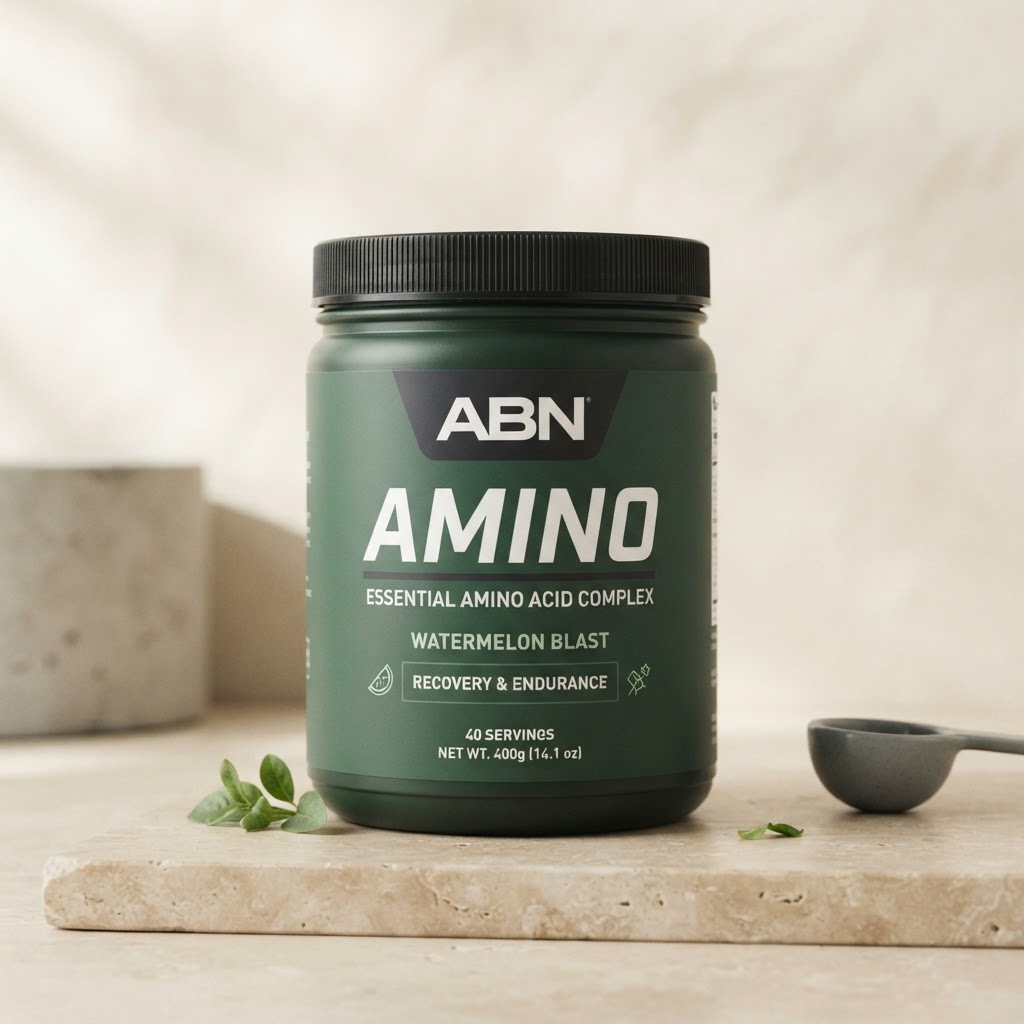
ABN Amino
An independent look at ABN Amino, its product positioning, formula, intended use, and key considerations.
Read Our ReviewRelated buying guides
Ready to compare options? These guides break down products in this category using clearly explained criteria.
Affiliate disclosure: Some links on this page are affiliate links. If you purchase through one of these links, we may receive a commission at no additional cost to you. Affiliate relationships do not determine our editorial conclusions.
Health disclaimer: WellnessScopes provides general informational and educational content. This is not intended to diagnose, treat, cure or prevent any disease and should not replace professional medical advice. Consult a qualified healthcare professional regarding individual health concerns, medications or supplements.