Waist-to-Height Ratio: What It Can and Cannot Tell You
Discover what the waist-to-height ratio measures, how it compares to BMI, and what its advantages and limitations mean for understanding health risks beyond just weight or size.

Understanding Waist-to-Height Ratio
Unlike focusing on weight alone, this ratio offers a quick visual estimate of whether your body shape may carry some additional health risks. However, it is meant to be used as a broad guide and not a precise diagnostic tool. If you are concerned about your weight or waist size, consulting a healthcare professional is recommended for personalised advice.
- Compares waist circumference to height using the same units.
- Suggested for use alongside—but not instead of—BMI.
- Aims to identify abdominal fat as a possible health concern.
Waist-to-height ratio is a screening tool, not a diagnosis. Medical professionals consider many aspects of health beyond body measurements.
“Waist-to-height ratio is an additional measure—not a substitute for comprehensive health assessment.”
Why People Use It: Beyond Weight Alone
People may turn to this ratio as part of a broader effort to understand their overall health profile. It can be particularly helpful for individuals whose BMI may fall within a typical or healthy range, but who have a higher amount of abdominal fat. Nonetheless, the ratio is not intended to replace medical advice or comprehensive evaluation.
- Considers body fat distribution, not just total weight.
- Central fat has been linked to specific health risks.
- Particularly useful if BMI is below 35, as per NHS guidance.
Abdominal measurements can add useful context to other health information, but do not fully represent overall health.
“Your health is shaped by much more than numbers on a scale or tape measure.”
How to Measure Waist to Height
Once you have both numbers in the same units, divide your waist circumference by your height. For example: if your waist is 80 cm and your height is 165 cm, your ratio is 0.48. The recommended guidance from the NHS is to keep this ratio below 0.5 for adults, if possible.
- Use a soft tape measure for best accuracy.
- Measure at the midpoint between hip bone and lower ribs.
- Divide waist by height—use the same units for both.
Tape measure placement and relaxed breathing help produce more accurate results when measuring your waist.
“Consistency in measurement technique makes your results more meaningful.”
BMI and Waist Ratio: Key Differences
By contrast, the waist-to-height ratio gives a direct look at abdominal size relative to height. This can sometimes reveal risks that BMI may miss—such as individuals with a healthy BMI but higher central fat. NHS guidance suggests using the waist-to-height ratio in addition to—not instead of—BMI, especially for adults with a BMI below 35.
- BMI estimates general weight status; waist ratio addresses fat distribution.
- Neither test diagnoses health conditions by itself.
- NHS suggests both measures for a more complete picture.
Neither BMI nor waist-to-height ratio can measure muscle mass, bone density, or other measures of body composition.
“BMI and waist-to-height ratio each highlight different aspects of body shape and size.”
What Waist Circumference Says About Health
Although higher waist circumferences may be associated with increased risk in some studies, a single measurement cannot determine your health or future outcomes on its own. Genetics, physical activity, diet, stress, sleep, and numerous other factors all play important roles. Always interpret measurements like waist circumference in the wider context of overall wellbeing.
- Waist size alone is not a perfect indicator of health.
- Abdominal fat may be more closely linked with certain risks than other types of body fat.
- Other health metrics and lifestyle factors also matter.
Focusing on overall lifestyle, including movement and eating patterns, is important for health at any shape or size. See the Eatwell Guide for more on balanced choices.
“Waist measurements are one piece of the larger health puzzle.”
Strengths of the Waist-to-Height Ratio
Research has explored links between higher waist-to-height ratios and increased risk of developing certain metabolic and cardiovascular conditions. However, this does not mean the measure detects or predicts disease for any individual—only that it can be a useful factor in assessing potential risk for groups.
- Simple, quick, and requires only a tape measure.
- Provides information ignored by BMI.
- Appropriate for home and clinical use as a screening guide.
No measurement method should be a substitute for professional health advice if you have concerns about your wellbeing.
“Simplicity and context make the waist-to-height ratio a practical screening tool.”
Where This Metric Falls Short
This measure also does not directly assess health status or individual disease risk—just potential associations in groups. It cannot detect underlying medical issues, nor should it be used alone to make significant health decisions. Always use such metrics alongside advice from a qualified healthcare professional.
- Does not adjust for individual differences like age or muscle.
- Can be misleading when used on its own.
- Is a guide, not a health diagnosis.
People with a very high BMI (35 or above) may not gain as much insight from their waist-to-height ratio according to NHS advice.
“Numbers guide us, but do not define us—health is multi-faceted.”
Should You Use It?
When interpreting your measurements, keep in mind that numbers can fluctuate over time and may be influenced by many factors beyond your control. Regular movement, balanced meals, adequate rest, and social support all contribute to health at every size. For more guidance on building healthy routines, the Eatwell Guide offers helpful advice on balanced eating patterns.
- Use as one of several health indicators, not the only one.
- Consider your broader lifestyle when thinking about health metrics.
- Seek professional support for concerns about weight or wellbeing.
If you feel worried or confused about body measurements, reach out to a qualified healthcare provider for clarity and support.
“A supportive, non-judgmental approach is essential when considering any health measurement.”
Other Important Health Factors
Emphasizing a kind and holistic perspective can be especially important in countering weight stigma and promoting positive physical and mental health. If you are looking for practical advice on nutritious eating and balanced living, you may find value in NHS recommendations such as those found in the Eatwell Guide.
- Lifestyle, environment, and genes shape health much more than single measurements.
- Holistic wellbeing includes mental and social health, not just physical markers.
- Body acceptance and self-care are important health factors.
No metric should define your worth. Choose health goals that reflect your values and needs, not external pressure.
“Health is a lifelong journey shaped by many influences beyond numbers.”
Resources and Next Steps
For more context about dietary patterns and balanced nutrition, see the WellnessScopes article on the Eatwell Guide. Health and wellbeing are about more than measurements—your experience matters.
- NHS offers an online waist-to-height ratio calculator for guidance.
- Combine multiple health indicators for a broader perspective.
- Medical advice should always be personalized and judgment-free.
Consider sharing any questions or concerns with your doctor, especially if measurements cause distress or confusion.
“Guidance tools support your health, but individual consultation is key when making decisions.”
Products Worth Exploring
Based on this article's topic, these are the wellness products we've reviewed that may be relevant. Each links to our independent review, where you can check product details before deciding.
Weight & Metabolic Wellness
MetaBurn™
An independent look at MetaBurn™, its positioning, ingredients, intended use, and key considerations.
Read Our Review
Weight & Metabolic Wellness
HoneyBurn
An independent look at HoneyBurn, its positioning, ingredients, intended use, and key considerations.
Read Our Review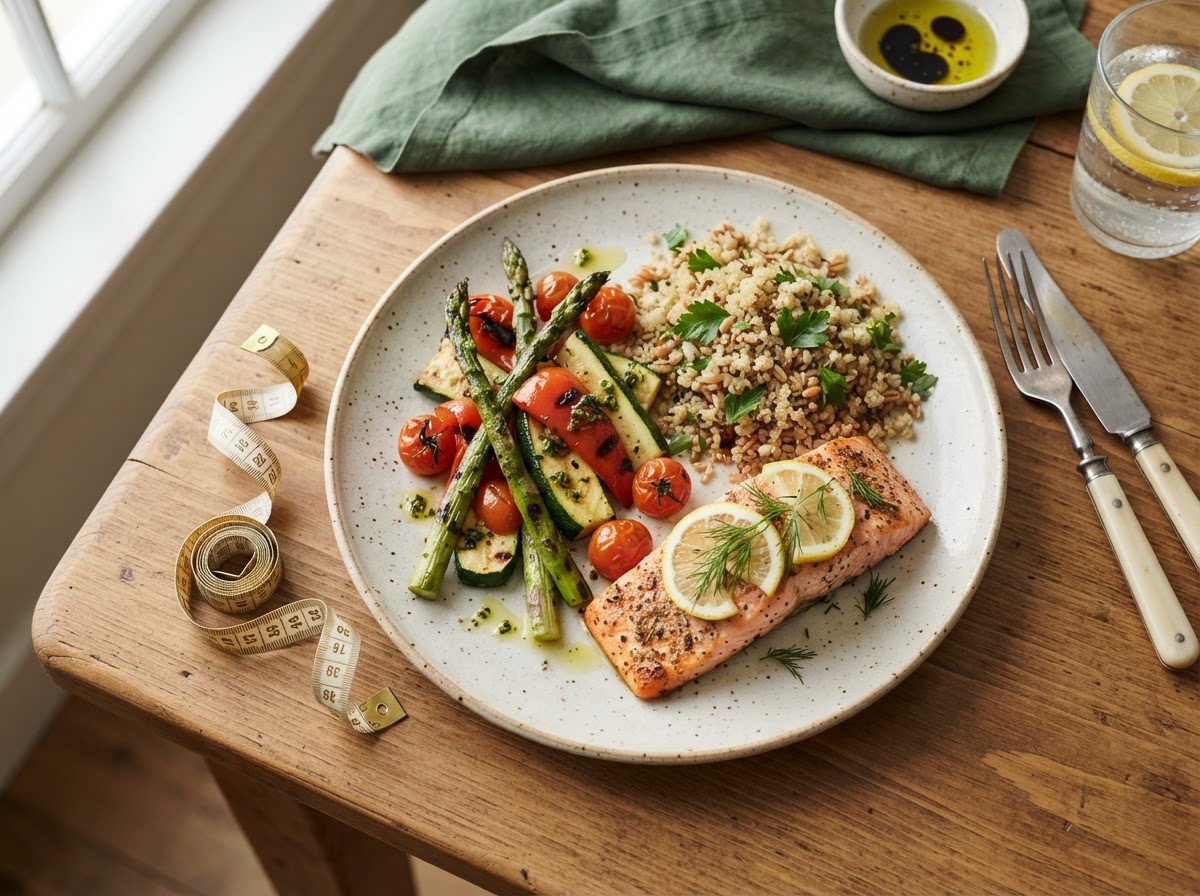
Weight & Metabolic Wellness
All Day Slimming Tea
A herbal tea marketed around weight management. We look at how it's positioned, the claims, and what to consider before exploring further.
Read Our Review
Weight & Metabolic Wellness
Gluco6
An independent look at Gluco6, its product positioning, ingredients, intended use, and key considerations.
Read Our ReviewAffiliate disclosure: Some links on this page are affiliate links. If you purchase through one of these links, we may receive a commission at no additional cost to you. Affiliate relationships do not determine our editorial conclusions.
Health disclaimer: WellnessScopes provides general informational and educational content. This is not intended to diagnose, treat, cure or prevent any disease and should not replace professional medical advice. Consult a qualified healthcare professional regarding individual health concerns, medications or supplements.