Probiotics and the Oral Microbiome: What the Research Can and Can't Tell Us
A science-based, reader-friendly review of what is known—and what’s not—about how probiotics may influence the oral microbiome, dental wellness, and mouth bacteria.
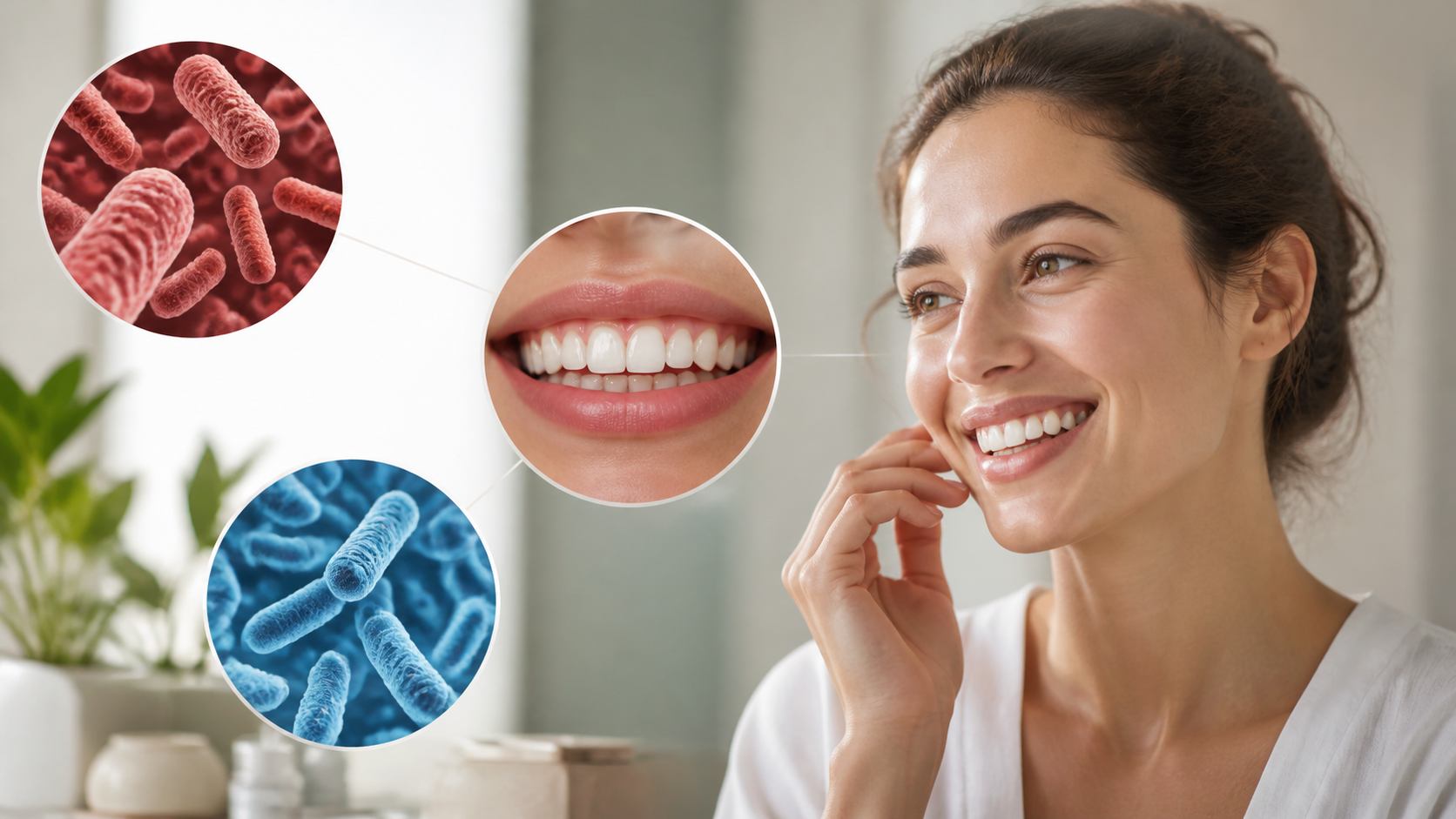
The Oral Microbiome: A Primer
The oral microbiome refers to the dynamic community of bacteria, fungi, viruses, and other microorganisms that inhabit the mouth. This microbial ecosystem is crucial for oral and overall health, acting as a defensive barrier, supporting digestion, and influencing immune function. When this balance is disrupted—known as dysbiosis—it can contribute to common oral issues like tooth decay, gum disease, and bad breath. The complexity and resilience of the oral microbiome make it a subject of intense scientific interest, especially as researchers explore the role of external factors—including probiotics—in shaping its makeup.
- The oral microbiome contains hundreds of microbial species.
- A healthy oral microbiome protects against harmful bacteria.
- Dysbiosis is associated with oral disease and inflammation.
The oral microbiome is second only to the gut microbiome in its complexity and importance for systemic health.
“Your oral microbiome is a living ecosystem—when balanced, it’s an unsung hero for oral wellness.”
What Are Probiotics and How Might They Work in the Mouth?
Probiotics are live microorganisms, often specific strains of bacteria, that can confer health benefits when consumed in adequate amounts. While much of the conversation around probiotics centers on gut health, oral probiotics are designed to exert beneficial effects specifically within the mouth.
They may work by introducing beneficial bacteria that help restore microbial balance, directly inhibiting harmful species, bolstering the oral immune response, or producing substances that reinforce the protective barrier of the oral cavity. Unlike gut probiotics, oral probiotics are chosen for their ability to survive and colonize the unique environment of the mouth, where they interact directly with existing oral microbes and tissues.
- Oral probiotics are formulated to target the mouth, not the digestive tract.
- They may help inhibit unwanted bacteria and support the natural microbial balance.
- Delivery formats include lozenges, chewables, tablets, and mouth rinses.
Not all probiotics are the same—oral probiotics must be capable of surviving and thriving in the mouth’s specific environment.
“Probiotics work with your oral microbiome, not against it, to foster a balanced environment.”
Current Research: Probiotics and the Oral Microbiome
Scientific interest in probiotics for oral health has surged in recent years. Researchers have conducted numerous laboratory, animal, and human studies, investigating whether oral probiotics can genuinely shift the composition of the oral microbiome or influence markers of dental health.
Many probiotic strains studied—such as Lactobacillus reuteri, Streptococcus salivarius K12, and others—have been selected for their potential to crowd out undesirable bacteria or support the body’s natural defenses. Research designs range from short-term pilot studies to longer clinical trials, and most focus on outcomes like plaque reduction, gum health, or bad breath mitigation.
- Various strains, including S. salivarius and L. reuteri, are under study for oral benefits.
- Research explores outcomes such as plaque, gingivitis, and breath odor.
- Interest is growing, but studies vary widely in methods and populations.
Research on probiotics and the oral microbiome is still evolving—what’s true for the gut may not apply identically to the mouth.
“The science is promising, yet the story of probiotics and the oral microbiome is still unfolding.”
Dental Probiotics Evidence: What Do Studies Show?
When it comes to evaluating the effectiveness of dental probiotics, the evidence to date is mixed—reflecting both the promise and the current limitations of oral probiotics research.
Some randomized controlled trials and reviews suggest that certain oral probiotic strains may reduce plaque formation, support gum health, or temporarily decrease markers associated with bad breath. A few products, like ProDentim and GumAktiv, have been formulated with these findings in mind.
However, not all studies have seen significant impacts, and results can vary depending on the probiotic strain, dosage, delivery method, and study design. Many experts caution that while the initial data is encouraging, larger and longer-term studies are needed to draw firm conclusions.
- Some clinical trials show benefits for gum health and plaque reduction.
- The consistency and magnitude of effects differ across studies.
- No probiotic should be seen as a replacement for daily dental hygiene.
Oral probiotics may offer modest support, but current evidence does not justify using them as a standalone therapy for oral disease.
“Early evidence hints at real benefits, but probiotics are allies—not substitutes—for brushing and flossing.”
Limitations and Gaps in Oral Probiotics Research
Despite exciting findings, the field of oral probiotics research faces significant challenges. Most clinical studies are small, short-term, and sometimes limited in diversity of participants. There is not yet a consensus on which probiotic strains—or combinations—are most effective for specific oral goals.
Further, the mechanisms by which probiotics interact with the native oral microbiome are not fully understood. It’s also unclear how long beneficial bacteria persist in the mouth after supplementation, or what optimal dosing regimens look like.
- Small study sizes and short durations limit the strength of conclusions.
- Strain specificity and formulation differences complicate comparisons.
- Unknowns remain regarding long-term effects and best practices.
Oral probiotic research is emerging. Consumers should watch for new studies that clarify effectiveness and safety.
“Science is still catching up to the enthusiasm around dental probiotics.”
Probiotics for Mouth Bacteria: Practical Considerations
If you are considering adding oral probiotics for mouth bacteria to your routine, some practical points matter. Look for products using well-researched strains and clearly labeled dosing instructions. Consider how the probiotic is delivered—lozenges or chewables tend to have better contact time in the mouth than capsules meant for swallowing.
It’s also important to recognize individual differences: what works for one person’s oral microbiome may not yield the same results in another. Always use probiotics alongside—not instead of—regular dental hygiene and professional care.
- Select products validated by independent research, like ProDentim.
- Delivery method impacts effectiveness—contact with mouth tissues is key.
- Dental probiotics complement brushing, flossing, and dental checkups.
No probiotic can substitute for brushing, flossing, and regular professional dental care.
“Your mouth’s ecosystem is unique—what supports balance for you might not be universal.”
Probiotics and Dental Health: Complement, Not Substitute
Oral probiotics can be a helpful adjunct, but should never be viewed as a sole foundation for oral health. Daily habits like brushing, flossing, eating a balanced diet, and scheduling regular dental visits remain essential. Adding probiotics may provide additional support to your oral microbiome, especially if you are looking to address specific issues like bad breath or occasional gum irritation.
Think of probiotics as working in harmony with—not in opposition to—established dental hygiene routines.
- Oral probiotics are an addition to, not a replacement for, dental hygiene.
- Probiotics may especially support those with minor oral concerns or seeking to optimize wellness.
- Routine dental care remains the gold standard for oral health.
Professional organizations stress that oral probiotics are a supplement to—not a replacement for—dental hygiene and care.
“Probiotics are supporters of your smile, not replacements for the basics.”
Choosing and Using Oral Probiotics Safely
When selecting an oral probiotic, review the ingredient list, favoring products with specific and well-studied strains. Ensure the product comes from a reputable manufacturer and provides clear usage instructions. Look for third-party testing or quality certifications where available.
ProDentim, for instance, emphasizes evidence-supported strains in its formulation. If you experience any adverse reactions, stop use and consult with a healthcare provider. Remember, oral probiotics are intended for otherwise healthy individuals unless recommended by a dental professional.
- Opt for products that identify probiotic strains and CFUs.
- Choose brands transparent about sourcing and quality.
- Consult your dentist before starting any new supplement.
Using reputable and well-formulated products, like those reviewed <a href="https://wellnessscopes.com/reviews/prodentim-review/">here</a>, can help ensure you’re supporting your oral health effectively.
“Read the labels, trust reputable brands, and talk with your dentist before making changes.”
The Bottom Line: What We Know, What We Don’t
The relationship between probiotics and the oral microbiome is an exciting frontier in dental and overall wellness. Early results are promising, but the field is young. Probiotics may help promote a balanced oral environment and support efforts to manage plaque, gum health, or breath freshness. However, the science is still catching up, and these supplements are not a replacement for daily hygiene and regular professional dental care.
- Oral probiotics are promising but not a cure-all for oral health issues.
- Ongoing research will shape recommendations and understanding.
- Consistent dental hygiene is fundamental, with probiotics as a possible complement.
Stay informed and work with your dental professional to make choices best aligned with your oral wellness goals.
“The science is evolving—let evidence and good dental habits guide your path to oral wellness.”
Products Worth Exploring
Based on this article's topic, these are the wellness products we've reviewed that may be relevant. Each links to our independent review, where you can check product details before deciding.

Dental & Oral Wellness
ProDentim
A probiotic-style oral wellness supplement. We look at how it's positioned, the claims, and what to weigh up before buying.
Read Our Review
Dental & Oral Wellness
GumAktiv
An independent look at GumAktiv, its positioning, intended use, available ingredient information, and key considerations.
Read Our Review
Dental & Oral Wellness
Synadentix
An independent look at Synadentix, its positioning, intended use, available ingredient information, and key considerations.
Read Our Review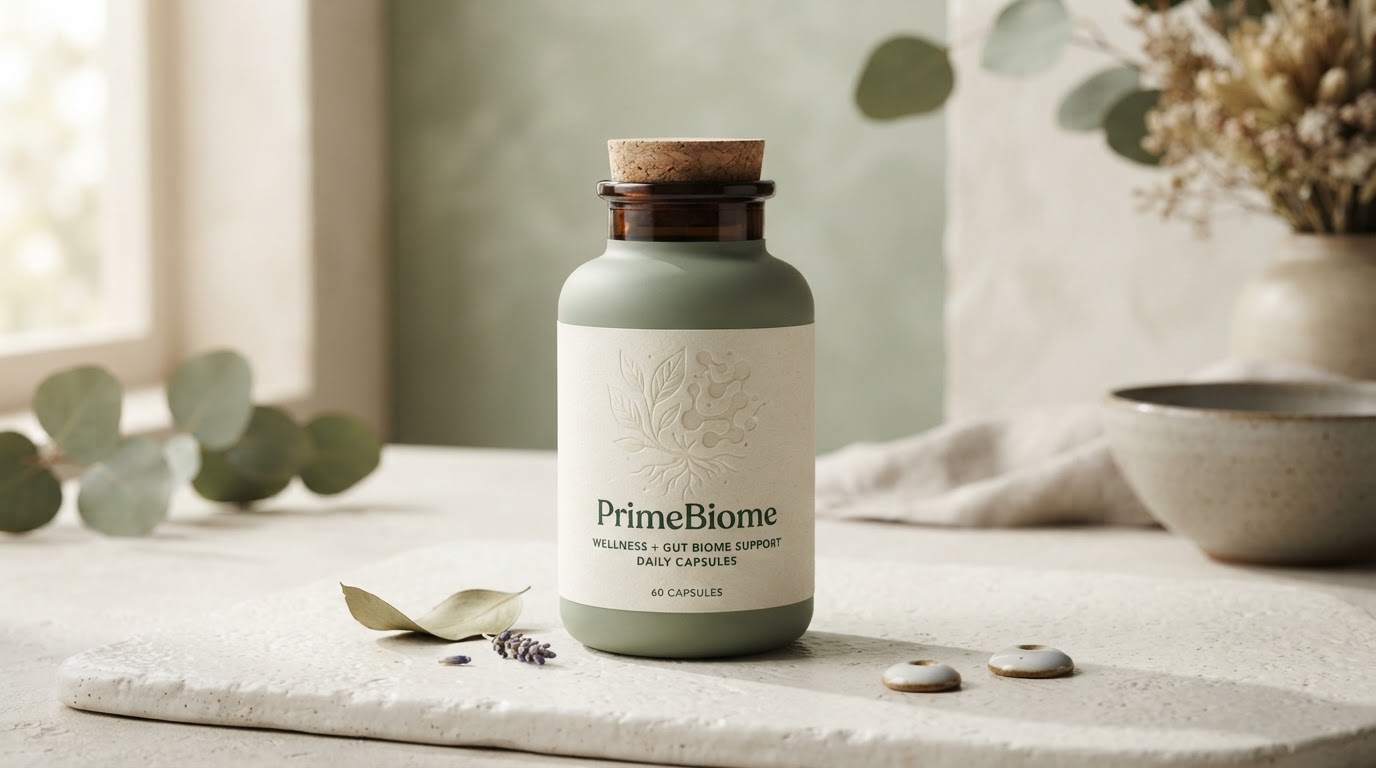
General Wellness
PrimeBiome
An independent look at PrimeBiome, its positioning, intended use, available ingredient information, and key considerations.
Read Our ReviewRelated buying guides
Ready to compare options? These guides break down products in this category using clearly explained criteria.
Affiliate disclosure: Some links on this page are affiliate links. If you purchase through one of these links, we may receive a commission at no additional cost to you. Affiliate relationships do not determine our editorial conclusions.
Health disclaimer: WellnessScopes provides general informational and educational content. This is not intended to diagnose, treat, cure or prevent any disease and should not replace professional medical advice. Consult a qualified healthcare professional regarding individual health concerns, medications or supplements.