Gentle Flexibility Exercises at Home: Building a Comfortable Routine
Explore a practical and approachable guide to gentle flexibility exercises at home. Learn safe routines such as neck and calf stretches, and discover how to ease flexibility training into your weekly schedule for greater comfort and mobility.

Why Flexibility Matters at Home
Regular flexibility exercises can also complement other aspects of a balanced fitness plan, working alongside strength and balance movements. Whether you aim to support general wellbeing or move more comfortably throughout the day, adding flexibility training to your home routine offers practical benefits.
- Flexibility helps with daily activities like reaching and bending.
- Home exercises can be done without special equipment.
- Routine stretching can support overall comfort.
Flexibility training is one component of well-rounded movement routines and can complement activities like walking, strength training, and balance work.
“"Improving flexibility at home may help make daily movements feel easier and less restricted."”
Getting Started with Gentle Flexibility Exercises
Choose a quiet area with enough floor space to move freely and consider using a yoga mat or towel for comfort. Begin gradually and focus on controlled motion rather than forcing a stretch or aiming for a particular range. Consistency is more helpful than intensity, so start with simple routines that feel accessible and achievable for you. Remember, the goal is to gently ease into movement, not to push into pain.
- Select a comfortable and safe exercise space.
- Start with gentle movements, not deep stretches.
- Prioritise regular, short routines over strenuous sessions.
According to the NHS, gentle flexibility exercises at home should be performed within a comfortable range and without pushing into pain.
“"The foundation of flexibility is comfort and consistency, not overstretching or discomfort."”
Essential Safety Tips for Home Flexibility
Stretch within a comfortable range, not to the point of pain or intense discomfort. If you have an ongoing health concern, difficulty moving, or recent injury, consult a healthcare professional for guidance before starting or progressing an exercise routine at home. Remember that gentle consistency—as opposed to aggressive stretching—is more likely to support improved flexibility over time.
- Warm up before stretching.
- Never force uncomfortable movements.
- Stop stretching if you feel pain.
Safety first: Gentle, regular stretching may support flexibility, but should never cause pain. Seek medical advice if you have ongoing injuries or concerns.
“"Gentle movements and self-awareness can help keep your home flexibility routine safe and beneficial."”
A Sample Gentle Flexibility Routine
Neck Rotation: Slowly turn your head to one side (within a comfortable range); hold gently for about five seconds. Return to centre, then repeat on the other side. Do this three times each way.
Neck Stretch: Tilt your head toward your shoulder (bring your ear toward your shoulder without lifting your shoulder); hold gently for five seconds, then return to centre. Repeat three times per side.
Sideways Bend: Stand tall, then slowly bend sideways, reaching one arm over your head. Hold gently for two seconds, return, and repeat three times on each side.
Calf Stretch: Stand facing a wall, one foot forward and one back. Press your back heel into the floor, keeping your knee straight and both feet pointing ahead. Hold for several seconds, then repeat with the other leg. Complete three stretches on each side.
Move slowly and avoid bouncing or forcing stretches. Focus on a calm, steady breath throughout your routine, and aim to perform these exercises at least twice weekly for gradual progress.
- Neck rotation and stretch.
- Sideways bend.
- Calf stretch.
- Repeat each movement gently, within comfort.
This routine is based on NHS recommendations for gentle flexibility at home. Adjust the routine to fit your individual comfort and needs.
“"A simple, regular routine can help maintain or improve flexibility safely at home."”
Neck Stretches: How to Stretch Safely
To perform a neck rotation, sit or stand comfortably with a straight spine. Gently turn your head to look over one shoulder, going only as far as comfortable, and hold for about five seconds. Relax and return to the centre, then repeat on the other side; perform three rotations each way.
For the neck stretch, tilt your head, bringing one ear closer to your shoulder (while keeping the shoulder down). Hold for five seconds without forcing the movement, then return to neutral. Perform this three times per side. If you feel pain or dizziness, stop immediately and return to a neutral position. Neck stretches should always feel gentle and controlled.
- Neck exercises can be done seated or standing.
- Hold each stretch comfortably; do not strain.
- Stop if you feel any pain or dizziness.
Neck stretches are best performed within your own comfortable range. The goal is relief, not intensity.
“"Gentle neck stretches can aid relaxation but should never cause pain or lightheadedness."”
Calf Stretches: Building Lower Body Comfort
For a basic calf stretch, stand facing a wall. Step one foot forward and one back, pressing the back heel into the ground while keeping your leg straight and both feet pointing forward. You should feel a mild stretch in the back leg, not pain. Hold only for several seconds before switching sides, aiming for three stretches per leg.
Keep your back straight and avoid bouncing. This gentle approach reduces the likelihood of overstraining the muscle and helps you maintain control. Build up gradually over time rather than trying to force a larger range of motion in any one session.
- Stand with one foot forward, one back, heels down.
- Keep stretches gentle; do not bounce.
- Switch legs after each stretch.
A gentle calf stretch may help relieve tension after prolonged sitting or standing, especially when done as part of a regular routine.
“"Consistency with gentle calf stretches supports ongoing mobility and lower leg comfort."”
Progressing Your Flexibility Over Time
If you maintain a twice-weekly flexibility routine, you may find movements gradually feel easier or less stiff. However, every body is different, and progression may happen at different rates. Avoid comparing your flexibility with others, as individual mobility varies for many reasons including genetics, age, and past activity levels. Celebrate gradual gains in comfort and movement—even small changes are helpful.
- Progress gradually; comfort comes before range.
- Increases in flexibility happen over time.
- Each person's mobility evolves at their own pace.
Progress with flexibility is personal and should not be rushed. Focus on feeling a bit more comfortable and mobile as weeks go by.
“"Small, steady steps support long-term flexibility more than rapid or forced changes."”
Integrating Flexibility with Strength and Balance
Add gentle flexibility exercises to days when you also do some strength or balance work, such as light home resistance exercises or simple standing balance tasks. This approach addresses different aspects of musculoskeletal health and can make your home exercise routine more comprehensive and enjoyable. For more insights on how movement and recovery work together, see our guide on how exercise and recovery work together.
- Combine flexibility with simple strength and balance tasks.
- A varied routine supports complete mobility.
- Try adding flexibility to different workout days.
A rounded plan supports both comfort and balanced movement skills in daily life.
“"Blending flexibility, strength, and balance routines can make home exercise more effective and sustainable."”
Listening to Your Body and Knowing When to Seek Advice
Homemade routines are intended for general flexibility and movement comfort, not for addressing injuries or ongoing health concerns. Individuals with medical conditions, recent surgery, or mobility limitations should consult a healthcare professional before starting a new exercise program. It’s always appropriate to seek guidance if you are unsure about an exercise or its impact on existing health considerations.
- Pause if stretches feel painful or unsteady.
- Seek professional advice if you have health conditions or injuries.
- Homemade programs are not substitutes for personal medical care.
When in doubt, err on the side of caution and discuss your plans with a relevant health professional, especially if you have a medical history or current injury.
“"Flexibility routines should support comfort. If something doesn’t feel right, stop and check in with a professional."”
Building a Sustainable Home Flexibility Habit
Set achievable goals and celebrate simple milestones such as feeling more comfortable after sitting, or noticing a little extra ease when reaching or turning. Keeping routines varied—by combining neck and calf stretches with other gentle flexibility movements—can also support motivation and long-term practice. Most importantly, adjust your approach as needed, listening to your body and enjoying movement at your own pace and preference.
- Short, regular sessions are more sustainable than occasional long sessions.
- Track simple progress, like comfort after sitting.
- Mix stretches to keep things enjoyable.
Establishing a flexible routine can help build a habit that fits your lifestyle and contributes to feeling more comfortable day to day.
“"Small habits, consistently repeated, often lead to lasting improvements in mobility and comfort at home."”
Products Worth Exploring
Based on this article's topic, these are the wellness products we've reviewed that may be relevant. Each links to our independent review, where you can check product details before deciding.
Fitness & Performance
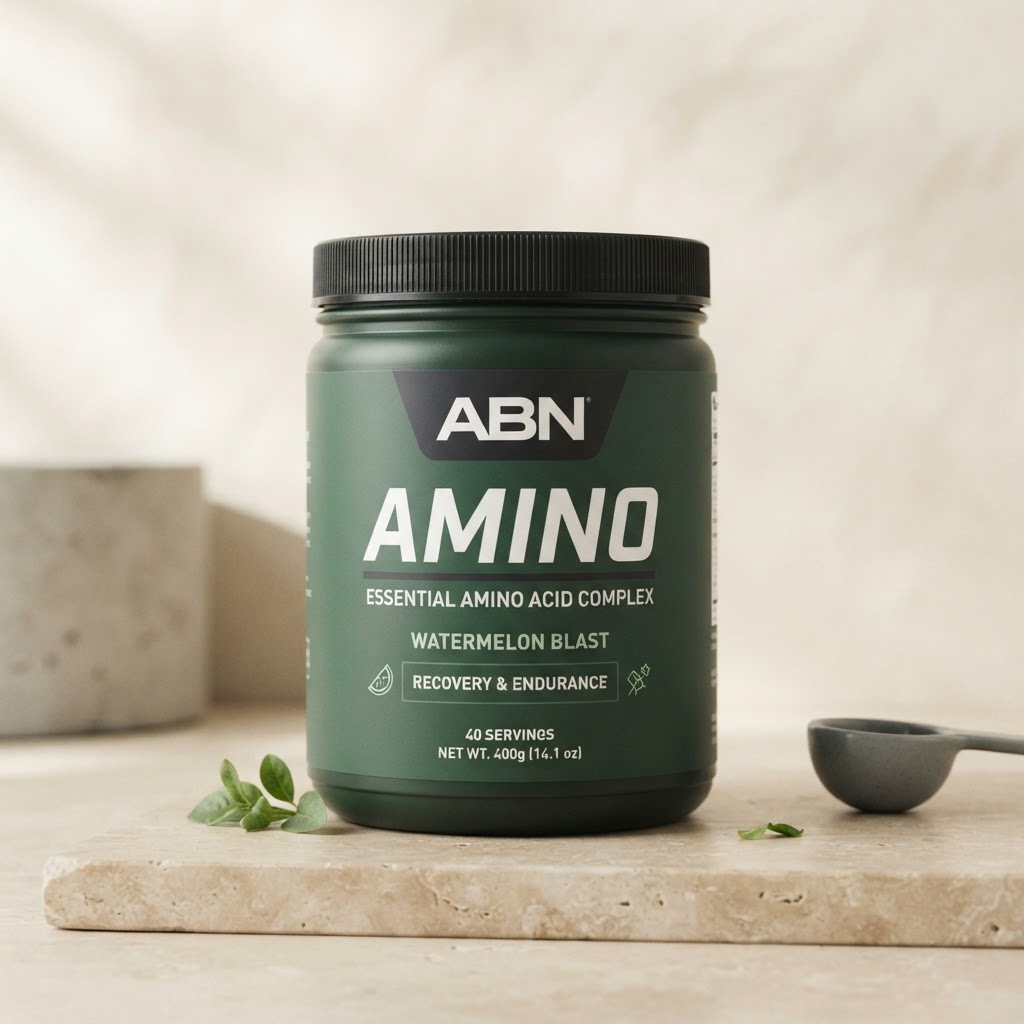
ABN Amino
An independent look at ABN Amino, its product positioning, formula, intended use, and key considerations.
Read Our ReviewRelated buying guides
Ready to compare options? These guides break down products in this category using clearly explained criteria.
Affiliate disclosure: Some links on this page are affiliate links. If you purchase through one of these links, we may receive a commission at no additional cost to you. Affiliate relationships do not determine our editorial conclusions.
Health disclaimer: WellnessScopes provides general informational and educational content. This is not intended to diagnose, treat, cure or prevent any disease and should not replace professional medical advice. Consult a qualified healthcare professional regarding individual health concerns, medications or supplements.